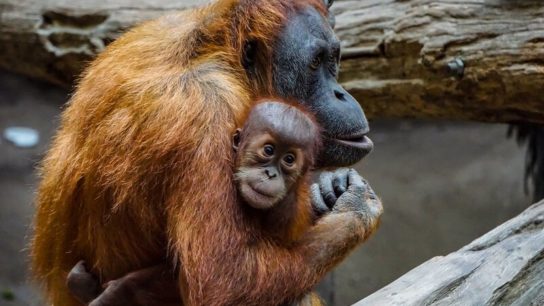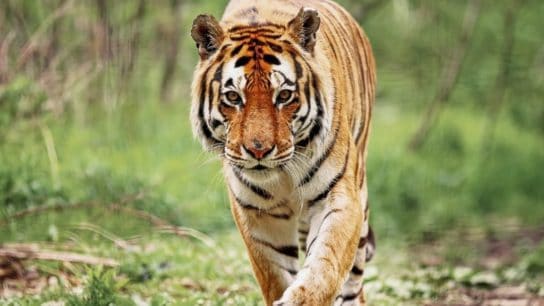

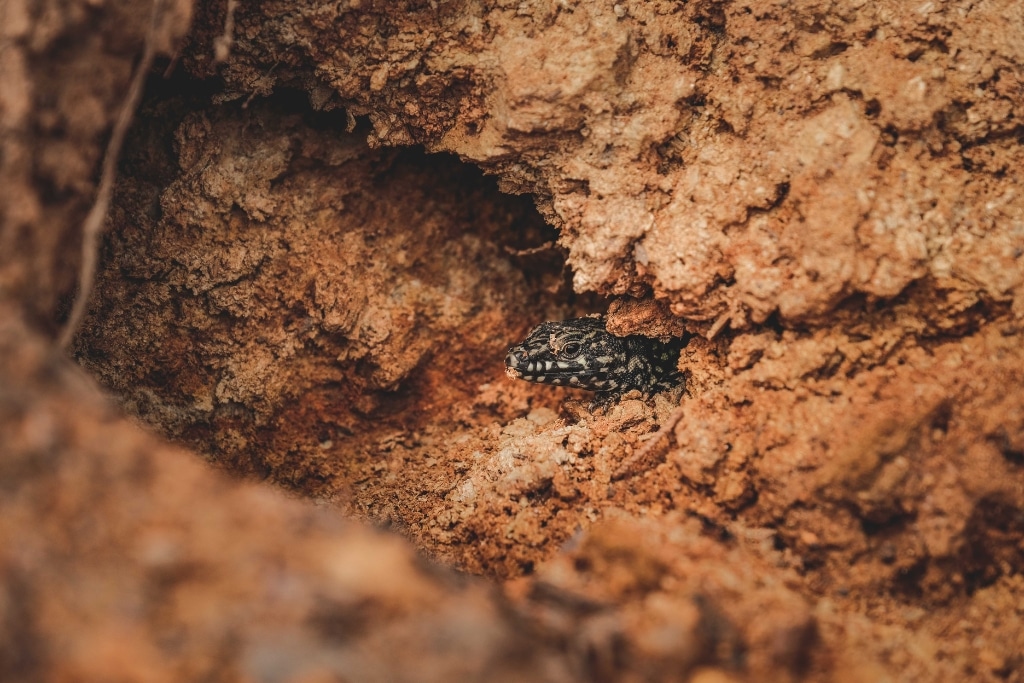
Of 8,653 soil-dependent species, 1,758 are globally threatened and 1,722 data deficient, meaning there is not yet enough information to determine whether the species is globally threatened. 35 speacies are believed to be globally extinct.
—
While the endangered status of species like emperor penguins, fur seals, and pandas tends to make headlines around the world, a much graver extinction threat is emerging in the soil beneath our feet, according to new research led by Conservation International and the International Union for Conservation of Nature (IUCN).
The study, published by Cambridge University Press and bringing together the expertise of 44 scientists, found that one in five studied soil‑dependent species is globally threatened, while many lack enough data to determine the level of their extinction risk. Of the more than 8,500 soil‑dependent species reviewed, over 40% are either threatened or data deficient.
To date, few comprehensive studies have been done on soil-dependent species. “It’s a big, glaring hole in what we know about the world’s biodiversity conservation status,” Neil Cox, lead author of the study, told Earth.Org. “These groups are hugely underrepresented on the IUCN Red List, and in any sort of soil conservation process.” The IUCN Red List of Threatened Species is the primary source of information concerning the global extinction risk of species.
59% of known species are only found in the soil. These include invertebrates, plants, and fungi, which are crucial for agriculture, carbon storage, and various other ecosystem services.

A key first step was to define soil-dependent species. The definition facilitated the identification of 8,653 species, including 503 invertebrate and fungal species.
Of these, the study found that 1,758 (20.3%) are globally threatened (Critically Endangered, Endangered or Vulnerable) and 1,722 (19.9%) species are Data Deficient (not yet enough information to determine whether the species is globally threatened). A further 5,138 soil-dependent species are not globally threatened (Near Threatened or Least Concern), but 35 are believed to be globally Extinct.
Soil-dependent species contribute to multiple ecosystem functions and services, including climate regulation, soil formation and decomposition. Soil plays a crucial role in carbon sequestration; a study released in November found that 27% of carbon emissions needed to keep global warming below 2C can be sequestered in soils in good condition, the equivalent of about 3.38 gigatonnes of CO2 per year.
Cox highlighted decomposition as one of the most easily understood examples of the role that these species play. “When both plant and animal matter are decomposed, it’s the soil fauna and fungi that are undertaking those processes. Often, they have a mutual link with plants. If that process is not going on, there’s no return of nutrients to the soil. It’s critical that we have those soil-dependent species in healthy condition,” he said.
In addition to the direct impact on areas like agriculture, the secondary impact of reduced numbers of soil dependent species can lead to a vicious cycle.
“The obvious [secondary impact] is reduced yield. Depending on the type of agriculture that’s performed there, it might mean that you need to actually increase the amount of fertilizer and various other agrochemicals to produce the same yield. But at the same time, overuse of those chemicals reduces the actual functioning value of the biodiversity in the soil,” Cox told Earth.Org. “And as soon as you impact what’s actually happening in the soil, it impacts the soil chemistry, and any sort of runoff. So there is an impact on the whole environment from changing the biological processes in the soil.”
The greatest risk, according to him, is where agriculture is more intensive, in developed countries such as those in Western Europe and North America.
The study’s authors concluded that there is an urgent necessity to establish a soil task force. At the same time, they said, it is important to create greater connections between the conservation community and the agricultural sort of community. “A lot of farmers recognise that soil fertility and the nutrient cycle is dependent on soil biodiversity,” Cox said.
The study’s final recommendation is to increase the transfer of knowledge to governments, landholders and the public regarding the fundamental global importance of the conservation of soil biodiversity, with the Red List serving as a baseline and reference.
This story is funded by readers like you
Our non-profit newsroom provides climate coverage free of charge and advertising. Your one-off or monthly donations play a crucial role in supporting our operations, expanding our reach, and maintaining our editorial independence.
About EO | Mission Statement | Impact & Reach | Write for us