



Heatwaves are the deadliest type of natural hazards, but their impact on human lives and the environment is both underestimated and underreported. Climate change, caused by greenhouse gases from burning fossil fuels, is poised to make heatwaves longer, more intense, and more frequent.
—
Additional reporting: Martina Igini
A heatwave is a prolonged period of extremely hot weather, both during the day and at night. While extreme heat may not appear as visually striking as hurricanes or floods, its impacts are huge. This dangerous natural event can have widespread social, environmental, and economic repercussions as well as severely compromise human health and well-being, particularly among the most vulnerable groups of society, such as kids and the elderly, women, and those living in informal settlements.
Stress on human bodies caused by heat prevents normal daily activities and our ability to cool down properly. Areas that generally have more humidity can also put lives at risk. Sweat helps our bodies cool off, but humidity changes the way sweat evaporates from the body. Not being able to cool down puts people’s health at risk, and can lead to increased cardiovascular and respiratory complications, dehydration, heatstroke, higher blood pressure, and sleep deprivation.

Excessively hot and humid conditions can be deadly, as they affect humans’ thermoregulation, the process that maintains a steady internal body temperature – ideally between 36.5 to 37.5C – despite changes in external conditions. In other words, when the threshold – a theoretical upper limit of the human body’s adaptability to extreme heat, which scientists set at 35C – is breached, sweating will not be enough to cool off the body. A study published in 2021 showed that approximately 489,000 heat-related deaths occurred globally each year between 2000 and 2019.
More on the topic: Why Is Extreme Heat So Deadly?
In the US, heatwaves have been by far the most lethal weather event over the past three decades. Elsewhere in the world, extreme heat has resulted in countless deaths, too. A study showed that in Europe alone, over 60,000 people died from heat-related stress during the 2022 summer. In the continent – which is the fastest-warming in the world – heat-related mortality has increased by around 30% in the past two decades, while heat-related deaths are estimated to have increased in 94% of the European regions monitored.
In the summer of 2024, heat killed dozens of people in Southeast Asian countries including Thailand and parts of the US, while in Mecca, Saudi Arabia, more than 1,300 pilgrims lost their lives to extreme heat during the annual Hajj.
In addition to human health and well-being, heatwaves also have a significant impact on public safety, infrastructure, and the natural environment.
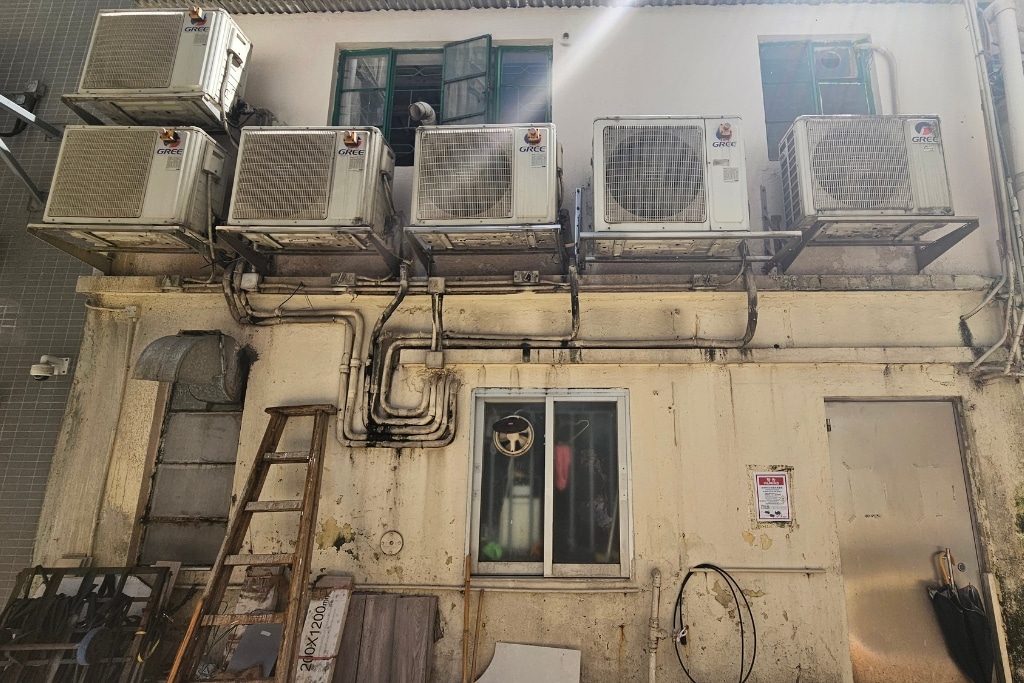
Hot extremes have grown more intense in urban areas, exacerbating air pollution. Indeed, elevated temperatures lead to increased usage of air conditioning systems in buildings and cars, which in turn results in higher emissions and air pollution. Additionally, heatwaves can negatively impact the performance of essential infrastructures by affecting the materials used in their construction. For example, when combined with increased rainfall, extreme temperatures can accelerate the corrosion of metals and the deterioration of brick and stone materials, which, in turn, can weaken the steel structure embedded within a building’s concrete exterior.
What Causes Heatwaves?
Heatwaves typically originate from the presence of a high-pressure system, also known as an anticyclone. This atmospheric condition causes the air above a region to accumulate and compress, resulting in increased temperature and reduced moisture content. The sinking air acts as a heat dome, trapping the absorbed heat within the landscape. Simultaneously, the high-pressure system displaces cooler air and disperses clouds, allowing uninterrupted sunlight to reach the ground. As a result, the air near the ground continues to be heated persistently until it surpasses the average temperature.
The presence of moisture in the ground can mitigate the impact of heat, much like how sweating cools the body through evaporation. However, when ground, waterways, and vegetation retain limited water, their capacity to absorb the heat is significantly reduced, leaving the air as the primary medium for heat retention.
How Does Climate Change Intensify Heatwaves?
The past 11 years were the warmest ever recorded. 2026 and 2027 are poised to be among the top five hottest years, owing to the development of El Niño conditions. This increase in extreme heat is a direct result of human-made climate change. As greenhouse gas emissions trap more heat in the atmosphere, heatwaves – the deadliest type of extreme weather event – get longer and hotter.
Attribution studies, which investigate the relationship between a particular extreme weather event and global warming as a result of human action, repeatedly find that climate change is making heatwaves more frequent and intense. That was the case for a recent heatwave in Australia, which was about 1.6C hotter because of climate change, as well as a heatwave in Europe’s Nordic countries last year, which was made at least 10 times more likely by human-made climate change. In India and other Southeast Asian countries, baking hot temperatures are becoming the norm as a consequence of the planet heating up.
As Vikki Thompson, Climate Scientist at the University of Bristol’s Cabot Institute, explains: “Climate change is making heatwaves hotter and last longer around the world. Scientists have shown that many specific heatwaves are more intense because of human-induced climate change. The climate change signal is even detectable in the number of deaths attributed to heatwaves.”

This explanation aligns with the Sixth Assessment Report of the Intergovernmental Panel on Climate Change, which suggests that human-caused climate change has increased the frequency and intensity of heatwaves since the 1950s and will continue to do so as the planet keeps warming.
Featured image: Wikimedia Commons.
This article was originally published on July 27, 2024.
💡How to stay safe in extreme heat
- 💧Stay hydrated: Drink around two liters of water per day, or about eight glasses. In heat conditions, experts recommend drinking throughout the day and urinating around six to seven times a day, or every two to three hours.
- 🍉Eat nutritious food: Stick to hydrating, fresh food such as watermelon, peaches, berries, grapes, and oranges, vegetables that can be juiced, as well as liquid meals such as soups. Avoid spicy foods, known to make the body sweat. Avoid cooking at home, and opt for the microwave instead of the oven if you have to.
- 💦Exercise responsibly: If you exercise outdoors, take breaks in the shade or indoors to allow your body to cool down faster. Wear sensible attire, such as lightweight, loose-fitting clothing made of breathable fabrics, such as cotton, linen, bamboo, polyester, nylon and microfiber. Hydrate well before a workout and drinking throughout every 15-20 minutes, especially when the physical activity lasts longer than an hour.
- 🌡️Follow local weather services: Check local meteorological services or news channels regularly, as they provide real-time updates and alerts about heat advisories and warnings. Local governments and emergency management agencies often post timely updates on social media platforms as well so keep them monitored.
- 📱Use weather apps: Download reputable weather apps that provide notifications about extreme heat conditions. Many of these apps allow users to set alerts for specific weather events in their area.
- ❗Sign up for emergency alerts: Many cities have rolled out local emergency notification systems or community alert programs that citizens can easily enroll in. These services often send text or email alerts directly to residents during extreme weather events, including heatwaves.
For more tips, check out our article on this topic. To learn more about the risks of extreme heat and how the world is adapting, you can read our 3-part series on extreme heat.
This story is funded by readers like you
Our non-profit newsroom provides climate coverage free of charge and advertising. Your one-off or monthly donations play a crucial role in supporting our operations, expanding our reach, and maintaining our editorial independence.
About EO | Mission Statement | Impact & Reach | Write for us