


Rising temperatures and escalating extreme weather events are increasingly threatening individual events and athletes worldwide.
—
Elite athletes are backing a global multimedia campaign urging leaders at next month’s COP30 to invest in climate adaptation as climate change increasingly disrupts sports events.
Launched Monday with backing from the likes of the Gates Foundation, Global Citizen and the Global Center on Adaptation, Adapt2Win shines a light on how climate change is affecting sports worldwide.
40 athletes from around the world, including Nigerian track and field athlete Adaobi Tabugbo, American professional basketball player Breanna Stewart, South African rugby player Bongi Mbonambi, and British footballers Keira Walsh and Raheem Sterling, have backed the campaign.
“As athletes, we train to adapt—to overcome challenges, tough conditions, and unexpected setbacks. But no training can prepare communities for the scale of extreme heat, storms, and droughts we’re facing,” some athletes wrote on social media.
The campaign is calling on world leaders, who will reunite in Belém, Brazil next month for the year’s most important climate summit, to “close the adaptation finance gap.”
“This can either be the worst defeat in history or the greatest comeback of all time,” the website reads.
More on COP30 from Earth.Org (click to view)
News
- Did COP30 Succeed or Fail?
- COP30 Week 2: Recap
- COP30 Week 1: Recap
- Reactions Pour in After Weak COP30 Agreement
- No Mention of Planet-Warming Fossil Fuels in COP30 Agreement
- Misinformation Becomes a Political Weapon Over Fire at COP30
- Business Coalition at COP30 Urges Transition Away From Fossil Fuels
- 83 Countries Join Call to End Fossil Fuels at COP30
- ‘People’s COP’ Marked By Civil Society Protests and Direct Action Events
- American States, Institutions Scramble to Fill Gap Left by US Absence at COP30
- Disability Activists Seek Official Recognition at COP30
- Brazilian Government Announces Ordinances to Recognize 10 Indigenous Lands
- Six Countries Pledge $58.5 Million to Adaptation Fund As UN Warns of $310 Billion Deficit
- Pope Leo Upholds Environmental Legacy of ‘Green’ Pope Francis, Urging Concrete Action on Climate at COP30
- Brazil to Demarcate Indigenous Territories Following Munduruku Protest at COP30
- COP30 Launches Global Declaration to Combat Climate Misinformation, Fake News
- Brazilian Government Seeks to Advance Discussion on Ending Fossil Fuels at COP30
- COP30: Fossil Fuel Lobbyists Outnumber Every Country Delegation Except Brazil
- COP30: Brazilian Government Puts Owners of the World’s Largest Beef Producer on ‘VIP List’
- Despite Record Turnout, Only 14% of Indigenous Brazilians Are Expected to Access Decision-Making Spaces at COP30
- Countries’ Climate Pledges Put World on Track for 12% Reduction in Emissions, UN Says
- Current National Climate Pledges Fall Far Short of What Is Needed to Limit Warming to 1.5C, Report Shows
Explainers
- COP30 Glossary: What You Need to Know About This Year’s UN Climate Summit in Brazil
- COP30 Volunteers Make World’s Biggest Climate Event Possible
- Navigating COP: A Deep Dive into the UN Climate Conference Process
- Oceans at COP30: Moving Beyond Pledges to Build an Architecture for Change
- Climate Adaptation at COP30: What to Expect
- Climate Finance at COP30: What to Expect
- Explainer: Why Gender Will Be High on the Agenda at COP30
- COP30 Volunteers Make World’s Biggest Climate Event Possible
- COP30 Youth ‘Go Bananas’ for Nuclear
Opinion
- Why COP30’s Success Depends on Comprehensive Food System Action
- Why COP30 Needs Indigenous Voices
- At COP30, Wealthy Nations Must Close the Adaptation Gap – My Home of Bangladesh Depends on It
Pre-COP30
- US Will Not Send High-Level Representatives to COP30, White House Says
- EU Agrees on Weakened Emissions Reduction Target Ahead of COP30
- 40 Elite Athletes Call for Urgent Adaptation Finance at COP30 Amid Climate Threat
- UN Climate Chief Urges Countries to Step Up Climate Action, Finance Ahead of COP30
- COP30 Host Brazil Calls For Bold National Emissions Reduction Plans Ahead of September Deadline
- COP30 Presidency Calls For Initiatives to Promote Information Integrity Amid Rampant Climate Disinformation
- Local Leaders to Tackle Climate Issues in Brazil Prior to COP30
- UN Climate Chief Says Energy Transition ‘Unstoppable’ Despite US Exit From Paris Accord, Urges Countries to Deliver on Climate Finance at COP30
While adaptation finance has increased in recent years, it still represents less than 10% of global climate investments. Most of these investments go instead to mitigation initiatives, such as efforts to reduce greenhouse gas emissions, which are warming up our planet.
“Adapt2Win reminds us that every sector, from governments to business to sports, has a role to play in creating change,” Ana Toni, CEO of the COP30 Presidency, said.
Climate Change Increasingly Disrupting Sports
As global temperatures continue to rise and extreme weather events become more frequent and intense, the sporting world faces an array of challenges that threaten individual events and athletes but also the very future of the industry.
Just last month, extreme heat disrupted the Athletics World Championships in Tokyo, with the Organising Committee forced to move up some races’ start times on the first three days of the championships to ensure athletes’ safety. Meanwhile in China, the world’s top tennis athletes competing in the Shanghai Masters described the baking weather as “very challenging physically”.
Other major events worldwide, like last year’s Paris Olympics, now face higher risk of cancellations, delays and adjustments brought about by extreme, unpredictable weather.
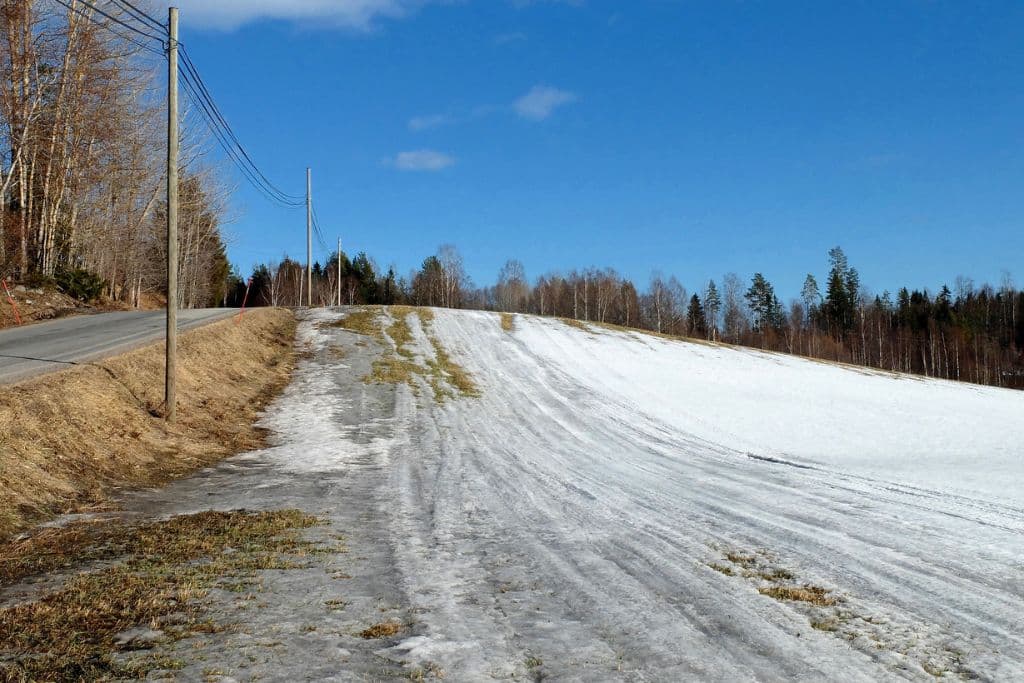
As global temperatures rise, the Winter Olympics are also affected with unreliable snowfall and shorter winters, which make outdoor competition harder than ever. This is drastically reducing the possible locations for the Games, with the International Olympic Committee (IOC) warning that only 10 countries will still have the right climate to host by 2040.
406 Olympians from 89 countries and more than 50 different sports signed an open letter last year asking the IOC to ensure the Games remain viable for future generations by making the care of our planet their number one priority.

Venues are also under threat from weather-related climate risks.
A recent report warned that 14 of the 16 World Cup venues are already exceeding “safe-play thresholds” for extreme heat, unplayable rainfall, and flooding. By mid-century, nearly 90% of host stadiums will face unsafe extreme heat conditions and 11 stadiums will experience unplayable heat.
The “safe-play” benchmark for extreme heat is 35C (95F), which represents the limit of human adaptability to extreme heat. Once this threshold is reached, the body’s natural cooling system begins to fail, heightening the risk of heatstroke and dehydration, both for players and spectators.
According to the report, several of the 2026 World Cup locations are already recording temperatures at or above this threshold.
Featured image: Wikimedia Commons.
More on the topic: How Climate Change Is Affecting Professional Sports Worldwide
This story is funded by readers like you
Our non-profit newsroom provides climate coverage free of charge and advertising. Your one-off or monthly donations play a crucial role in supporting our operations, expanding our reach, and maintaining our editorial independence.
About EO | Mission Statement | Impact & Reach | Write for us