
“Instead of discarding stock, companies are encouraged to manage their stock more effectively, handle returns, and explore alternatives such as resale, remanufacturing, donations, or reuse,” the European Commission said of the new rule.
—
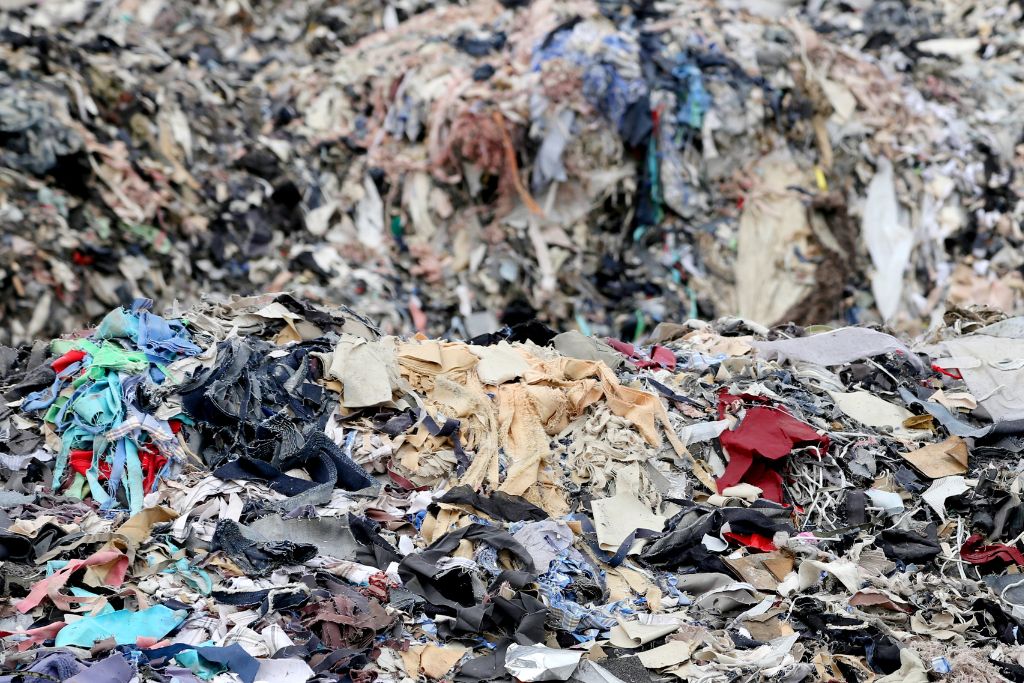
The European Union has banned the destruction of unsold clothes, a move aimed at tackling overproduction and making the fashion industry more sustainable.
On Monday, the European Commission introduced new rules prohibiting companies from destroying unsold textiles and footwear. The measures are part of the Ecodesign for Sustainable Products Regulation (ESPR), which entered into force in July 2024. As the cornerstone of the EU’s transition toward a circular economy, the regulation focuses on enhancing product durability, reusability, reparability, and resource efficiency. The ESPR covers almost all physical goods placed on the EU market, with the exception of food, feed and medicinal products.
The new measures aim to support businesses in complying with the requirements regarding the destruction of unsold textiles under the ESPR. Besides clarifying under which circumstances the destruction will be permitted – for instance, due to safety reasons or product damage – they also introduce a standardized format for businesses to disclose the volumes of unsold consumer goods they discard.
The measures mark a strategic opportunity for companies to rethink their production and supply chains. “Instead of discarding stock, companies are encouraged to manage their stock more effectively, handle returns, and explore alternatives such as resale, remanufacturing, donations, or reuse,” the European Commission said.
Every year in Europe, an estimated 4-9% of unsold textiles are destroyed before ever being worn, according to EU figures. This waste generates some 5.6 million tons of CO2 emissions – nearly the same as Sweden’s net emissions in 2021.
Globally, 92 million tonnes of textiles end up in landfills every year. To put things in perspective, this means that the equivalent of a rubbish truck full of clothes ends up on landfill sites every second. If the trend continues, the number of fast fashion waste is expected to soar up to 134 million tonnes a year by the end of the decade.
“The textile sector is leading the way in the transition to sustainability, but there are still challenges. The numbers on waste show the need to act,” said Jessika Roswall, Commissioner for Environment, Water Resilience and a Competitive Circular Economy. “With these new measures, the textile sector will be empowered to move towards sustainable and circular practices, and we can boost our competitiveness and reduce our dependencies.”
More on the topic: The Environmental Impact of Fast Fashion, Explained
This story is funded by readers like you
Our non-profit newsroom provides climate coverage free of charge and advertising. Your one-off or monthly donations play a crucial role in supporting our operations, expanding our reach, and maintaining our editorial independence.
About EO | Mission Statement | Impact & Reach | Write for us