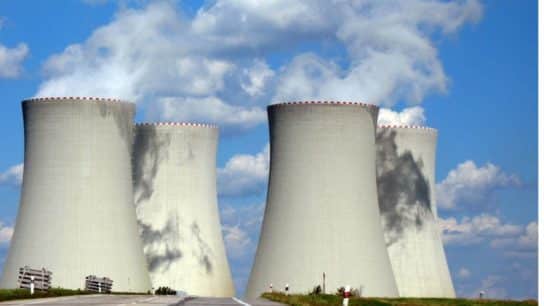


In the aftermath of one of the world’s most severe nuclear disasters 15 years ago, Japan shut down all 54 of its operational nuclear reactors in the country. But energy security concerns and a decarbonization target have led the government to restart operations at 15 nuclear plants, with at least 10 more currently waiting for restart approval.
—
In Japan, 2011 is defined by the “Triple Disaster” of March 11, as the nation was hit by a powerful earthquake, followed by a tsunami and a nuclear disaster at the Fukushima Daiichi Nuclear Power Plant in the town of Ōkuma. The Tohoku earthquake – known as the Great East Japan earthquake – was the most powerful earthquake ever recorded in Japan and triggered a catastrophe with widespread, long-term impacts on the nation’s safety and economy.
Devastating to Japanese people and marking its place in modern Japanese history, this event was also fatal to Japan’s energy security.
Japan’s Adoption of Nuclear Energy
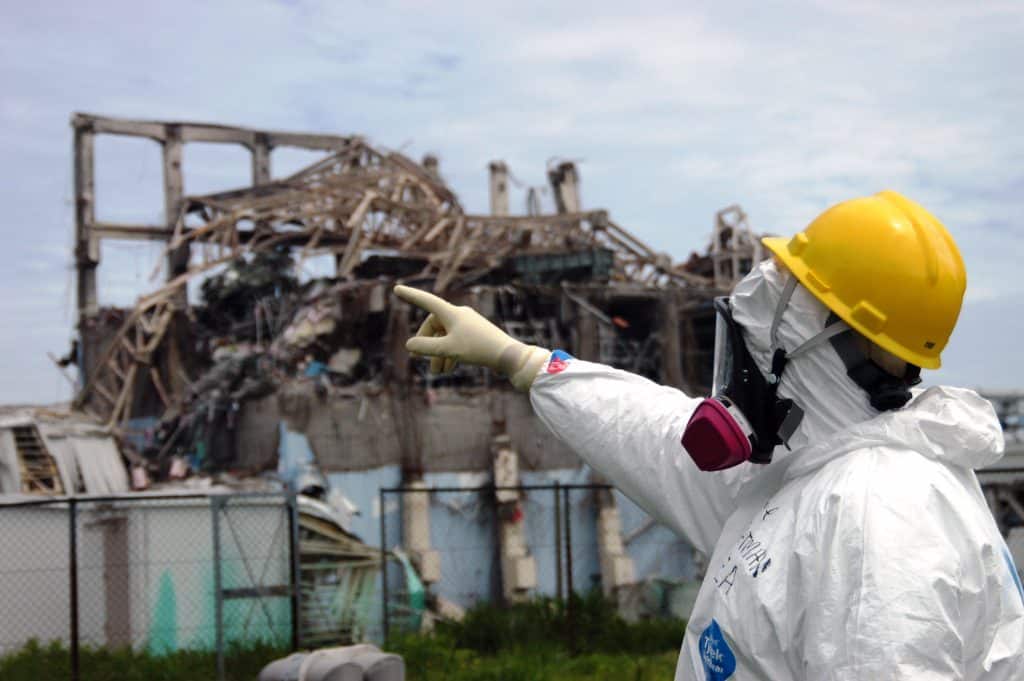
Prior to 2011, nuclear energy played a central role in Japan’s electricity system, supplying roughly a third of the nation’s power and forming a cornerstone of its strategy to reduce dependence on imported fuels. At its peak, Japan operated 54 nuclear reactors across 16 sites, which together produced close to 30% of the country’s electricity, making Japan the third-largest producer of nuclear power in the world at the time, behind the United States and France.
This large nuclear fleet was not an environmental or technological choice; it was the result of decades of deliberate energy policy. Japan has extremely limited domestic reserves of oil, natural gas, or coal, meaning it imports the vast majority of the fuels it consumes. While nuclear energy supplied about 27% of grid power in pre-2011 Japan, fossil fuels made up most of the remainder – liquefied natural gas (LNG) accounted for about 27%, coal around 26%, and oil roughly 8%, while renewables contributed about 12% with hydropower accounting for most of it.
Nuclear power was therefore treated by policymakers as a “quasi-domestic” energy source: once uranium fuel was secured, reactors could generate electricity for long periods without the constant fuel imports required by thermal power plants. As a result, successive national energy plans promoted reactor construction beginning in the 1970s, particularly after the oil shocks during that decade revealed the vulnerability of Japan’s economy to disruptions in global fuel markets.
By the late 2000s, the strategy appeared to be succeeding. Nuclear energy had become a stable source of baseload electricity for Japan’s industrial economy, supplying around 26-30% of national electricity generation and reducing reliance on imported fossil fuels. Policymakers were planning to expand the nuclear share further, targeting around 40% of electricity generation by 2017, as part of a broader effort to strengthen energy security and limit carbon emissions.
The Day It All Changed
That trajectory changed abruptly in March 2011 with the accident at the Fukushima Daiichi Nuclear Power Plant, triggered by the massive earthquake and tsunami. The disaster caused multiple reactor meltdowns, forced the evacuation of more than 100,000 residents, and fundamentally altered public trust in nuclear power. In the months that followed, Japan progressively shut down its entire nuclear fleet for safety inspections and regulatory review.
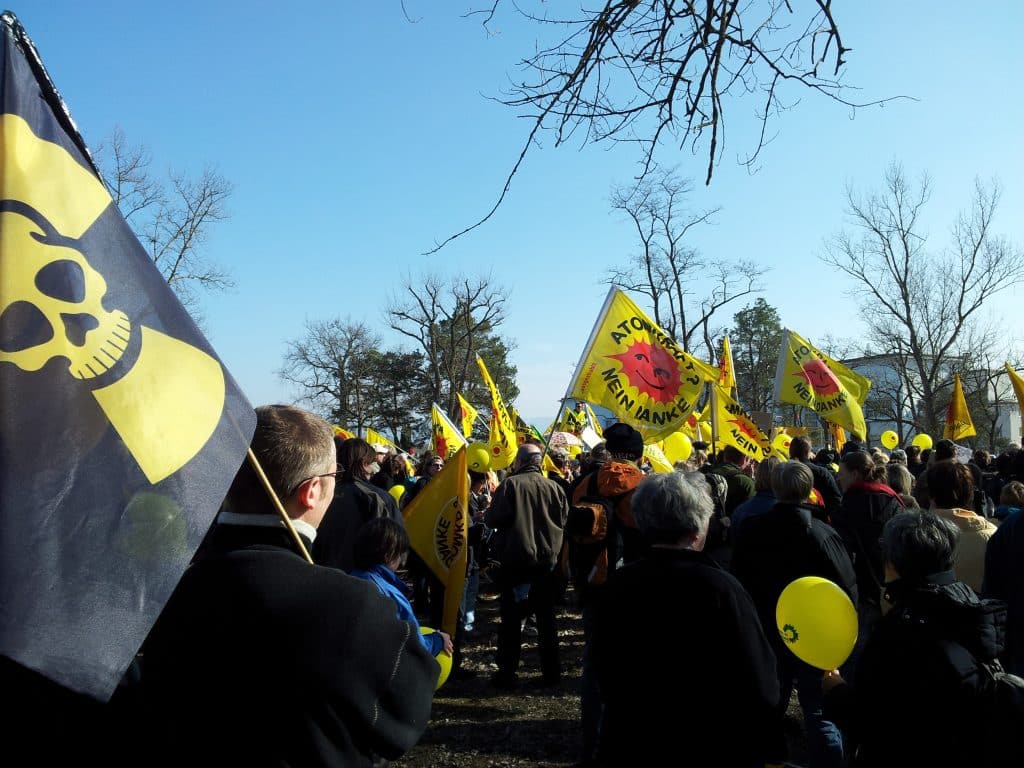
The shutdown produced one of the most dramatic energy transitions ever experienced by an advanced economy. Nuclear generation, previously a pillar of the electricity system, fell rapidly, eventually reaching zero in 2014 when the last reactors went offline. To compensate for the sudden loss of nearly a third of its electricity supply, Japan turned heavily toward thermal generation, particularly liquefied natural gas, coal, and oil-fired power plants. This shift significantly increased fossil fuel imports, raised electricity costs, and pushed national greenhouse gas emissions upward during the early and mid-2010s.
In response to the accident, Japan also overhauled its regulatory framework. A new independent regulator, the Nuclear Regulation Authority (NRA), introduced some of the strictest nuclear safety standards in the world, requiring plants to install extensive countermeasures against earthquakes, tsunamis, and power failures before they could restart. These requirements, combined with strong local opposition and legal challenges, meant that the return of nuclear power happened far more slowly than the government initially expected.
Since the disaster, Japan’s nuclear plant revival has proceeded selectively under stringent oversight from the NRA. The Sendai Nuclear Power Plant was the first to resume operations in 2015. It is one of 15 out of the 33 operable reactors to have gradually resumed operations following extensive safety upgrades, legal challenges, and local approvals. 10 reactors are currently in the process of restart approval.
Japan’s grid mix has been reshaped compared to what it was before the event. Between the early 2020s and now, natural gas has risen to roughly 34% of energy generation and coal to about 32%, while nuclear and oil contribute some 8% and 4%, respectively. The rest is filled by renewables, with a commendable recent growth in solar energy, which now represents around 10% of the nation’s power generation.
Building Energy Security Once More
In a significant and strategic move, Japan recently restarted Unit 6 at the Kashiwazaki-Kariwa Nuclear Power Plant, the world’s largest nuclear power station. The reactor, operated by the Tokyo Electric Power Company (TEPCO), had been shut down since the Fukushima nuclear disaster along with the rest of Japan’s nuclear fleet. After years of safety upgrades, regulatory reviews, and local political approvals, the reactor was finally restarted on 21 January, TEPCO’s first reactor restart in 15 years. An alarm and a technical issue related to the reactor’s control-rod system were detected during commissioning tests shortly after, prompting operators to temporarily halt the startup sequence while investigations were conducted.
Officials confirmed that the reactor remained stable and there was no safety risk. After checks and adjustments, the restart process resumed in early February, with the plant gradually ramping up power generation. Full commercial operation was initially expected in March, though additional inspections and a minor equipment issue have slightly delayed the timeline as TEPCO verifies system integrity before bringing the reactor to full output.
Over the past decade, the national debate has gradually shifted again. Nuclear energy, which temporarily fell to zero generation in 2014, has only gradually returned as reactors restart. Rising energy costs, continued dependence on imported fuels, and growing pressure to meet climate targets have led policymakers to reconsider nuclear power’s role in the energy mix.
While nuclear energy is unlikely to regain the level of dominance it held prior to 2011, it is expected to recover slightly under the current national energy strategy, with the government targeting around 20-22% of electricity generation from nuclear by 2030, alongside a necessary expansion of renewables, with plans to increase battery storage and elevate solar capacity from 79 GW to 108 GW. Supported by new regulations permitting projects in Japan’s exclusive economic zone, the country is also accelerating offshore wind development by almost ten-fold from just 0.14 GW to 10 GW by 2030.
In a sense, the recent restart of reactors does not represent a simple return to the pre-Fukushima era. Instead, it reflects a cautious attempt to reintroduce nuclear power as one component of Japan’s broader effort to balance energy security, economic stability, and decarbonization in a country with limited domestic energy resources.
More on the topic: The Advantages and Disadvantages of Nuclear Energy
This story is funded by readers like you
Our non-profit newsroom provides climate coverage free of charge and advertising. Your one-off or monthly donations play a crucial role in supporting our operations, expanding our reach, and maintaining our editorial independence.
About EO | Mission Statement | Impact & Reach | Write for us