


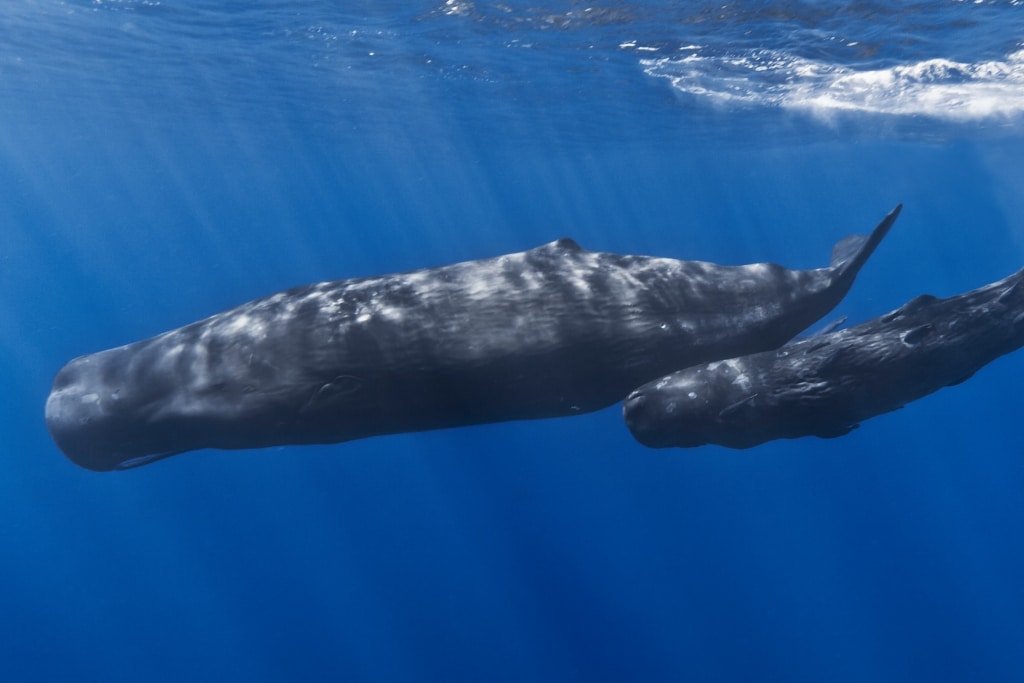
Legislation recognizing the legal personhood and inherent rights of whales has been introduced in the New Zealand Parliament. If enacted, it could mark a major milestone in the global fight for whale conservation.
—
On February 5, Green Party MP Teanau Tuiono introduced the Tohorā Oranga Bill (Whale Health Bill) in the House of Representatives of the New Zealand Parliament. The proposed legislation advances an ecocentric legal framework aimed at strengthening the protection of whales inhabiting the Pacific Ocean surrounding New Zealand. These include baleen whales, sperm whales, beaked whales, orca, and pilot whales.

If passed, the bill would recognize whales as more than just objects of law and endow them with inherent rights, shifting their status from exploitable natural resources and legal objects to right-bearing entities. With 22% of whales and other indigenous marine mammals in New Zealand threatened with extinction, the legislation could pave the way for stronger protections against destructive fishing practices, pollution, and other human activities.
Recognizing the Fundamental Importance of Whales
At its core, the bill advances the principle that whales possess intrinsic value independent of their economic or scientific utility. It acknowledges their essential role in maintaining the health and balance of the Pacific ecosystem.

To reflect this perspective, the bill outlines a set of rights, framed as “fundamental principles,” that should be granted to whales. These include a right to freedom of movement and migration; the right to a healthy environment, allowing their species to thrive in their natural and unspoiled habitat; the right to restoration and regeneration of habitats and ecosystems, should they be tampered with; and the protection of their natural behavior and their social and cultural structures.
Translating the Law into Practice
To ensure practical impact, the bill imposes specific obligations on decision-makers exercising powers or duties that affect whales and their natural environment. In particular, it requires authorities to undertake a careful balancing exercise between the broader public interest in a proposed project or decision and the best interests of whales whenever their habitats or well-being may be affected.
Although discretion remains with decision-makers, they must document this legal assessment in their final determinations to reflect the transparency and accountability of their decision-making process. In practice, this framework would provide for a robust legal foundation for whale protection, ensuring their rights are at the very least considered in activities such as fishing, shipping, seabed mining, and coastal development.
A Culmination of Indigenous Advocacy for Ocean Protection
The bill represents the culmination of longstanding whale conservation efforts led by Pacific Indigenous peoples. In 2024, Polynesian Indigenous leaders joined forces in signing the He Whakaputanga Moana Declaration (Declaration for the Ocean). While not legally binding, the declaration has provided both inspiration and substance to further legal developments across Polynesian nations to develop stronger protection frameworks for whales.
As described in the bill’s explanatory memorandum, whales are deeply embedded in the identities and traditions of many Indigenous communities across the Pacific. They are regarded not merely as marine mammals but as sentient beings and ancestors central to Indigenous knowledge, histories, and spiritual worldviews.

Advocating for their protection, the iwi Ngāti Wai (the Māori tribe of the east coast of the Northland Region of New Zealand) and the Hinemoana Halo Ocean Fund played a significant role in drafting the bill. The latter, an Indigenous-led movement, seeks to create “a woven cloak of protection for our taonga, our treasures—the magnificent whales.”
A Crucial Development in Whale Conservation
If enacted, the bill would become the first legally binding instrument in the Pacific to grant whales legal personhood and inherent rights. Its passage would represent a significant advancement in marine conservation, especially given that New Zealand is a global hotspot for marine mammals, home to nearly half of the world’s cetacean species.
As whale populations continue to decline due to fishing, pollution, ship strikes, and climate change, initiatives such as the Tohorā Oranga Bill signal an important step forward. They also demonstrate how Indigenous knowledge can shape innovative legal responses to the challenges of the Anthropocene.The bill will now enter the parliamentary ballot system and will be debated if selected. Although its passage remains uncertain, advocates argue that its introduction alone marks a transformative shift in ocean governance.
Featured image: Wikimedia Commons.
This story is funded by readers like you
Our non-profit newsroom provides climate coverage free of charge and advertising. Your one-off or monthly donations play a crucial role in supporting our operations, expanding our reach, and maintaining our editorial independence.
About EO | Mission Statement | Impact & Reach | Write for us