

Recognizing fungi as essential to biodiversity and nature’s contributions to people.
—
By Jaida Faith
When we talk about nature, we tend to focus on flora and fauna – plants and animals. But there is a third, unsung kingdom of life that many often forget: fungi.
Fungi are crucial to the health of our ecosystems, culturally significant to many communities, and offer potential for addressing environmental crises such as climate change, biodiversity loss, and pollution. Yet, they represent only 2% of global conservation priorities, virtually left out of the conversation on environmental protection.
The Fungi Foundation, founded by Mycologist Giuliana Furci, is working to gather support for fungi to be recognized as an independent kingdom of life in international legislation, policies, and agreements at the upcoming Convention on Biological Diversity (CBD) Conference of the Parties – COP17 – this fall.
Why Should We Care About Fungi?

Fungi – of which only 10% of which have been discovered – exist in interdependence with the flora and fauna. Nearly 90% of all known plant species form symbiotic relationships with fungi. Through subterranean mycorrhizal networks, trees exchange nutrients such as carbon, water, and sugar – and pass some 13 billion metric tons of CO2 onto fungi each year – equivalent to around 36% of all annual global fossil fuel emissions. Mycoremediation, the use of mushrooms such as Pleurotus ostreatus to decontaminate ecosystems, offers solutions for cleaning up oil spills and plastic pollution. Ensuring fungi’s conservation can support the protection of nature as a whole.
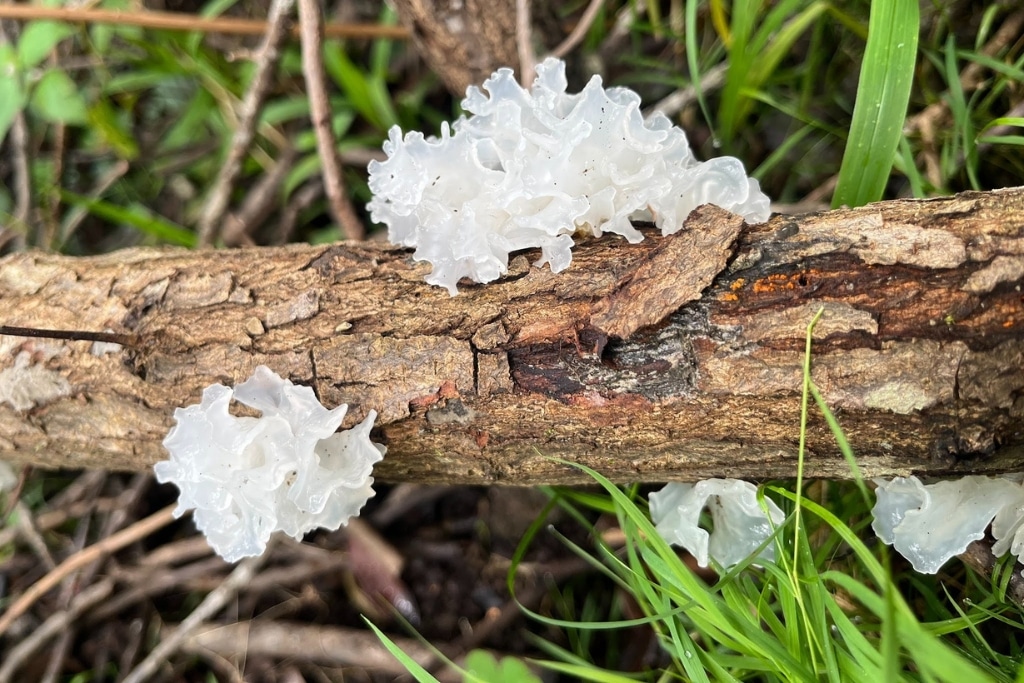
Fungi play a fundamental role in the culture and knowledge of many Indigenous communities as well, reflecting a deep ecological and spiritual connection that has endured for centuries. Used as food, flavoring, and medicine across the globe, fungi have supported the development of human civilizations. In the Amazon rainforest, Yanomami women use rhizomorphs from Marasmius yanomami for basketry. The Fomitopsis genus of conk fungi has been used in various cultures for sharpening tools, as clothing textiles, and to stop bleeding. In Hawaii, Auricularia cornea, locally known as Pepeiao, is collected, dried, and consumed as food. For many Indigenous communities, fungi have always played a crucial role.

Without them, there would be no bread, cheese, or chocolate. Fermentation from single-celled fungi, yeast, is key to beverages such as beer, wine, and kombucha. Medicinal mushrooms have shown promise in supporting mental health conditions such as depression, anxiety, and post-traumatic stress disorder. Hericium erinaceus supports neuroplasticity and the formation of new neural pathways, enhancing memory and cognition. Mushroom cultivation alone is valued at billions of dollars annually, and more broadly, fungi contribute $55 trillion to the global economy.
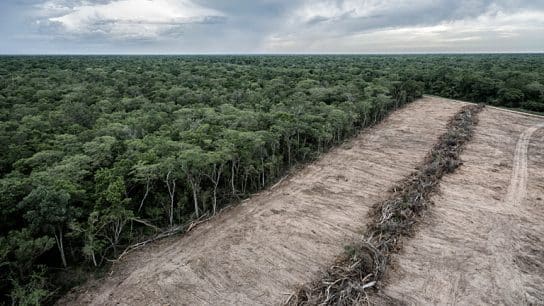
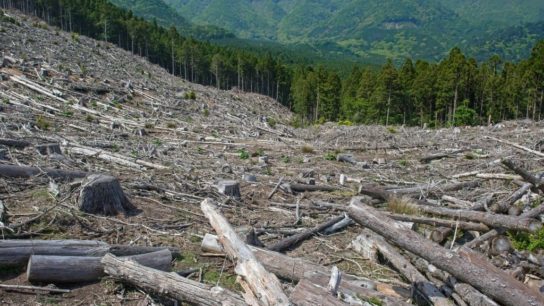
Just like species of flora and fauna, fungi are also threatened by habitat loss and deforestation, accelerated by the ongoing impacts of climate change.
More on the topic: Nearly 1 in 3 Studied Fungi Threatened With Extinction From Deforestation, Climate Change
What Can You Do to Support the Conservation of Fungi?
You can start by adopting mycologically-inclusive language. The Fauna, Flora & Funga initiative formally recognized “funga” as the collective term for the fungi kingdom, equivalent to “fauna” and “flora.” The next time you say “plants and animals,” add “fungi.”

Consider joining a growing global initiative for fungi protection. Sign the Fungal Conservation Pledge, which states that fungi “should be included in conservation frameworks and protected on an equal footing with animals and plants.”
If you want to make an even bigger impact, contact your country’s national focal point person for the upcoming CBD COP17. Ask them to recognize fungi as an independent kingdom of life, essential for biodiversity conservation and protecting nature’s contributions to people. This would help ensure that fungi are included in future international conservation policy.
Fungi are essential to biodiversity, the health of our ecosystems, and culturally significant to communities across the globe.
Yet they are tremendously underrepresented in the policies meant to protect our planet. Let’s change the paradigm by valuing fungi as we do plants and animals.
Photos by Jaida Faith.
—
About the author: Jaida Faith is a Conservation Leadership graduate student at Colorado State University and a self-taught mycologist.
This story is funded by readers like you
Our non-profit newsroom provides climate coverage free of charge and advertising. Your one-off or monthly donations play a crucial role in supporting our operations, expanding our reach, and maintaining our editorial independence.
About EO | Mission Statement | Impact & Reach | Write for us