


The recent release of orangutans Popi and Devi onto a forested island in Borneo marks a major milestone in their long road to recovery – and a powerful step forward in the fight to protect critically endangered orangutans.
—
Orangutans are in crisis. They are one of our closest relatives in the animal kingdom – and one of the most threatened. Today, all three species of orangutan – Bornean, Sumatran and Tapanuli – are classified as critically endangered, and face an extremely high risk of extinction in the wild.
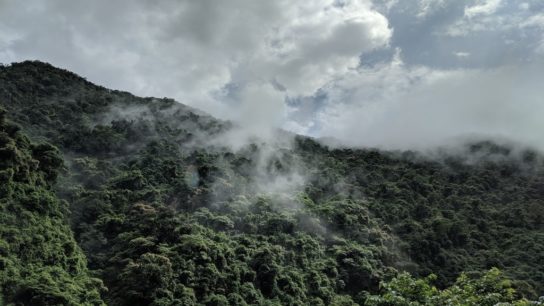
Widespread deforestation, illegal logging and the clearing of rainforests for mining, pulp paper and palm oil plantations are destroying their homes and their lives at alarming rates. At the same time, the illegal pet trade continues to steal infant orangutans from the wild, often killing their mothers in the process.
Every year, hundreds of orangutans are killed, injured or orphaned. And once displaced, their chance of survival is slim. Orphaned infants cannot survive alone in the forest without years of learning from their mothers.
Every orangutan is crucial to the survival of their entire species. Without urgent action, they could disappear from the wild within our lifetime. Rescuing, healing and returning orphaned orangutans to the wild is more critical than ever.
Popi and Devi’s Journey to Freedom
In April 2025, orangutans Popi and Devi reached the final stage of rehabilitation: relocation to a monitored and protected pre-release island. This wild, forested habitat is where rescued orangutans fine-tune their survival skills before full freedom in the forest.
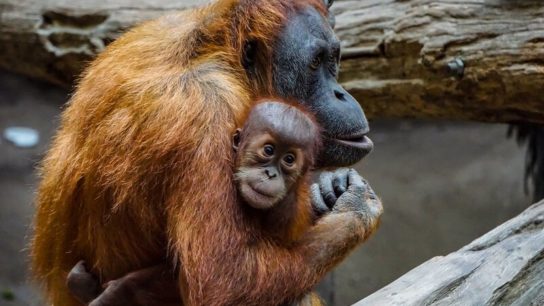
Like many victims of the illegal wildlife trade, Popi and Devi were rescued as infants after the brutal loss of their mothers. Orphaned orangutans ripped from the wild are often found traumatized, malnourished and sick. They are kept in horrific conditions, locked in cages, chained and treated as pets.
Popi was rescued in 2017 at just eight weeks old. Alone and terrified, she arrived at the Borneo Orangutan Rescue Alliance (BORA) Rescue and Rehabilitation Centre in East Borneo, needing round-the-clock care for severe psychological trauma. Devi, rescued in 2021, had been violently torn from the forest and forced into captivity.
Rescue Is Only the Beginning: Four Steps to Freedom
As one of the most intelligent species on Earth, orangutans deeply experience grief, stress and loss. Being taken from their mothers as infants robs them not only of love and safety, but of essential survival skills. In the wild, young orangutans stay with their mothers for eight to 11 years, learning how to forage for food, climb in the canopy, build nests and navigate the forest. Females stay with their mothers for longer than males so they can observe the mothering of their younger sibling. This learning period will assist them when they themselves become mothers.
Rehabilitation is a slow and careful process. For young orangutans like Popi and Devi, it can take up to five years or more before they are ready to be released. Each phase of rehabilitation builds the skills and confidence they need to return to the wild.
From the moment of rescue to release into the wild, our teams of dedicated veterinarians and babysitters care for rescued infants, supporting them through every step of rehabilitation.
Phase One: Recovery
After rescue, orangutans begin intensive care, receiving urgent medical treatment and entering a quarantine period. Many need 24/7 care, with regular bottle feeds and constant emotional support from loving babysitters who act as surrogate mothers.
Phase Two: Jungle School
Once physically healthy and emotionally stable, young orangutans start attending Jungle School. In a safe forest setting, infants can experience the forest, interact with other orangutans and begin learning essential survival skills. They learn to climb, forage, and build nests, while slowly gaining confidence and independence.
Phase Three: Pre-release
The third stage of rehabilitation is moving to a forested pre-release island. Orangutans like Popi and Devi are relocated to a protected area, where they can perfect their forest skills in the wild. Orangutans are monitored closely for up to a year, ensuring their ability to survive independently in their natural habitat.
Phase Four: Forest Freedom
The final stage of their journey is the return to true forest freedom – protected forest habitat where they can live safe, wild and natural lives. With the opportunity to thrive in their own wild communities, orangutans can live naturally into their sixties.
A Second Chance at Life in the Wild
With the support of our incredible donors, Popi and Devi, now have the chance to live long and dignified lives in their natural habitat. They are happy, healthy and confident, because so many generous supporters made their rescue, recovery and rehabilitation possible.
Without these critical stages – from rescue to release – rescued infants would simply not survive in the wild. But thanks to ongoing support, love, and care, orangutans like Popi and Devi get a true second chance at life.
“Returning an orangutan to the wild takes years of patient, expert care to undo extensive trauma experienced as an infant, and to teach them the skills their mothers would have passed on,” said Leif Cocks, Founder of The Orangutan Project.
“Without proper rehabilitation, these young orangutans wouldn’t survive. Popi and Devi show us why this long journey is not only worth it – but essential.”
Featured image: The Orangutan Project.
—
Find out more about the work of The Orangutan Project and how you can help at theorangutanproject.org. Your support will help provide food, medicine, expert care and safe forests for rescued and orphaned orangutans to return to the wild, where they belong.
This story is funded by readers like you
Our non-profit newsroom provides climate coverage free of charge and advertising. Your one-off or monthly donations play a crucial role in supporting our operations, expanding our reach, and maintaining our editorial independence.
About EO | Mission Statement | Impact & Reach | Write for us