

“If next week’s biodiversity conference, COP17, is to have a real impact, the focus needs to be on ensuring that commitments become action and that finance translates into the critical but unglamorous systems that make those plans work,” writes Kaveh Zahedi, Assistant Director-General and Director of the Office of Climate Change, Biodiversity and Environment at the Food and Agriculture Organization.
—

By Kaveh Zahedi
When negotiators gather at biodiversity COPs every two years, the conversation tends to veer toward big numbers, such as how many targets are off track, and how much money is needed to deliver on them. Behind those figures, an important shift is underway. Countries are starting to treat agriculture as a core part of the solution, not simply as a driver of biodiversity loss. A new FAO analysis of 78 national biodiversity plans found that more than a third of all planned actions put forward by countries involve agrifood systems.
That is real progress.
There is no realistic path to meeting global biodiversity goals without changing how food is produced. But writing agriculture into a biodiversity plan is the easier part. Many countries still lack the institutional capacity and practical support needed to turn aspirations and commitments into changes on farms, in forests and in fisheries.
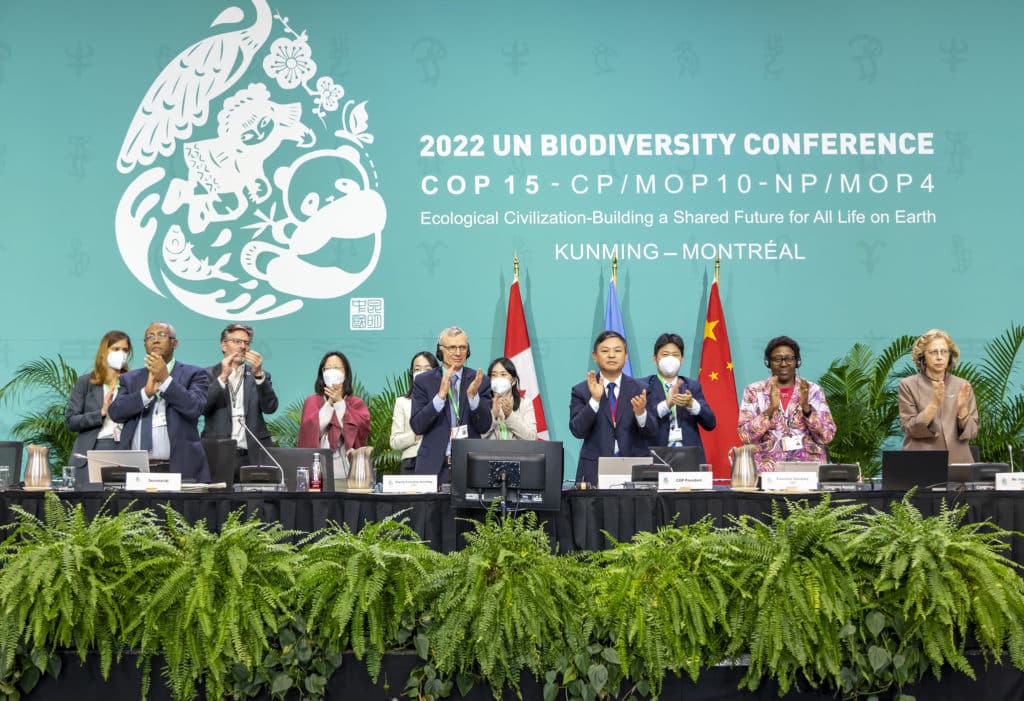
They also lack national data and monitoring systems aligned with the Global Biodiversity Framework, making it harder to tell what is working and whether individual projects are adding up to real progress. If the upcoming biodiversity conference, COP17, scheduled for next week in Yerevan, Armenia, is to have a real impact, the focus needs to be on ensuring that commitments become action and that finance translates into the critical but unglamorous systems that make those plans work.
More on the topic: Will the 2030s Be the Decade for Global Biodiversity Conservation?
Effective monitoring helps governments decide where resources should go and when they need to change course. It also gives funders greater confidence that investments are producing results, helping steer future finance and efforts toward approaches that are delivering.
Madagascar can show what it takes to put those plans into practice, and what happens when some of the pieces are missing. The African nation has developed a national roadmap to bring biodiversity protection into agriculture, forestry, livestock and fisheries. This year, it adopted a strategy to progressively phase out highly hazardous pesticides by 2035, turning a biodiversity commitment on pollution into concrete national action.
A policy like that only works if farmers have viable alternatives and the support to use them. In the Boeny region in northwestern Madagascar, more than 500 farmers have received training in practices including the use of biopesticides, composting, agroforestry, improved rice production and more sustainable fishing. A baseline study helped identify where biodiversity conservation and sustainable use could realistically be built into local farming and fishing. Crab-fattening ponds, for example, give fishers an alternative to harvesting immature crabs, reducing pressure on the wild population. At one of the FAO-supported sites, rice and crab production have doubled since 2024, showing that protecting biodiversity does not have to mean producing less food.
More than 60,000 forest and fruit-tree seedlings have also been planted. But getting them into the ground was only the start. Restoration training and community outreach helped local communities protect and care for the new plantings, with survival rates reaching up to 90% for some species. Communities have also built firebreaks around reforested areas, received pumps and sprayers to respond to fires, and taken part in outreach on the risks bushfires pose to food security and livelihoods.
These are modest interventions compared with the pressures on Madagascar’s biodiversity, but they are the practical measures that determine whether restoration takes hold.
Madagascar’s pesticide strategy sets out what needs to be measured, including whether highly hazardous pesticide use is falling, whether farmers are adopting safer alternatives, and whether pollution in soil and water is declining. But national pollution data are still fragmented and monitoring capacity is limited.
Bushfire reporting faces a similar problem. Firebreaks, training and restored hectares can be counted, but the national report does not provide a consolidated baseline showing whether fires are becoming less frequent, less extensive or less damaging.
FAO’s analysis finds that only 43% of national biodiversity plans include indicators to track progress on agrifood-related actions. Even where indicators exist, they tend to measure activities such as hectares covered, sites monitored, seed banks established or populations reached rather than their impact. Only 3% capture changes in practices, greater compliance with standards and certification or food security and livelihood outcomes. Countries may know how much activity is taking place without gaining a clear picture of whether it is leading to behavioral change, improved livelihoods or measurable ecological outcomes.
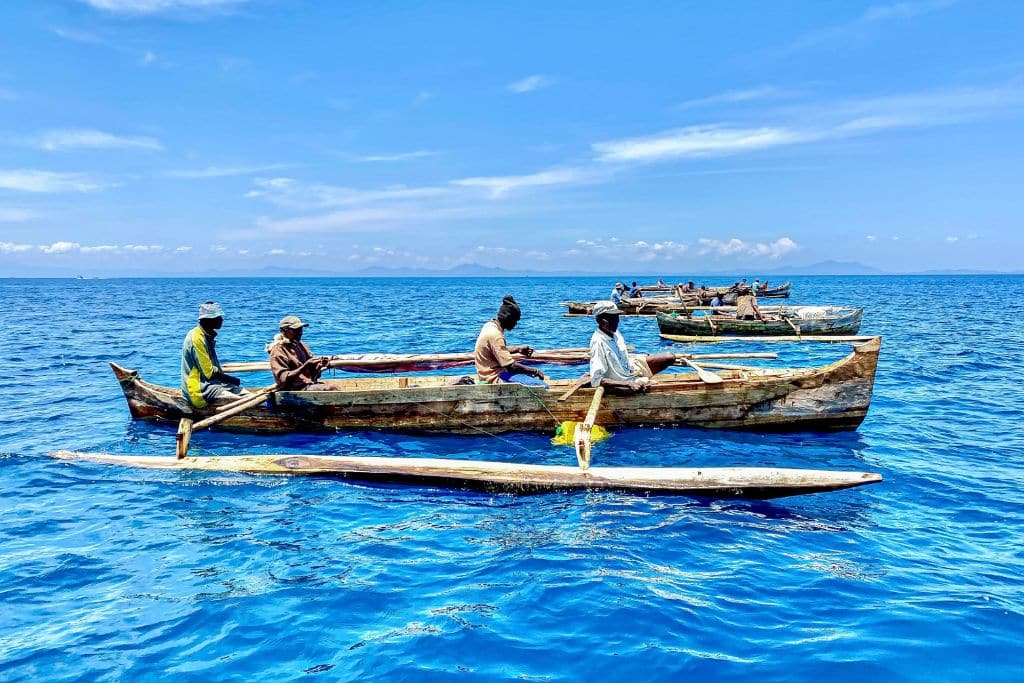
Madagascar’s experience shows that biodiversity cannot be treated as the responsibility of environment ministries alone. Agriculture, fisheries and forestry institutions have to be part of delivering progress, with policies, local capacity and reliable information that pull in the same direction.
When negotiators gather in Yerevan next week, the conversation should be about the full means of implementation: finance, capacity, technical and scientific cooperation, and access to technology. Countries need all of these to turn biodiversity plans into action, show what is working and allow successful approaches to reach the scale needed. Because investing in the protection of biodiversity also strengthens the natural systems upon which food security and resilience depend.
Featured image: European Alliance for Regenerative Agriculture (EARA).
—
About the author: Kaveh Zahedi is Assistant Director-General and Director of the Office of Climate Change, Biodiversity and Environment at the Food and Agriculture Organization of the United Nations (FAO). He leads FAO’s work on climate change, biodiversity, environmental sustainability and climate finance.
This story is funded by readers like you
Our non-profit newsroom provides climate coverage free of charge and advertising. Your one-off or monthly donations play a crucial role in supporting our operations, expanding our reach, and maintaining our editorial independence.
About EO | Mission Statement | Impact & Reach | Write for us