
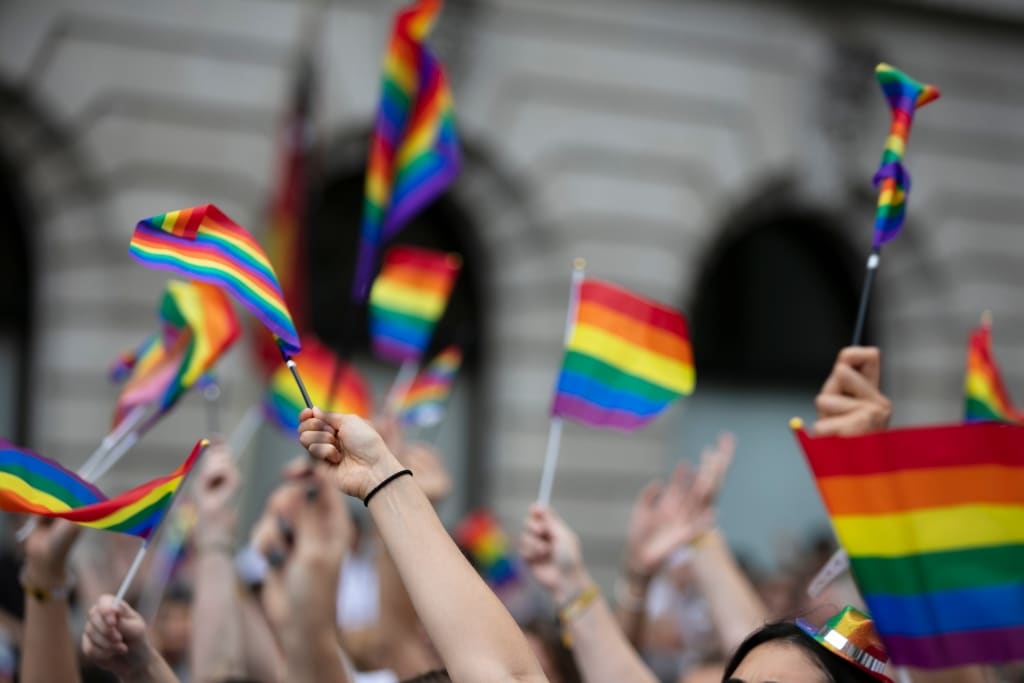
Several LGBTQ+ groups are seeking to bring queer voices to the table at COP31 and beyond.
—

LGBTQ+ populations experience a differentiated impact from extreme weather events, according to Diego De Leon Segovia, Advocacy Chair for the activist group Out for Sustainability. “They are more vulnerable because of underlying conditions, like poverty, unemployment, and homelessness. This is particularly true for trans people and those with intersectional identities related to race, disability, and class,” De Leon Segovia told Earth.Org.
A 2023 study identified a two to four times higher likelihood of permanent displacement for trans and homosexual people during extreme weather events. This is linked to higher levels of poverty as well as the fact that during periods of displacement, they experienced higher levels of violence, discrimination, and lack of basic services. LGBTQ+ people also face discrimination when trying to access relief services, whether because of the religious beliefs of the sponsoring organization, the personal values of those offering services, or local legal restrictions.
“If your partnership, or identity, is not legally recognized, or if, because of your orientation, you could face criminal charges, you are less likely to be able to access relief services,” said De Leon Segovia. According to a study on transmasculine people during heatwaves in Delhi and Uttar Pradesh in India, a substantial and differentiated impact was felt not only on a physical, emotional, and mental level, but also in their economic status.
More on the topic: When Disaster Strikes: 4 Ways the Climate Crisis Impacts LGBTQI+ People
However, having access to studies like these is beginning to address policy gaps: “For the first time we are able to move from the anecdotal to the census level,” said De Leon Segovia. For example, the group developed a policy brief based on the 2023 study for lawmakers, which led to an amendment to California’s state law on disaster risk reduction. The state is now required to conduct consultations with the state’s LGBTQ+ population and take action to incorporate safeguards.
Recently, professional affinity groups have also begun to unlock cross-sector dialogue for LGBTQ+ communities. One of these, Out in Climate, was founded three years ago and now has chapters around the US. “Most LGBTQ+ people are one of the only queer people in their organization,” the group’s founder, Adrian Silver, told Earth.Org. “At every level, LGBTQ+ people are underrepresented, and there are very few queer folks at the board level. Their ERGs [employee resource groups] often have no budget, or only when there is an executive sponsor. We’re solving for isolation and for silos.”
Clark Marchese, a science communicator and media producer, said it “always makes a world of difference to find another queer person in your space, especially in a senior position.”
Along with regular gatherings at its local chapters, Out in Climate launched the Queer Decarbonization Summit last year, which is being hosted in two locations in 2026. There, delegates meet LGBTQ+ leaders from other companies, create opportunities for mentorship, and seek inspiration. “We’re an invisible minority, and burnout is really important. Our events create a level of psychological safety and turn isolation into belonging – people meet others who are fighting the good fight,” said Silver.
Solving these issues requires financing, which is typically less available to impacted groups for the same reasons they experience greater physical and mental impacts. While scarce, some financing does exist. Sources include the Astraea Lesbian Foundation for Justice, which allocated $600,000 over two years for queer-led projects on climate adaptation and resilience, as well as GiveOut, a queer-led organization in London which has allocated 1 million pounds (US$1.3 million) for queer climate projects.
On a global level, the situation is mixed. While groups of society such as people with disabilities have already achieved official recognition under the updated Gender Action Plan at COP30, similar recognition has not yet been granted for the LGBTQ+ community. De Leon Segovia notes that representatives from Out for Sustainability have met with activists in India, Jamaica, and other countries with the aim to create the first global assessment of LGBTQ+ and climate, to ensure “It’s not just a global north agenda.”

This year, the Mexican government included for the first time four specific commitments related to the LGBTQ+ community in the latest update of its Nationally Determined Contribution (NDC) – the country’s plan to reduce climate change impacts in line with the framework of the UNFCCC (the UN’s climate change arm). These included generating more data on education, awareness, and legal recognition, and providing support and protection to the LGBTQ+ communities that are being affected. So far, De Leon Segovia says that while some other NDCs mention LGBTQ+ populations, they are “symbolic, but not transformative” – in other words, not a specific commitment or action that the government will take. Last month, Out for Sustainability, GiveOut, and KOPPA also submitted an official response to the UNFCCC’s call for submissions on gender-responsive financial instruments.
Meanwhile, the COP process itself can complicate these efforts. Marchese is developing a plan to support stronger queer presence and narrative visibility in global climate convenings. “I would consider it a success if I got as many queer people into the room [at COP31] as possible,” he said, adding that “you have to think before you go there.” COP31 will take place in Turkey, which in 2024 fell to the 47th position out of 49 countries when it comes to the protection of LGBTI rights.
Restricting LGBTQ+ people from engaging in climate dialogue risks cutting out an important source of expertise, according to advocates.
“Queer people have a lot of experience in speaking out to fight to have their basic rights met, and we’re used to having our actions be treated with disapproval by the status quo. These things are a big part of the climate activist’s journey too,” Wren James, a queer author and founder of the Climate Fiction Writers’ League, told Earth.Org. “[We] know how important mutual aid and interpersonal support can be for survival, and are willing to stand up and fight for other marginalised communities.”
“Queer people are expert community builders and expert organizers,” added Marchese. “That’s a skill we’ve had to develop, and that’s a skill we’re all going to need to address the climate issue. My call to action is to use your voice in whatever room you’re in.”
This story is funded by readers like you
Our non-profit newsroom provides climate coverage free of charge and advertising. Your one-off or monthly donations play a crucial role in supporting our operations, expanding our reach, and maintaining our editorial independence.
About EO | Mission Statement | Impact & Reach | Write for us