

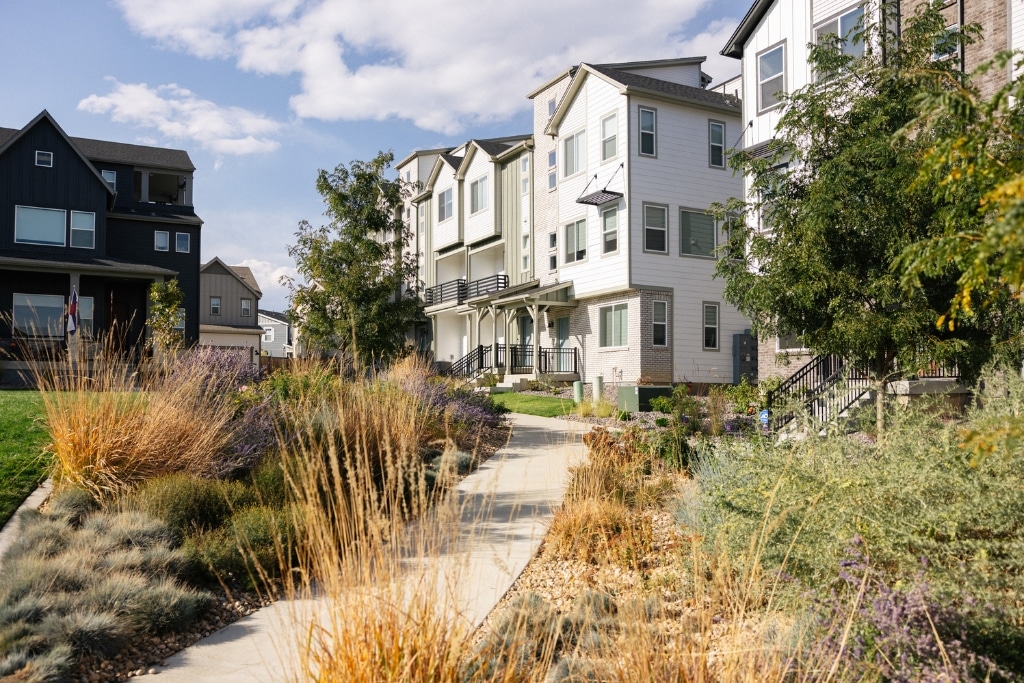
The Pollinator District framework is a community planning model that integrates pollinator habitat, native landscaping, sustainable design, research and public education into real estate development to support bees, butterflies and other critical species.
—
By Kyle Harris
Across North America, pollinator populations are in decline. Scientists continue to document the threat to bees, butterflies and other pollinators that support ecosystems, biodiversity and food production. A 2025 NatureServe-led study found that more than 22% of native North American pollinators are at elevated risk of extinction, based on an assessment of nearly 1,600 species, including bees, beetles, butterflies, moths, flower flies, bats and hummingbirds. Separately, US beekeepers reported losing an estimated 55.6% of managed honey bee colonies between April 2024 and April 2025 – the highest annual loss rate recorded since national tracking began in 2010–2011.
The stakes extend far beyond pollinators themselves. According to the Food and Agriculture Organization of the United Nations, nearly 90% of the world’s wild flowering plant species depend, at least in part, on animal pollination. More than 75% of the world’s food crop types benefit from pollinators; they are responsible for producing many of the fruits, vegetables, nuts and seeds that support both human nutrition and ecosystem health. Researchers estimate the global economic value of pollination services exceeds US$235 billion annually, highlighting the importance of pollinator health not only to biodiversity, but also to food security and agricultural productivity.
Habitat loss and fragmentation remain among the leading drivers of pollinator decline, alongside pesticide exposure, disease and climate change. As natural landscapes are converted into roads, neighborhoods, commercial centers and other forms of development, pollinators lose access to the connected habitat they need to survive. Food sources become fragmented. Nesting opportunities disappear. The conventional response has largely focused on conservation. Protect more land. Restore more habitat. Preserve what remains. Those efforts remain essential. But they also raise a difficult question: if future population growth is increasingly occurring in places that were once habitat, can conservation efforts alone keep pace?
At Realberry’s Baseline, a 1,100-acre master-planned community in Broomfield, Colorado, we asked a different question: can the way we develop become part of the solution?
Several years ago, Baseline partnered with Butterfly Pavilion to test an ambitious idea. What if pollinator habitat was not treated as an isolated amenity or conservation project, but instead supported and integrated throughout an entire community? Could a neighborhood be designed in a way that actively supports pollinator populations while still accommodating growth?
The Challenge Was Bigger than a Garden
Located along Colorado’s Front Range, Broomfield sits within a semi-arid landscape where ecological pressure is already visible. The region is part of Colorado’s shortgrass prairie system, an ecosystem that has experienced significant conversion over time. Colorado State University’s Colorado Natural Heritage Program has estimated that nearly 50% of Colorado’s historic shortgrass prairie has been converted to agriculture or other uses, representing the largest ecosystem loss in the state.
That habitat pressure is occurring alongside rapid growth. Between 2010 and 2020, Broomfield County’s population grew by roughly 30%, making it one of the fastest-growing counties in Colorado during that decade. During the same period, Colorado’s population grew by more than 744,000 residents – a 14.8% increase. For pollinators, that growth matters because new roads, housing, commercial and agricultural land use, and conventional landscaping can fragment the connected habitat networks that many native bees, butterflies and other insects rely on.
At the same time, undeveloped land is not always synonymous with healthy pollinator habitat. Prior to development, much of the Baseline site was agricultural land with limited plant diversity and relatively few resources for pollinators. While development is often viewed as being at odds with conservation, the question at Baseline was whether a thoughtfully designed landscape could ultimately provide more habitat value than what existed before.
A changing climate adds another layer of difficulty. Research by the Multidisciplinary Digital Publishing Institute published in 2021 found that drought can significantly affect native bee communities, with drought having a stronger effect on bee community composition than habitat fragmentation in the study area. Creating a pollinator garden is relatively straightforward. Designing an entire community around pollinator health is considerably more complex.
For a semi-arid region like Colorado’s Front Range, that finding is especially relevant. Pollinator habitat must be designed not only to provide flowers, nesting areas and connectivity, but also to remain resilient through dry years, heat and variable growing conditions.
The challenge at Baseline was determining whether those principles could be applied at community scale. The question aligned closely with a broader philosophy that has influenced Realberry communities for decades.
Building on a Legacy of Stewardship
The seeds of this idea were long in the making. Nearly 20 years before work began in Broomfield, Realberry was actively exploring how conservation and development could coexist within large-scale community planning. One of the most visible examples is our work at Centerra in Loveland, Colorado, where ecological stewardship became a core part of the community’s long-term vision.
Established in 2001 through a partnership between the development team, local governments and conservation leaders, the High Plains Environmental Center (HPEC) was created to restore, manage and steward the community’s extensive natural systems. Today, HPEC oversees hundreds of acres of wetlands, lakes, native landscapes and wildlife habitat throughout Centerra while also serving as a hub for environmental education and conservation programming across Northern Colorado.
The partnership demonstrated that environmental stewardship could be more than a regulatory requirement or a standalone amenity. Through habitat restoration, native landscaping, water conservation efforts and long-term ecological management, Centerra provided an early example of how community growth and environmental restoration could occur simultaneously. Over time, those investments helped create a stronger ecological identity for the community while reinforcing the value of integrating stewardship into development from the outset.
Those experiences shaped the thinking behind Baseline and pushed the development team to think more expansively about the role communities could play in supporting ecological health.
Rather than treating environmental considerations as something to address after planning was complete, the team sought to incorporate ecological performance into the framework of the community itself. That approach ultimately led to a partnership with Butterfly Pavilion, a Colorado-based nonprofit internationally recognized for its work in invertebrate conservation, education and research.
Together, the organizations began developing what would become the world’s first Certified Pollinator District.
Becoming the World’s First Pollinator District
Developed by Butterfly Pavilion, the Pollinator District framework is a community planning model that integrates pollinator habitat, native landscaping, sustainable design, research and public education into real estate development to support bees, butterflies and other critical species. Rather than concentrating habitat within isolated open spaces, the model treats ecological connectivity as critical infrastructure.
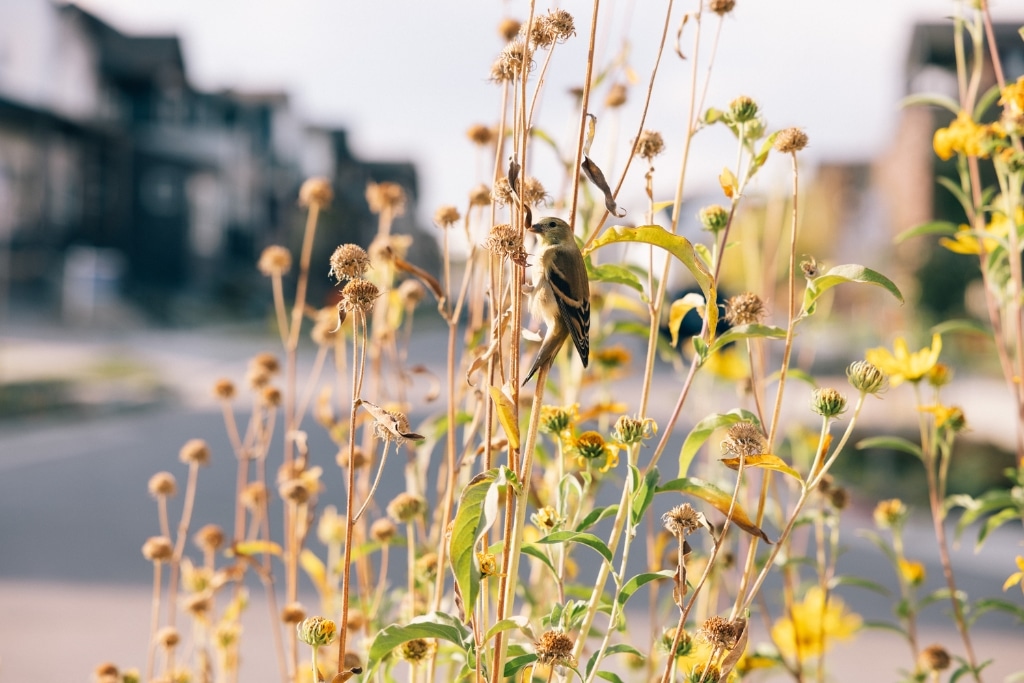
At Baseline, this meant evaluating how pollinators would move throughout the community, identifying opportunities to integrate native plants into landscapes, creating flowering resources that support pollinators across seasons and ensuring habitat considerations were incorporated into long-term management and maintenance practices.
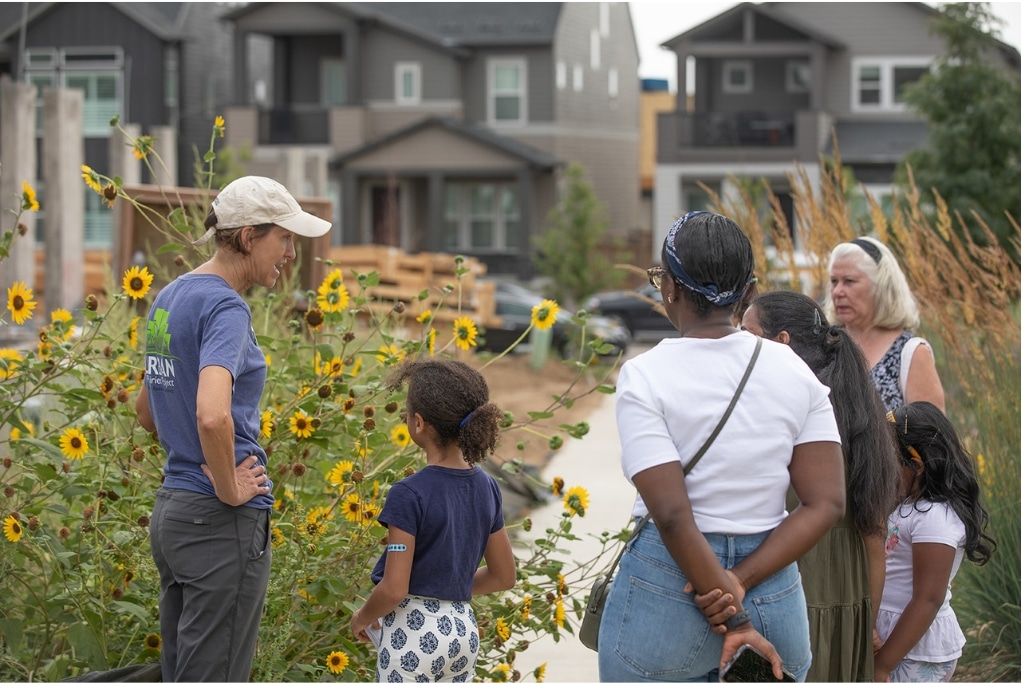
The approach extended beyond landscaping. Education, community engagement, stewardship and ongoing monitoring were built into the model from the beginning. Importantly, certification was never viewed as the finish line.
The goal was not simply to become the first Pollinator District, but to determine whether the framework could produce measurable ecological outcomes over time. That meant committing long-term to having our impact on pollinator communities measured.
The Most Important Question: Can It Work?
Many environmental initiatives are guided by good intentions. Far fewer are accompanied by long-term monitoring capable of measuring whether those intentions translate into meaningful ecological outcomes.
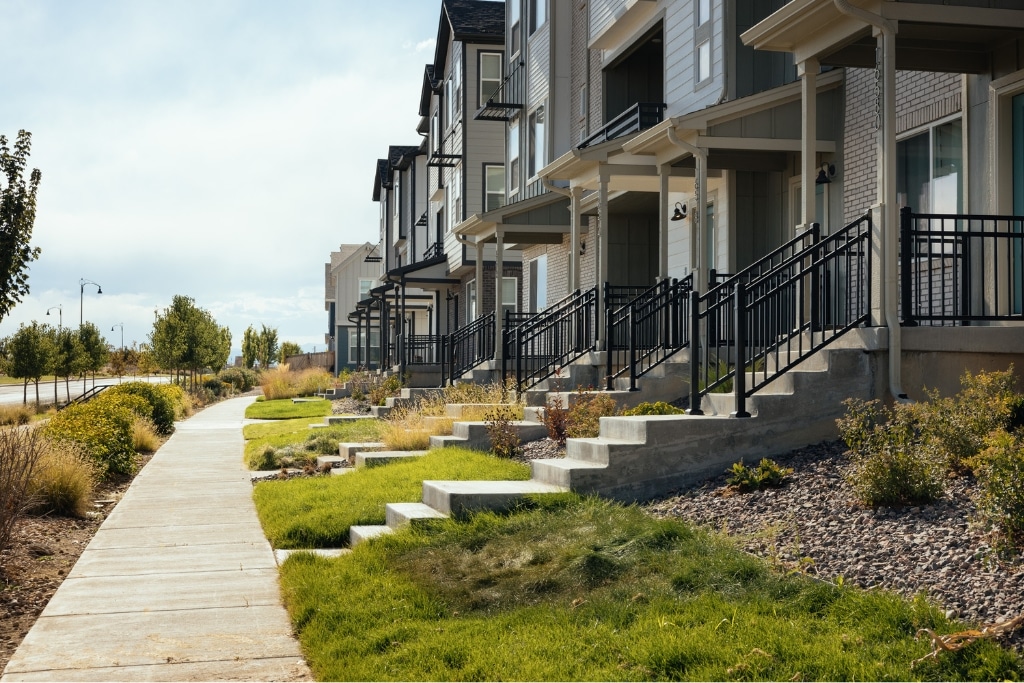
Before construction began in 2019, Butterfly Pavilion researchers conducted an initial biological inventory across the future Baseline site to establish baseline ecological conditions. At the time, much of the property consisted of dry farming monoculture with a healthy dose of noxious weeds. The survey documented a relatively limited pollinator community: eight pollinator families, composed primarily of generalist species commonly associated with degraded grasslands and former agricultural landscapes. That assessment established a scientific benchmark against which future ecological changes could be measured.
From there, researchers developed a long-term monitoring framework to track how pollinator communities would respond as the landscape matured, with follow-up surveys conducted annually since 2022. The hypothesis was straightforward: if habitat quality improved, pollinator populations and diversity should respond.
Thereafter, annual surveys were conducted by the Butterfly Pavilion, the results of which suggested that the habitat investments made throughout Baseline were generating measurable ecological outcomes.
Researchers documented 3,805 macropollinators representing 27 pollinator families – a more than 500% increase from surveys conducted in 2023. The findings also included first-time observations of several pollinator groups, including longhorn beetles, plasterer bees and digger wasps, as well as broad-tailed hummingbirds, one of Colorado’s few vertebrate pollinators.
Just as significant as the increase in abundance was the increase in diversity. Researchers documented a broader range of pollinator families than in previous surveys, suggesting that habitat conditions are becoming suitable for a wider variety of species. While a substantial portion of the increase came from western honeybees, the presence of additional pollinator groups indicates that the landscape is becoming increasingly functional from an ecological perspective.
According to Amy Yarger, Senior Director of Horticulture at Butterfly Pavilion, the findings reflect what can happen when habitat resources become available and mature over time. “The landscape at Baseline continues to establish and create critical new ecological niches,” Yarger explained. “Pollinators respond directly to habitat quality. When diverse flowering resources and nesting areas are available, they return, even in built environments.”
The results do not suggest that pollinator decline has been solved. Rather, they demonstrate that intentional habitat investments can produce measurable ecological responses and that those responses can – and should – be tracked over time. For Baseline, the most important outcome may not be the pollinator count itself, but the ability to better understand how biodiversity responds to specific interventions in planning, landscape design and long-term stewardship within a developed environment.
Five Lessons for Communities Interested in Pollinator Health
As more municipalities, developers and conservation organizations explore ways to support biodiversity, several lessons have emerged from Baseline’s experience.
1. Start with science
Effective conservation begins with understanding existing conditions. Establishing a baseline allows communities to measure progress and evaluate whether interventions are producing meaningful outcomes.
2. Think beyond open space
Pollinator habitat does not need to be confined to dedicated conservation areas. Streetscapes, parks, residential landscapes, schools and commercial areas can all contribute to a connected ecological network.
3. Design for year-round habitat
Pollinators require resources throughout their life cycles. Communities should consider flowering succession, nesting opportunities, water availability and habitat diversity when developing landscape strategies.
4. Engage the community
Long-term ecological success depends on the ongoing will of people. Education programs, citizen science initiatives, workshops and stewardship opportunities help create a culture of conservation that extends beyond physical infrastructure.
5. Commit to long-term monitoring
Conservation is not a one-time project. Ongoing monitoring allows communities to adapt management practices, measure outcomes and continually improve ecological performance over time.
A Model Worth Watching
The future of conservation is unlikely to depend on a single strategy. Protected lands and habitat restoration projects will remain essential. At the same time, the places where people live, every day, will increasingly influence biodiversity outcomes.
For planners, developers, municipalities and conservation organizations, the broader lesson from Baseline may be less about pollinators themselves and more about process. Ecological systems respond to decisions about habitat connectivity, plant selection, landscape management and long-term stewardship. Those decisions have often been treated as secondary considerations. Moving forward, they may need to be viewed as part of a community’s core infrastructure.
Not every development must necessarily become a Pollinator District – ecological outcomes can be intentionally designed and improved over time even in urbanizing areas. The question is no longer whether development can enhance biodiversity, but whether communities will exhibit the foresight and invest in the planning to support it.
Featured image: Baseline.
—
About the author: As Senior Vice President of Master Planned Communities at Realberry, Kyle Harris leads the strategic vision, development, and execution of large-scale, mixed-use communities for Realberry. He oversees Centerra, a 3,000-acre master planned community in Loveland, and Baseline, a 1,100-acre community in Broomfield, Colorado. With more than 20 years of experience along Colorado’s Front Range, Kyle brings thoughtful placemaking, creativity, and long-term vision to projects that deliver lasting value for residents, businesses, and communities.
This story is funded by readers like you
Our non-profit newsroom provides climate coverage free of charge and advertising. Your one-off or monthly donations play a crucial role in supporting our operations, expanding our reach, and maintaining our editorial independence.
About EO | Mission Statement | Impact & Reach | Write for us