


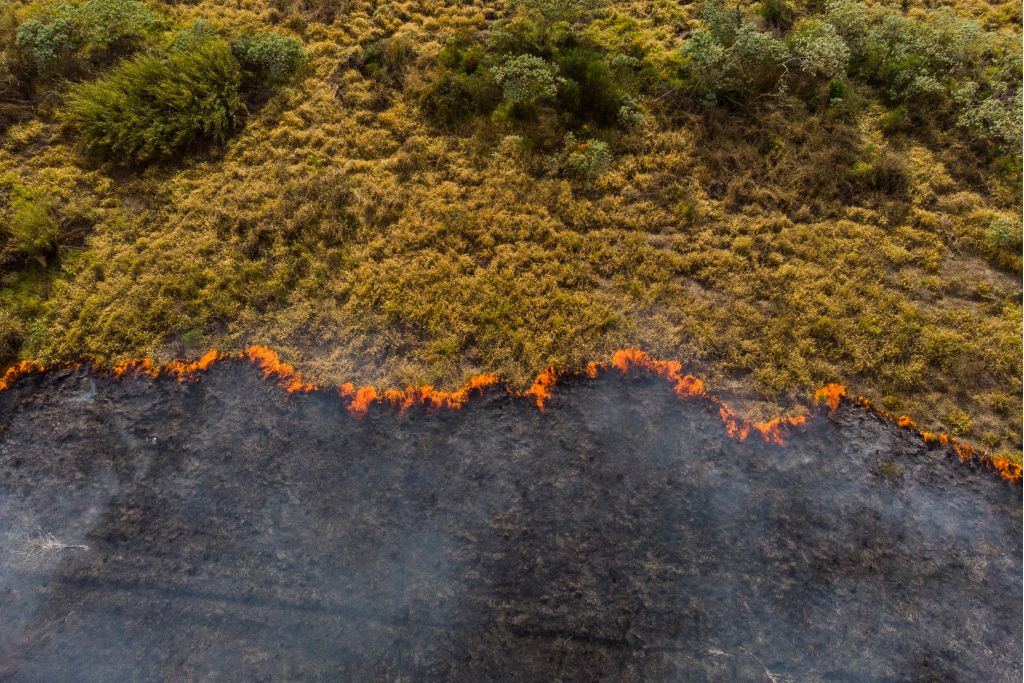
“Human-induced climate change made the weather that accompanied recent wildfires in Chile and Argentina about 2.5 to 3x more likely,” said the World Weather Attribution.
—
Recent deadly wildfires in parts of Argentina and Chile would have been less likely to occur in a cooler world, according to a new study.
New research by the World Weather Attribution group concluded that reduced rainfall and elevated temperatures created the perfect conditions for the wildfires to spread. The blazes ripped through the Andean foothills of central-southern Chile and across northern Patagonia in Argentina, affecting dense native forests, national parks, and small rural and tourist communities along the Chile–Argentina border.
Months of drought, temperatures above 38C and winds of 40–50 km/h allowed the fires to spread rapidly, destroying thousands of homes, killing and injuring dozens of people, and prompting local authorities to declare a state of emergency.

Human-induced climate change, which is primarily caused by the burning of fossil fuels, made the weather that accompanied recent wildfires in Patagonia about 2.5 more likely and 3 times more likely in Chile, the study concluded. “In both regions the event would have been rarer in a 1.3C cooler world,” it said.
Researchers blamed low rainfall, among other factors – they found that rainfall during the early summer season, which runs from November to January, has decreased by about 25% in the Chilean study region and by about 20% in the Patagonian study region when compared to the pre-industrial climate.
The growth of non-native pine plantations and invasive species has also contributed to the spread of the fires by increasing the amount of highly flammable landscapes in Chile, particularly around inhabited areas. Environmentalist had long warned of the dangers of replacing native trees in the Andes mountain range with highly flammable foreign pine.
“By burning fossil fuels, we have essentially loaded the dice, making the conditions for these devastating blazes more likely,” said Clair Barnes, Research Associate in Extreme Weather and Climate Change at the
Centre for Environmental Policy, Imperial College London, and an author of the study.
Researchers also called for enhanced fire management amid Argentina’s slashing of fire prevention, early warning systems and aerial support budgets, which are crippling the ability to fight the massive wildfires in Patagonia. The number of forest ranger and firefighter workforce has also decreased significantly in light of President Javier Milei’s budget cuts and layoffs, with the National Parks Administration employing roughly half the number of firefighters recommended.
“Ignoring climate change just makes it much more dangerous. As fire risks grow, proactive investment in fire management capacity plays a critical role in protecting communities and their natural heritage,” said Friederike Otto, Professor of Climate Science at the Centre for Environmental Policy and Co-Founder of the World Weather Attribution group.
You might also like: January’s Weather Extremes Mark Turbolent Start to 2026
This story is funded by readers like you
Our non-profit newsroom provides climate coverage free of charge and advertising. Your one-off or monthly donations play a crucial role in supporting our operations, expanding our reach, and maintaining our editorial independence.
About EO | Mission Statement | Impact & Reach | Write for us