


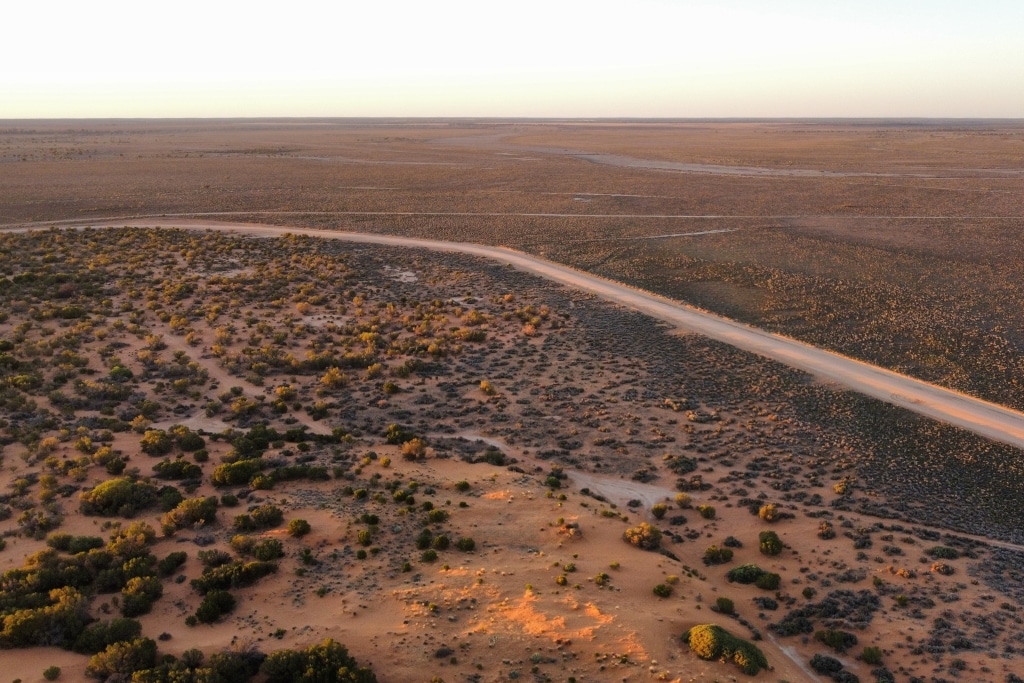
Australia just recorded its most severe heatwave since 2019, when extreme weather conditions fueled the devastating Black Summer fires. Researchers warned extreme heat in the country is “becoming the norm.”
—
Human-caused climate change made the intense heatwave that hit parts of Australia earlier this month five times more likely, an analysis has concluded.
The country just recorded its most severe heatwave since 2019, when extreme weather conditions fueled what have become known as the Australian Black Summer fires. Maximum temperatures across southeastern Australia were consistently above 40C between January 7-9, topping 44.4C in Melbourne on January 9.
A team of 15 researchers with the World Weather Attribution group analyzed weather data and ran computer model simulations to compare today’s climate, which has warmed 1.3C since the late 1800s, with the past. They concluded that climate change made this month’s heatwave hotter, adding about 1.6C to the temperatures recorded.
This is despite the heatwave happening against the backdrop of La Niña, a recurring weather pattern typically associated with mild temperatures across the region. Study author Ben Clarke called this finding “striking”.
A similar heatwave, which was once a 1-in-25-year event, is now likely to happen once every five years, researchers say. Further predicted warming of 2.6C above the pre-industrial average, caused by continued fossil fuel burning, could increase the frequency to once every two years.
“The evidence is clear. Extreme heatwaves are in the fast lane to becoming the norm rather than the exception during the Australian summer,” said Clarke, who works at the Centre for Environmental Policy at Imperial College London.
Heatwaves are Australia’s deadliest natural hazard, causing more fatalities since 1900 than bushfires, cyclones, earthquakes, and floods combined. Extreme heat, which particularly threatens elderly people, outdoor workers, and individuals with pre-existing conditions and those living in socioeconomic disadvantage, is putting a strain on the country’s health system and worsening mental health. A hospital in Melbourne reported a 25% rise in emergency admissions during this month’s heatwave.
The study comes as parts of Western Australia’s north recorded highs of 50C this week. A “severe” heatwave is also developing in the country’s central and southern regions. It is forecast to move eastwards, pushing temperatures above 40C and bringing further dangerous fire conditions during the weekend.
Heightened Fire Risk
The heat created the perfect conditions for several bushfires to spread uncontrollably across the southeastern state of Victoria, where authorities declared a state of disaster. As of January 14, the bushfires have burnt across 404,000 hectares, an area more than five times the size of Singapore. They destroyed more than 700 structures, including 228 homes.
Wildfires are no novelty in Australia. The country has seen large-scale events in Canberra in 2003, in Victoria in 2009, in Tasmania and the New South Wales Blue Mountains in 2013, and, most notably, in 2019-20, when the Black Summer bushfires burned 24 million hectares (59 million acres; 240,000 square kilometers), destroyed thousands of buildings, killing more than 30 people and harming an estimated 3 billion animals country-wide.
Scientists have long warned that similar events could happen again as fossil fuel burning continues to heat up the planet. But research published earlier this month warned of the possibility that these events will reach urban areas, drawing parallels with the devastating Los Angeles fires from a year ago.
This story is funded by readers like you
Our non-profit newsroom provides climate coverage free of charge and advertising. Your one-off or monthly donations play a crucial role in supporting our operations, expanding our reach, and maintaining our editorial independence.
About EO | Mission Statement | Impact & Reach | Write for us