73% of maternal healthcare professionals around the world are reporting an increase in heat-related cases or complications related to extreme heat affecting pregnant women, according to a new survey. United Nations climate leaders have named this a “new faultline” in the climate crisis.
—

Pregnant women and babies remain overlooked in many heat-health responses as extreme heat threatens their health and wellbeing, a new survey has found.
Of the 1,000 healthcare professionals survey participants, 73% said they had to deal with heat-related cases or complications related to extreme heat affecting pregnant women, while almost every respondent said they have cared for a pregnant woman or baby whose health they consider to have been affected by extreme heat.
“We are in a new, hotter world, as the world continues to burn planet-heating fossil fuels,” UN Climate Change Executive Secretary Simon Stiell said in a speech on pregnancy, birth and maternal health on Monday. Speaking in Fiji, the UN climate chief cited data from the survey, acknowledging that “rising temperatures mean rising danger in pregnancy.
“The picture is clear and very disturbing: as extreme heat worsens, pregnancy and birth are now a new faultline in the global climate crisis,” he added.
76% of the survey respondents, which included healthcare professionals involved in pregnancy, childbirth, postnatal or newborn care, reported an increase in heat affecting fetal or newborn health in the past five years.
Every 1C rise in temperatures correlates with a 5% increase in premature births and a 7% increase in gestational diabetes, according to the same survey, which saw the participation of healthcare professionals from five countries: Australia, Brazil, India, the UK and Zimbabwe.
You might also like: For Pregnant Women in Hong Kong, Extreme Heat Is a Silent Threat with No Warning
“Climate change is increasingly becoming a maternal health crisis, particularly for women living in displacement and poverty.” Mabel Adinya Ade, Executive Director of the Adinya Arise Foundation, a Nigerian non-profit focused on women’s empowerment, child rights and social justice, told Earth.Org in an emailed response. “From my work with vulnerable pregnant women and mothers in North East and North Central Nigeria, I have seen how extreme heat, inadequate shelter, limited water, poor nutrition and disrupted maternal healthcare can compound risks for mothers and babies, underscoring the urgent need to make maternal healthcare climate-resilient,”
Temperatures are continuing to rise globally, posing new threats to pregnancy and childbirth. The global surface temperature in August was 1.32C above average for the 20th century. This made it the warmest August since records began in 1850. “‘Staying cool’ is simply not an option when there is no cool place to go. A safe birth is already too often shaped by geography, income and access to care,” Stiel commented in his speech.
At the pre-COP31 event in Fiji where the survey was launched, the pollsters called for pregnancy and newborn health to be prioritized in national climate and health plans. Their recommendations include specific measures to protect women and babies from extreme heat; World Health Organization clinical guidance on heat, pregnancy and the postpartum period; and stronger surveillance and data on the impact of heat on pregnancy and childbirth.
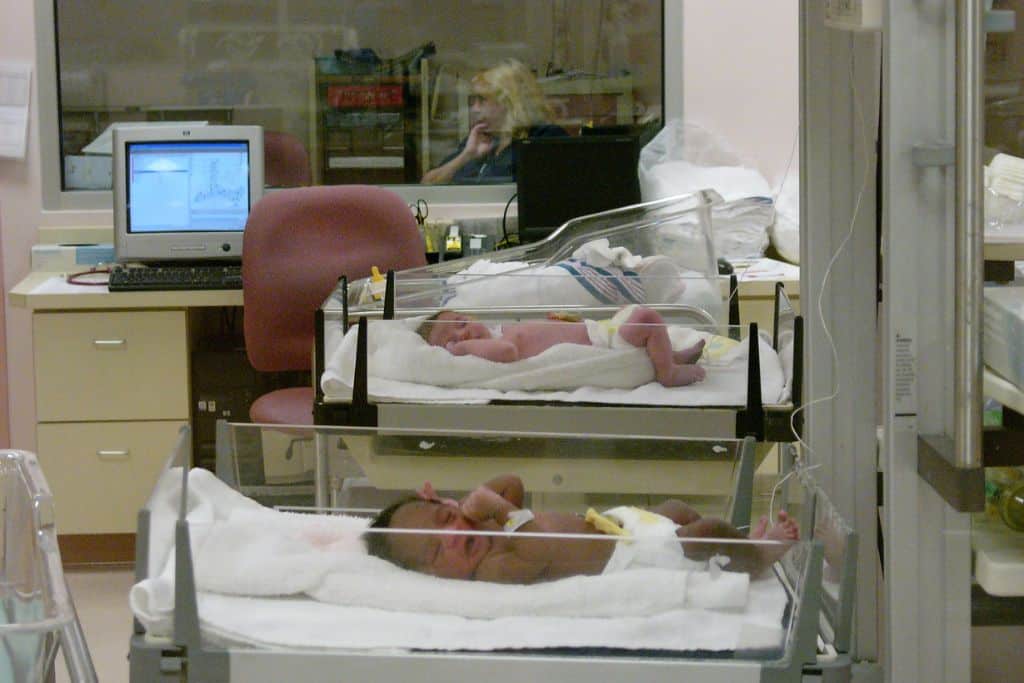
At the launch, Julia Gillard, Chair of Wellcome and former Prime Minister of Australia, said: “Midwives and doctors from countries across five continents are telling us that extreme heat is affecting the health of pregnant women and newborn babies. No woman should have to fear that extreme heat will harm the baby she is carrying.”
The Gender Action Plan signed at COP30 in Belém, Brazil, last year laid out a series of actions needed “for improving the representation of women in Party delegations and constituted bodies.” These included capacity-building in the area of climate and gender, the inclusion of women in climate decision making, more gender-responsiveness in areas like climate finance and the adoption of new technologies, and better use of gender related data.
Training gaps remain a critical concern: according to the survey, 92% of the healthcare professionals want more training and resources to protect pregnant women during extreme heat. Healthcare professionals also reported problems related to heat, including low birth weight or restricted growth (34%); dehydration and heat-related illness in newborns (36%); and difficulties with feeding, breathing and temperature regulation (33%).
The problem is compounded when heat prevents women from getting the care they need during pregnancy and birth. 27% of the survey respondents said heat was making it harder for pregnant women and families to travel to or access care, while 29% reported an increase in urgent or emergency presentations.
COP31, which will be held this November in Antalya, Turkey, will include a high-level gender event on how nations are engaging not only women and girls but also men and boys as agents of change, as well as an in-session dialogue on Gender Day focused on relevant areas including pregnancy and childbirth.
This story is funded by readers like you
Our non-profit newsroom provides climate coverage free of charge and advertising. Your one-off or monthly donations play a crucial role in supporting our operations, expanding our reach, and maintaining our editorial independence.
About EO | Mission Statement | Impact & Reach | Write for us