

Temperatures surpassed 30C for several consecutive days last month in parts of Finland, Norway and Sweden, something highly unusual for this part of Europe.
—
The relentless heatwave that brought record-breaking temperatures to Europe’s Nordic countries last month was made at least 10 times more likely by human-made climate change, according to a new study.
Over a two-week from mid-July, temperatures in Finland, Norway and Sweden were unusually high.
Finland experienced 22 consecutive days with temperatures above 30C, the country’s longest heatwave on record. In Norway’s North Trøndelag county, where summer temperature averages are usually around 13-18C, temperatures exceed 30C for 13 days. In Sweden, the municipalities of Haparanda and Jokkmokk, last month saw heatwave conditions for 14 and 15 consecutive days, respectively. Heatwaves this long have not been recorded there in more than 100 years.
A rapid attribution study by the World Weather Attribution group found that the relentless and unusual heatwave was 2C hotter and at least ten times more likely because of human-made climate change.
“Climate change is fundamentally reshaping the world we live in,” said Clair Barnes, Researcher at the Centre for Environmental Policy Imperial College London and one of the study’s authors. “Cold-climate countries like Norway, Sweden and Finland, are now experiencing unfamiliar levels of heat, as recently seen in strained health systems and sightings of reindeer seeking shade in urban areas.”
Maja Vahlberg, Technical Advisor at Red Cross Red Crescent Climate Centre and Climate Consultant at Swedish Red Cross, echoed Barnes’ words, adding that “[o]ur infrastructure was not built to withstand these extreme temperatures and our aging population is increasingly susceptible to dangerous heat.”
Heat is extremely dangerous for humans as it compromises physiological processes meant to keep the body cool, heightening the risk of heatstroke and other heat-related illnesses. It can be life-threatening if not promptly treated.
The elderly, but also women and children, are especially at risk of developing severe heat-related symptoms. Age-related physiological changes, such as a decrease in the body’s ability to regulate its temperature and reduced sweating capacity, make older adults less efficient at dissipating heat. Pre-existing health conditions and medications can further compromise their ability to cope with high temperatures. Social isolation, limited mobility, and inadequate access to cooling resources only exacerbate these vulnerabilities.
Between 2000-2004 and 2017-2021, heat-related deaths among individuals aged 65 and older surged by around 85%.
More Frequent Heatwaves
The last time Nordic countries experienced similar heat was in 2018, according to the study. Since then, the planet has heated by 0.2C, making similar two-week heatwaves almost twice as likely to occur.
“We found that the likelihood of a prolonged period of heat like this has almost doubled since 2018, when the region last experienced such an intense heatwave – and this trend is going to continue if we don’t stop filling the atmosphere with planet-heating gasses,” said Barnes.
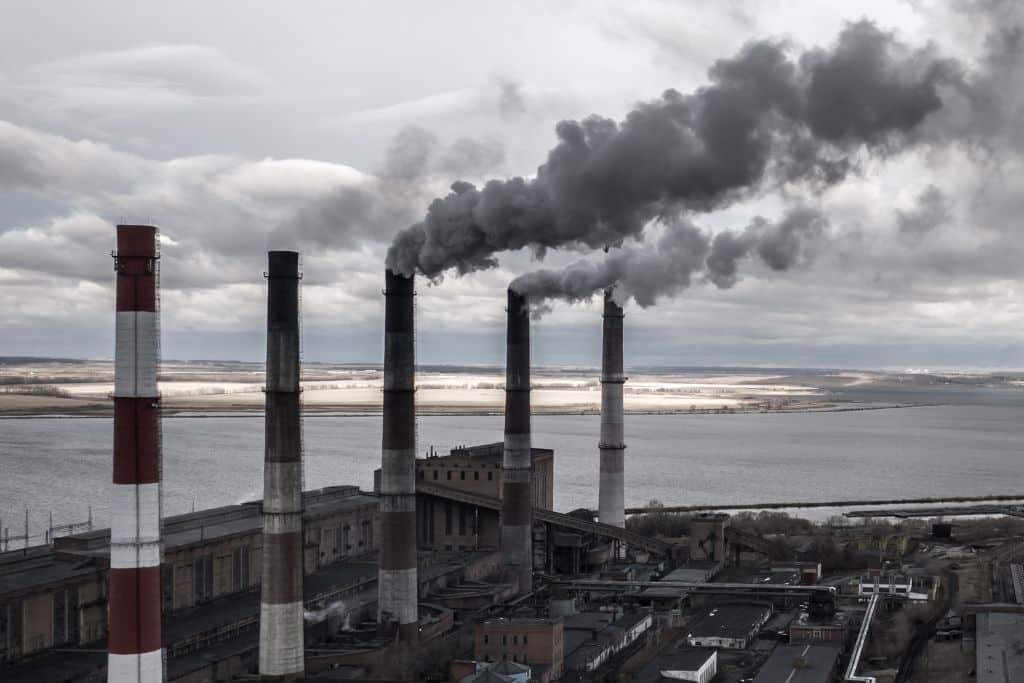
The burning of coal, natural gas, and oil for electricity and heat is the single-largest source of global greenhouse gas (GHG) emissions. These are the primary drivers of global warming as they trap heat in the atmosphere and raising Earth’s surface temperature.

Global fossil fuel consumption has more than doubled in the last 50 years, as countries around the world aim to improve their standards of living and economic output. In 2024, all three of the most potent GHGs – carbon dioxide, methane, and nitrous oxide – reached record never seen before.
“A rapid transition from fossil fuels to renewable energy is the only way to slow and, hopefully, ultimately stop this warming.”
You might also like: Silent Killer: Understanding the Risks of Extreme Heat
This story is funded by readers like you
Our non-profit newsroom provides climate coverage free of charge and advertising. Your one-off or monthly donations play a crucial role in supporting our operations, expanding our reach, and maintaining our editorial independence.
About EO | Mission Statement | Impact & Reach | Write for us