

The Javan and Balinese tigers were both pushed to extinction in the 1900s – two tiger subspecies erased within a single human lifetime. The Sumatran tiger, clinging to the last fragments of rainforest on a single Indonesian island, could be next. This International Tiger Day, we look at what it will take to save the Sumatran tiger.
—
The current reality for Sumatran tigers is grim. They are classified as Critically Endangered, with less than 300 individuals remaining in the wild. They exist not as a single connected population but in isolated pockets of 20-30 tigers separated by cleared land, farms and human settlements.
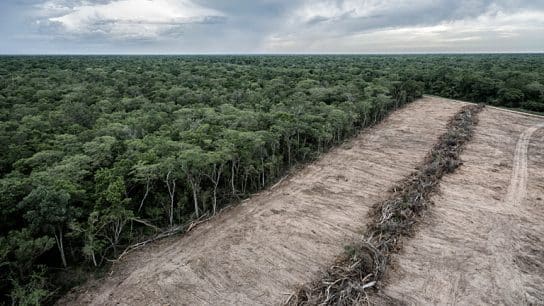
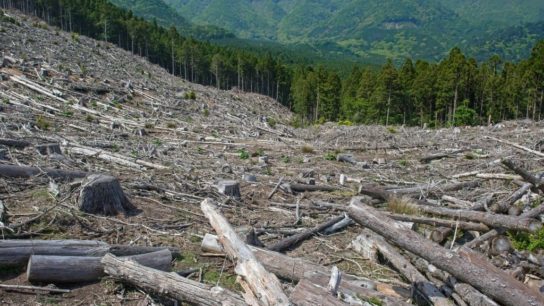
Sumatran tigers need large tracts of lowland rainforests to thrive. They need the richest, most biologically dense habitat in Sumatra, Indonesia, to roam, hunt, and safely raise their young. But this is exactly the type of land that is aggressively cleared for mining and agriculture. What remains after clearing isn’t just less forest – it is the wrong kind of forest, in the wrong shape and size for tigers to truly survive.
A tiger population cut off from others cannot sustain itself indefinitely. Genetic diversity erodes. A single disease outbreak – like the swine flu epidemic that decimated wild pig populations and starved tigers of their primary prey – can devastate an isolated group, with no means of recovery.
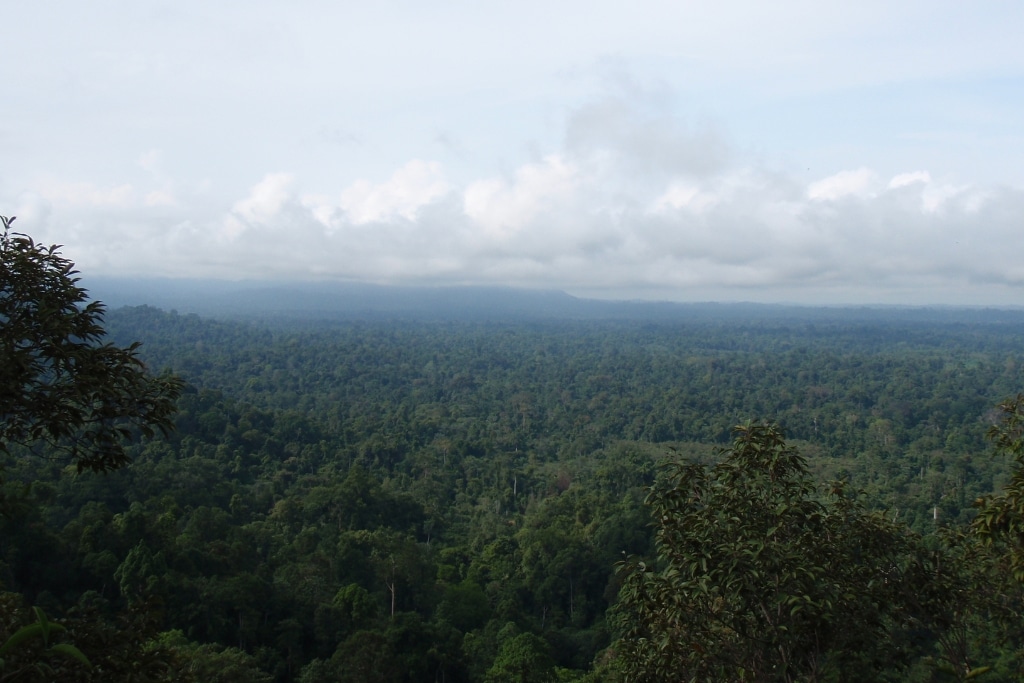
Small patches of forest cannot support tigers in the long-term. Viable habitat means vast tracts of rainforest spanning more than 200,000 hectares. The size matters. The shape matters. The type matters. Tigers need large, wide, lowland forests.
Right now, no single tiger population is large enough to be viable on its own. And it is likely that none will ever be. The solution needed is to manage Sumatra’s tigers as a single metapopulation: actively transferring dispersal males between protected ecosystems to maintain the genetic flow that isolated groups can no longer achieve on their own.
A Compound Crisis
The threats facing tigers do not operate in isolation. They amplify each other.
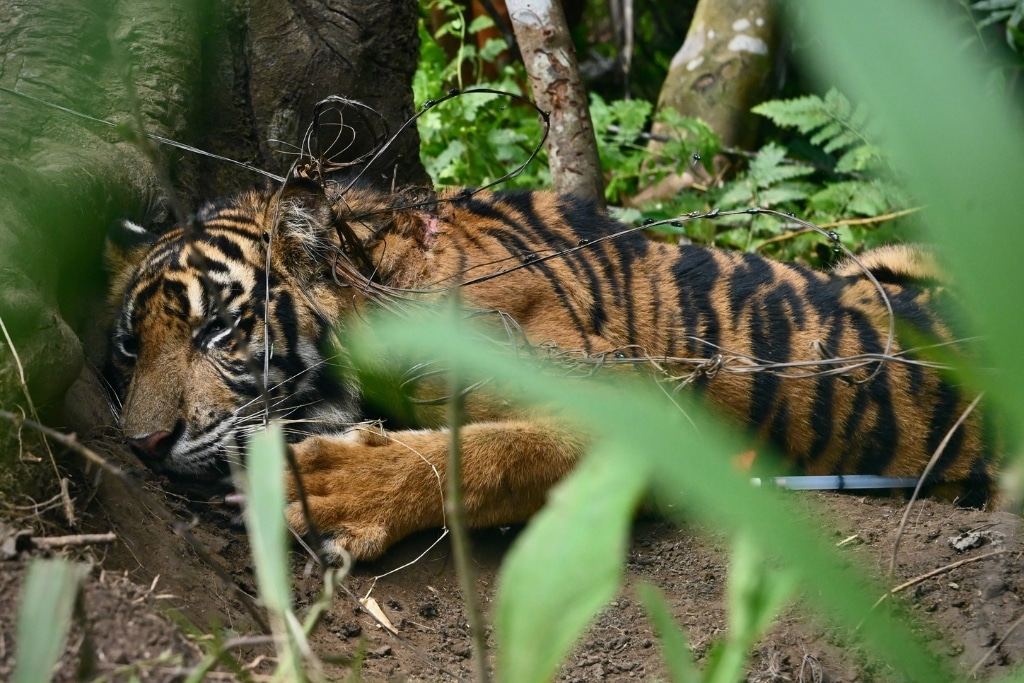
Habitat destruction shrinks the space tigers can safely occupy. Poaching directly reduces the number of tigers, driven by black market demand for tiger parts that reach global markets. The collapse of prey populations through poaching, snaring and disease means that even when tigers survive, they may not have enough to eat.
And as their habitat shrinks and their prey disappears, tigers move. They move into farmland, into villages. When this happens, both tigers and people are at risk. Communities face genuine danger, and tigers are killed in retaliation.
What Does It Take to Save Them?
Three main threats are driving Sumatran tigers towards extinction: habitat loss, poaching, and human-tiger conflict. Reversing that trajectory means tackling all three, simultaneously, to rebuild the conditions needed for long-term survival.
On the ground, it means rangers patrolling remaining ecosystems, removing snares, intercepting poachers, and using trail cameras to monitor tiger movements, the threats they face, and prey availability. It means identifying tigers that have strayed into human territory and, when necessary, relocating them to safer ground. It means securing the lowland rainforest areas that remain, and establishing sanctuaries large enough to be genuinely viable.
But none of this is sufficient without an additional element: the communities living alongside tigers.
Guardians of the Rainforest
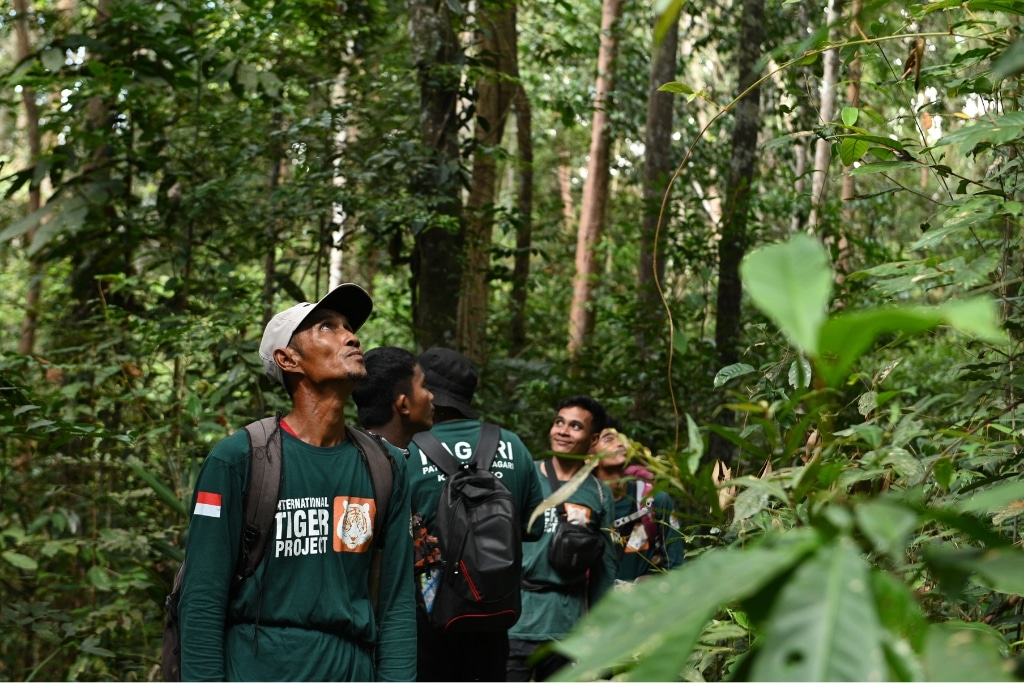
The people who live alongside tiger habitat are key to protecting. When local communities have a genuine stake in the forest’s survival – when they have the knowledge, the resources, and the economic security to coexist with tigers rather than compete with them – the dynamic changes.
Community members become guardians. They do not engage in poaching, and actively work to end it. They manage their land in ways that reduce conflict. They have the power to protect the land. And they pass on the knowledge and the values to the next generation.
That transformation does not happen through education alone. It requires real investment in the prosperity of these communities. Helping people build livelihoods that do not depend on clearing forest, and supporting them in navigating the very real challenges of living near one of the world’s most powerful predators.
The Stakes
The Sumatran tiger is not simply an animal worth saving because it is rare or culturally significant – though it is both of these things. Tigers are a keystone species in some of the most biodiverse ecosystems on Earth. Where tigers survive, the forest survives with them. Where tigers vanish, the ecosystem follows.
We have already watched two subspecies disappear in Indonesia. The Sumatran tiger is the last stronghold. The last chance to demonstrate that the slide towards extinction is not inevitable; that with enough commitment, enough resources, and enough willingness to do the harder work of genuine coexistence, it is still possible to hold the line.
That is what it takes. Not a single intervention, not a single protected area, not goodwill alone. But a connected, long-term effort to secure habitat, protect tigers, and build a future where the communities of Sumatra and its tigers can both flourish.
The International Tiger Project is actively working to make this happen. Securing and restoring lowland rainforest, supporting ranger patrols and anti-poaching operations, ending human-tiger conflict, and coordinating the metapopulation management needed to bring tiger numbers back to sustainable levels.
If you’d like to help save the Sumatran tiger, find out more on the International Tiger Project’s website. Your support will help save Sumatran tiger habitat, and protect the last remaining tigers from the threat of poaching and conflict.
This story is funded by readers like you
Our non-profit newsroom provides climate coverage free of charge and advertising. Your one-off or monthly donations play a crucial role in supporting our operations, expanding our reach, and maintaining our editorial independence.
About EO | Mission Statement | Impact & Reach | Write for us