
The vote to delay the closure of Italy’s coal-fired power plants came in response to the global energy crunch unleashed by the recent US-Israeli attacks on Iran.
—
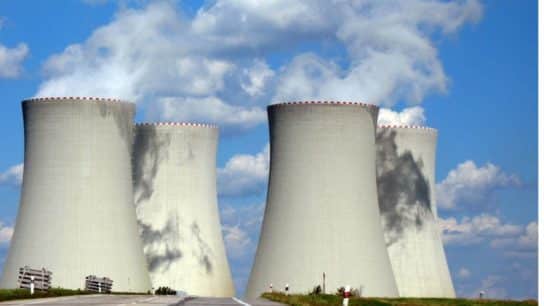
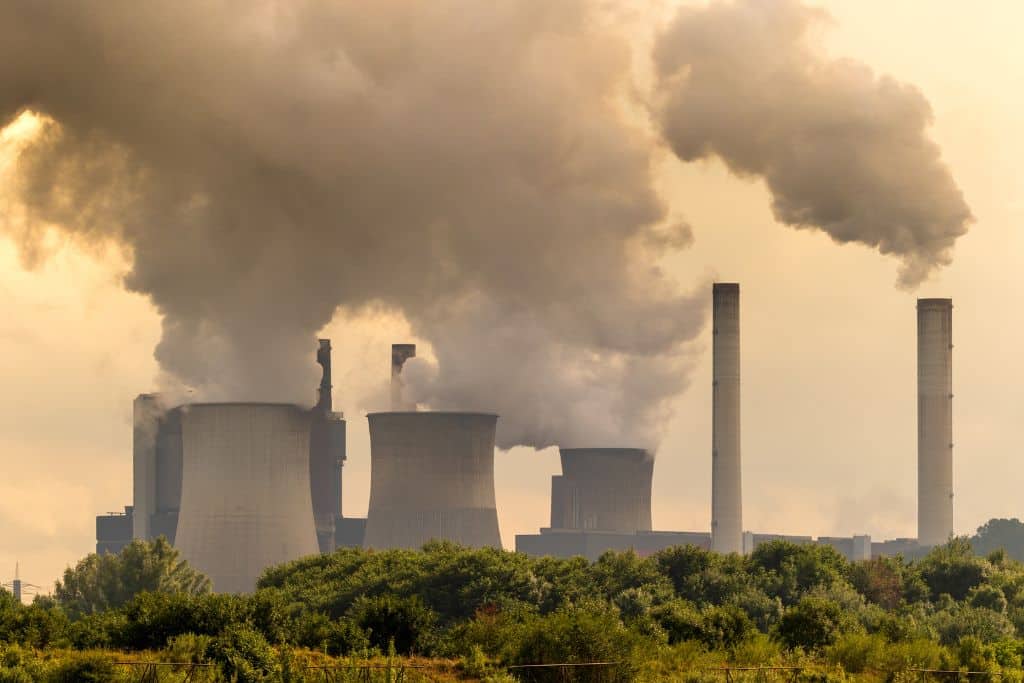
Italy is set to postpone the shutdown of its remaining coal-fired power plants until 2038, 13 years later than originally planned, as the global energy crisis unleashed by the US-Israeli attacks on Iran intensifies.
On Tuesday, the lower house of parliament voted to extend the life of the country’s four remaining coal-powered plants, which are currently on stand-by. The National Energy and Climate Plan, a ten-year plan provided by the European Union (EU) to member states to meet the EU’s decarbonization goals, had initially envisaged a shutdown by December 2025.
The text, promoted by Prime Minister Giorgia Meloni’s right-wing government coalition, now goes to the upper house, where it expected to pass.
Supporters of the text, including the right-wing populist League party, said it was “right and responsible” to delay the shutdown amid the “serious international energy crisis” unleashed by the war in Iran. In response to coordinated attacks by the US and Isreael, Iran blocked traffic in the Strait of Hormuz, one of the world’s busiest oil shipping channels. Some 20-25% of global oil supply typically passes through it, and Italy depends on the passage for about 21% of its total oil and gas imports.

But environmentalists say the move will harm climate progress in the country and affect people’s health. Coal, the cheapest and dirtiest fossil fuel, is the single-largest source of global carbon emissions and a major contributor to air pollution.
In a statement, Mariagrazia Midulla from WWF Italia said coal is a “real killer” of the climate and public health. Citing the success of Spain, which has established itself as a leading “green power” nation in Europe, she said the transition to 100% renewables will ensure true independence and energy security, as well as fair prices, for Italian consumers.
“Anyone who uses the energy price emergency to justify the approval of an amendment that keeps coal-fired power plants open until 2038 knows full well that it is just an excuse…” Midulla said.
Ultimately, experts suggest that as the energy crisis intensifies, nations with a robust renewable base embrace the energy independence it provides, while those tied to oil are pivoting to alternative fossil fuel sources. The latter is true for Italy as well as the US, which is leveraging the global supply shock to roll back climate protections and accelerate domestic production under the banner of national security.
Conversely, countries like Spain, Portugal, and the UK have been able to partially insulate themselves from the crisis through high renewable penetration. The UK, for instance, is leveraging record output from its wind farms to meet domestic demand while aggressively reducing its exposure to volatile fossil fuel markets.
In a report published last month, the Climate Change Committee, the government’s climate advisers, found that achieving the net zero by 2050 target will cost the UK less than a single oil shock.
More on the topic: Iran War Drives Massive Surge in Planet-Heating Emissions Amid Calls to Accelerate Transition to Renewables
This story is funded by readers like you
Our non-profit newsroom provides climate coverage free of charge and advertising. Your one-off or monthly donations play a crucial role in supporting our operations, expanding our reach, and maintaining our editorial independence.
About EO | Mission Statement | Impact & Reach | Write for us