



Last month, the fifth-warmest January on record, saw “contrasting temperature extremes” in both hemispheres, the Copernicus Climate Change Service (C3S) said on Tuesday.
—
Extreme heat and cold and erratic rainfall made January a month of weather extremes, weather agencies have said.
Globally, last month was the fifth warmest January ever recorded, with an average surface air temperature of 12.95C, 1.47C above the pre-industrial level, the Copernicus Climate Change Service (C3S) said on Tuesday. Temperatures were 0.28C cooler than the current warmest January, recorded in 2025.

But temperatures varied greatly across regions. Europe experiencing its coldest January since 2010 and the majority of the North American continent hit by bitterly cold temperatures as low as −43F (−42C), while parts of the Southern Hemisphere, including Australia, Chile and Patagonia, saw unusually intense heat that fueled devastating wildfires.
Meanwhile, south-eastern Africa, Indonesia, New Zealand and large parts of Europe experienced heavy rainfall in the latter part of the month, which triggered flooding and landslides, claiming dozens of lives. Mozambique was worst hit, with flooding affecting at least 650,000 people and destroyed or damaged at least 30,000 homes, according to Mozambique’s National Disasters Management Institute.
More on the topic: Early January Australian Heatwave Made 5 Times More Likely By Human-Caused Climate Change, Analysis Finds
According to the Intergovernmental Panel on Climate Change (IPCC), every 0.5C of global temperature rise will cause clearly discernible increases in the frequency and severity of heat extremes, heavy rainfall events and regional droughts.
“January 2026 delivered a stark reminder that the climate system can sometimes simultaneously deliver very cold weather in one region, and extreme heat in another. While human activities continue to drive long-term warming, these recent events highlight that resilience and adaptation to increasing extremes are key to prepare society for heightened climate risk in the future,” said Samantha Burgess, Strategic Lead for Climate at the European Centre for Medium-Range Weather Forecasts (ECMWF), which runs C3S.
Celeste Saulo, Secretary-General of the World Meteorological Organization, echoed Burgess’ words, calling for more investments in early weather warning systems. “The number of people affected by weather and climate-related disasters continues to rise, year by year, and the terrible human impacts of this have been apparent on a day-by-day basis this January,” she said, adding that “[d]isaster-related deaths are six times lower in countries with good early warning coverage.”
Winter Storm Does Not Disprove Climate Change
Climate change sceptics, including US President Donald Trump, used last month’s cold spell in North America to cast doubt on global warming. But climate scientists were quick to fast check these claims. They clarified that while extreme cold events still occur in a warming world, they are getting shorter and milder, both across the US and around the world.
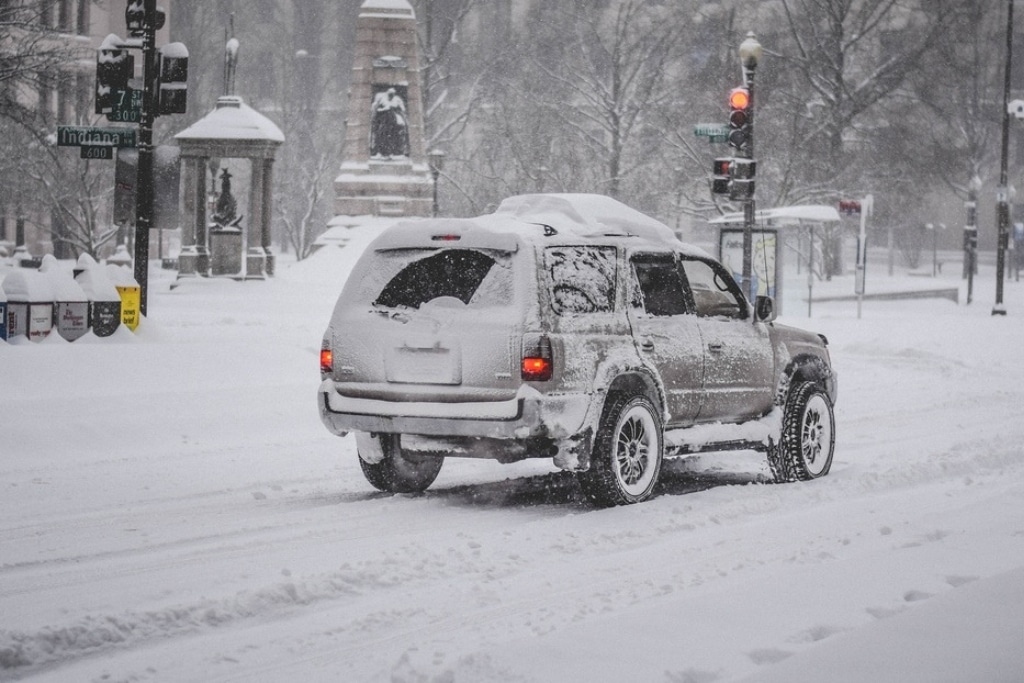
According to a Climate Central 2022 analysis of 244 US locations, since 1970, the coldest day of the year has warmed by 7F (2.8C) on average across 242 location. Meanwhile, the group found that winter cold snaps got shorter − by six days on average − in 97% of the 244 locations.
Daily or local weather is also not representative of long-term, global climate trends. In fact, the past 11 years have been the warmest in the modern era.
This story is funded by readers like you
Our non-profit newsroom provides climate coverage free of charge and advertising. Your one-off or monthly donations play a crucial role in supporting our operations, expanding our reach, and maintaining our editorial independence.
About EO | Mission Statement | Impact & Reach | Write for us