


Popi’s story reflects the wider crisis facing orangutans in Borneo and Sumatra. These great apes are Critically Endangered, with populations decimated by deforestation, palm oil expansion, hunting and the illegal pet trade.
—
The Borneo Orangutan Rescue Alliance (BORA) announces the successful release of Popi, a female orangutan rescued as an infant, into the Busang Ecosystem of East Borneo. After nearly nine years of intensive rehabilitation, Popi has now returned to her natural rainforest home.
BORA is a collaboration between The Orangutan Project, the Centre of Orangutan Protection and the Indonesian Ministry of Forestry.
Popi was confiscated in September 2016 from a household in the Sempayau village near a palm oil plantation, where she had been kept illegally as a pet. Likely orphaned after her mother was killed, she was just eight weeks old at the time of her rescue—completely dependent and highly vulnerable.

A Species Under Threat
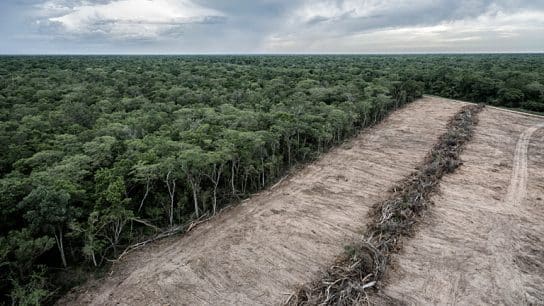
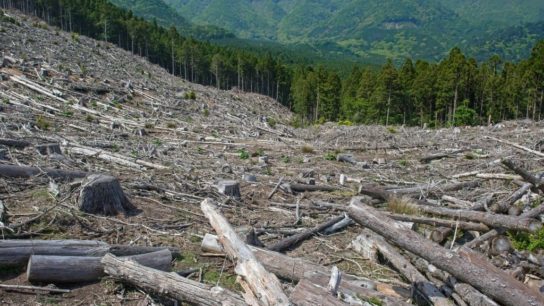
Popi’s story reflects the wider crisis facing orangutans in Borneo and Sumatra. These great apes are Critically Endangered, with populations decimated by deforestation, palm oil expansion, hunting and the illegal pet trade. Infant orangutans are often taken after their mothers are killed, leaving them traumatized and in need of long-term care.
In the wild, young orangutans suckle from their mothers for up to eight years, while learning vital survival skills such as nest building, climbing and foraging. In captivity, orphans like Popi miss out on this critical learning period. To fill that gap, BORA’s dedicated staff act as surrogate mothers, providing round-the-clock care and gradually teaching the skills necessary for independent life in the forest.
You might also like: Beyond Rescue: The Intensive Rehabilitation of Rescued, Orphaned Orangutans
From Rescue to Release
During her rehabilitation, Popi progressed through Jungle School, where she learned to climb confidently, forage for natural foods and build secure nests. She developed important social bonds with other orphaned orangutans, which supported her emotional recovery. In May 2025, she was transferred to a forested pre-release island, where she refined her survival skills in preparation for release.

On 10 August 2025, Popi was transported to the Busang forest by road and river. Upon arrival, she was released deep in the rainforest and immediately climbed into the canopy, demonstrating her readiness for life in the wild. Monitoring teams will continue to observe her transition to ensure her long-term success.
In a heartwarming development, Popi was reunited with Mary and Bonti, two female orangutans released earlier this year. Their immediate recognition and bond underscore the importance of social connections in orangutan rehabilitation.
A Testament to Conservation Efforts
“This release represents the culmination of years of dedicated care and the unwavering support of our partners and donors,” said Leif Cocks, Founder of The Orangutan Project.
“Popi’s return to the wild is a powerful reminder of what is possible when we work together to protect and restore orangutan populations. Every orangutan rescued, rehabilitated and released back to the wild helps to ensure the genetic survival of the species. Each successful release is not just a triumph for the individual, but also a critical step in securing the future of these great apes in their natural habitat.”
The release of Popi highlights both the fragility and resilience of orangutans. With Bornean orangutans being Critically Endangered, urgent action is needed to address habitat destruction and the illegal wildlife trade. Rehabilitation programs, community engagement and forest protection remain essential to ensuring that orangutans like Popi have a future.
Featured image: The Orangutan Project.
Read more from The Orangutan Project, an Earth.Org NGO Partner.