

Ecosystems worldwide face intense degradation and significant biodiversity loss due to human pressures. The disappearance of key species disrupts food chains and natural equilibria. Rewilding stands as a promising solution to ecological restoration, with one of its key goals being the reintroduction of lost predators to their original habitats and the reduction of human impact on their survival. The “Saving Wildcat” project is, to this end, actively working towards the return of the wildcat in the Scottish Highlands.
—
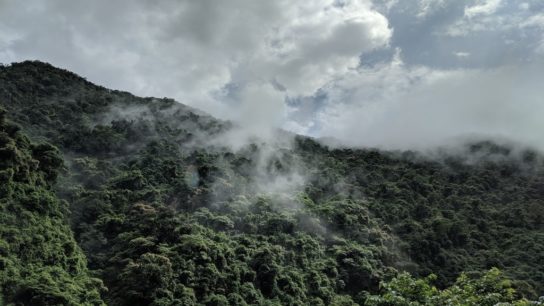
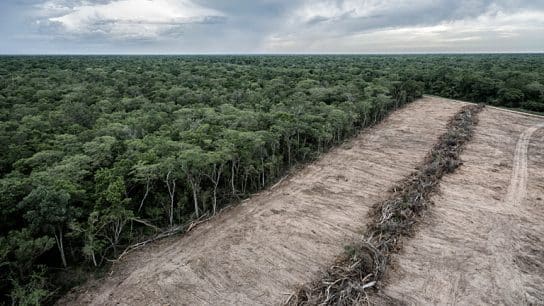
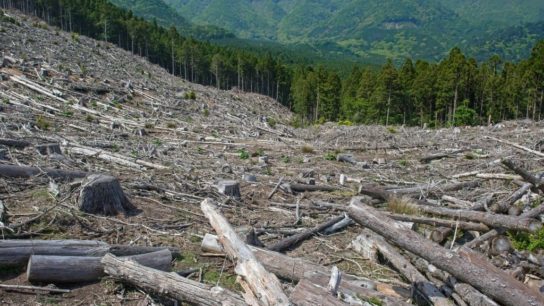
75% of Earth’s land surface is estimated to be experiencing severe and widespread human pressures, especially in high biodiversity areas. Predator control and excessive land use are thinning predator populations, endangering trophic chains and the health of ecosystems.
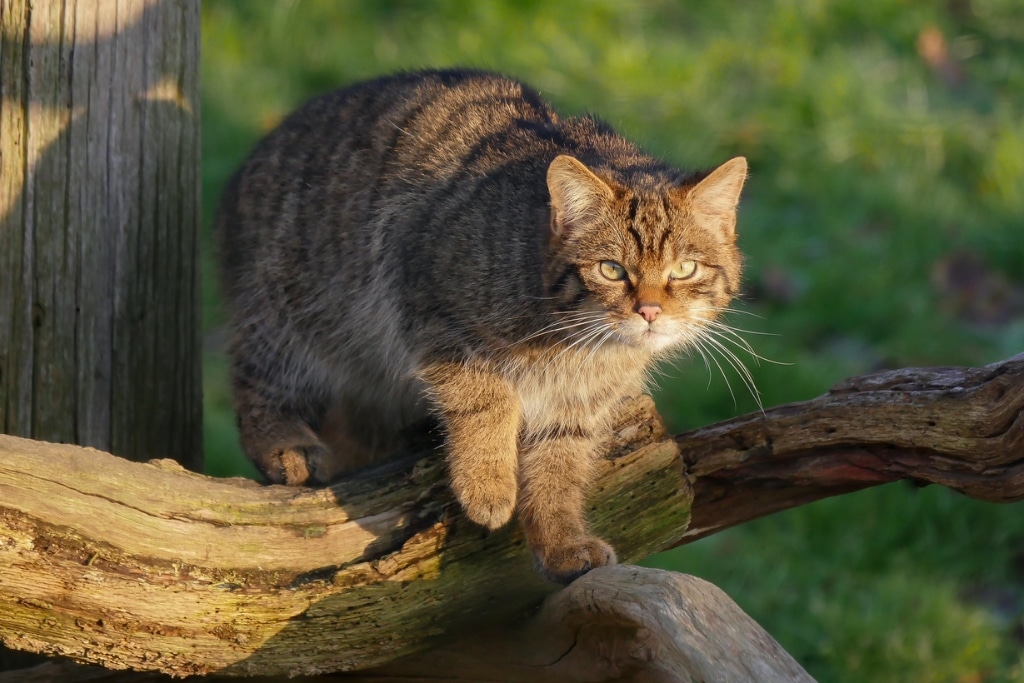
The fierce and stealthy wildcat (Felis silvestris) has been reduced to the brink of extinction in England, and forced to survive as a fragmented and severely hybridized population in the wildest areas of Scotland, such as the Cairngorms.
Once widespread across the whole of mainland Britain, the exclusively Scottish wildcat, “an iconic and much-loved native species in Scotland,” as former Scottish Minister for Green Skills, Circular Economy and Biodiversity Lorna Slater defined it, has become scarce and highly indistinguishable from common tabby cats, from whom it might not be more distant in spirit and temperament.
Can we actually save this elusive mammal now that crossbreeding with feral or pet cats has reduced its population to a hybrid swarm?
A Rewilding Rescue for the Wildcat
Saving Wildcats, a project funded by the European Union LIFE program and run by the Royal Zoological Society of Scotland (RZSS) in collaboration with NatureScot and other partners, is helping the wildcat return by reintroducing captive-bred individuals in the Cairngorms National Park. It is the only hope of making this species’ comeback come true. In the span of three years, over 35 wildcats were released in the wild and the first wild-born wildcat kittens made their return in the area. A key part of the project consists of reducing hybridization threats. To this end, hundreds of hours were spent to trap pet and feral domestic cats for neutering.
The ultimate goal, according to NatureScot Mammal Specialist Roo Campbell, is to set up a population of wildcats able to thrive on its own, without continuous human intervention to secure its survival. Rewilding, in fact, aims to render ecosystems resilient and self-sufficient, making nature – and not humans – the long-term leader of the enterprise.
Predators like the wildcats are functionally essential to ecosystems like woodlands to check herbivore populations, overgrazing and the survival of plants. Yet, understanding the socio-economic and cultural impact of returns of these species is crucial to supporting rewilding initiatives. These need to be socially just, other than ecologically sustainable.
Helen Senn, Head of the Conservation and Science Programmes at the RZSS, has emphasized the importance of educating people to “let wild animals be and do their own thing.” Human-wildlife conflict is a genuine matter to tackle, and all people involved in and impacted by rewilding initiatives need to listen to each other and feel fully part of a journey beneficial for all, she said.
Humans’ Role in Rewilding
Over the last couple of decades, rewilding has taken on several meanings, context- and use-specific.
Historically, it meant restoring “wilderness” (especially in relation to large species), implying the removal of human presence and control in certain areas. In its more modern form, however, it brings about the restoration of natural wildness: the basic ability of living things to organize and renew themselves on their own. More than a clear-cut exclusion of humans out of the natural equation, limited human management of natural processes can assist nature’s recovery towards its self-regulation.
Within their first six months, the newborn wildcat kittens live in protected enclosures within the Conservation Breeding and Release Centre. They are later moved to separate dispersed enclosures, where they become behaviorally competent and physically fit for release in the wild.
“The way I see it, the breeding centre is like a primary school. In the dispersed enclosures the difficulty kicks up a notch, as if the wildcats are in university. They prepare for their release in the wild, which is the real job,” explained Estelle Morgan, the ex-situ Animal Leader of the Saving Wildcat project.
Even if the project aims to reduce human keepers’ presence and discourage humane connections with wildlife, it is clear that “if wilderness leaves no place for human beings, it can offer no solution to the environmental and other problems that confront us,” said American environmentalist historian William Cronon.
In the long run, the key to rewilding is making its meaning and impact clear to the communities involved, through rewilding initiatives and open communication with all parties involved, as Saving Wildcat Field Operations Manager Louise Hughes pointed out. Sharing the work with local communities is a focus of the project, as seen in the documentary film Clinging by a Claw, which premiered last month in select venues across Scotland.
To use the words of author J. B. McKinnon, to avoid disconnecting ourselves more with each passing generation, “we need only to remember, reconnect and rewild. But in that order: first, we have to recall what nature once was.”
Featured image: Sue Cro/Flickr.
You might also like: Harmony in Nature: The Vital Role of Keystone Species in Human-Wildlife Coexistence
This story is funded by readers like you
Our non-profit newsroom provides climate coverage free of charge and advertising. Your one-off or monthly donations play a crucial role in supporting our operations, expanding our reach, and maintaining our editorial independence.
About EO | Mission Statement | Impact & Reach | Write for us