

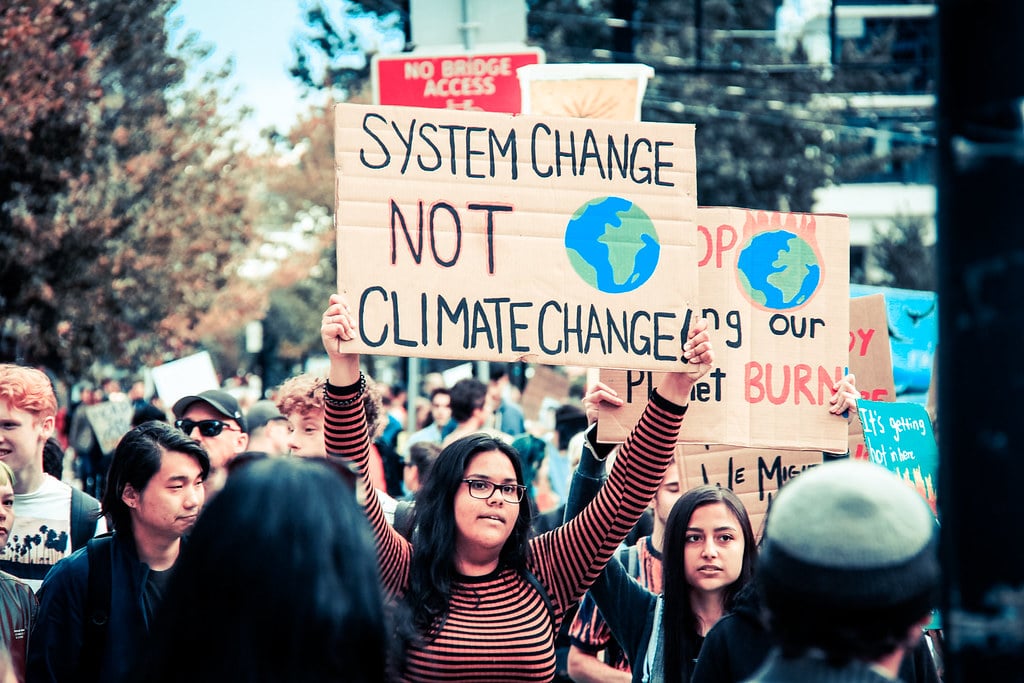
“It’s a shame that our past selves chose not to pursue green growth. But our present selves also have a choice. We can start cutting emissions, or we can choose to delay,” writes Basel Kirmani.
—
By Basel Kirmani for the Green Women Festival 2026
I sometimes play the “butterfly effect” game, in which I think how different life would be today if a small change had been made a few years ago.
Perhaps in an alternate history I would not have been placed in Mr. Jones’s chemistry classes. Mr. Jones was a wonderful teacher, who nurtured my love of chemistry; his classes are why I ended up studying chemistry at university. I eventually moved to Hong Kong to become a chemistry teacher, where I fell in love, married, and settled down. Had I had a less inspiring teacher, perhaps I would instead have gravitated to Ms. Delphine’s French classes, made different career choices, ended up living in Quebec instead of Hong Kong, missing my soulmate along the way. Mr. Jones certainly changed the trajectory of my life. Maybe there’s a Mr. Jones in your life.
Let’s think bigger. Perhaps in an alternate 1970s, Wall Street bankers never came up with the idea of trading securitized mortgages; that trading is considered the first domino in the chain that resulted in the financialization of housing, which led to houses being treated as investments instead of mere homes. Had the Baby Boomer generation not been incentivized to treat homes as wealth engines, maybe housing would be more affordable today, and younger generations would be spending less of their incomes on rent, enabling them to have children earlier. In other words: perhaps today’s lacklustre birth rates are attributable to a Wall Street idea from the 1970s.
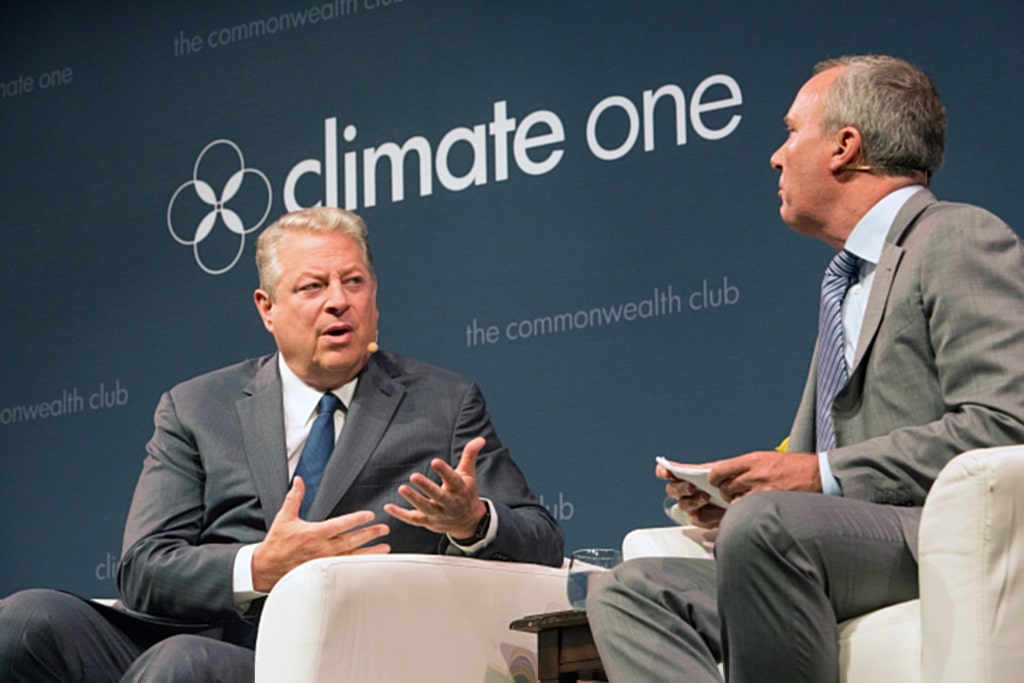
One more example, this time on a planetary scale. Perhaps a less confusing ballot layout in the 2000 US presidential election would have resulted in Al Gore being elected, instead of George W. Bush. Al Gore, famously an advocate of climate change action, might have sent the US on a pathway that deprioritized the extraction and consumption of fossil fuels and instead prioritized clean energy. Maybe an Al Gore presidency would have set the US on a path of dominating the clean energy supply chain in the way that China has.
It’s fun to speculate how seemingly small actions 25 years ago had the potential to make huge impacts on our lives today. It’s easy to forget that actions we take today will have a huge impact 25 years from now.
2050 is the year I intend to be settling into an enjoyable retirement. My children will hopefully be entering their peak earning years. Maybe our family might have the means to fulfill the dream of a lifetime and go on a safari.
To a certain extent I already try to make decisions for a better 2050. I put money into a retirement savings account (if it performs well I might be able to afford that safari); I try to give my kids a good education so that they will hopefully get good degrees, and hopefully those will help them find good jobs.
But if climate change, plastic pollution and biodiversity loss continues unabated, the world of 2050 will not be as enjoyable as I would like my retirement to be. Even if my pension fund makes a ton of money, it won’t be much fun if climate change has killed off safaris.
2050 is the year which, according to climate scientists, the world needs to emit net-zero carbon emissions in order to limit the worst effects of climate change. In the shorter term, 2030 – four years and 9 months from now – is the deadline for us to slash carbon emissions by half.
If we started cutting emissions in April 2026, the world would need to eliminate 10% of its emissions per year. That’s approximately 400 million tons of greenhouse gas emissions per month. We’d need to find 50kg of greenhouse gas emissions per person on the planet per month, every month. Of course, those with higher emissions would need to be on the hook for commensurately more.
The IPCC – the world’s most authoritative scientific body on climate change – first identified the need to reduce emissions in 1990. Had the world chosen green growth using energy efficiency, cleaner fuels and better technology then, perhaps today we’d only need to find 10kg of carbon savings per person per month. But that ship has long sailed.
It’s a shame that our past selves chose not to pursue green growth. But our present selves also have a choice. We can start cutting emissions, or we can choose to delay. If we do decide to kick the can down the road, and only start reducing emissions in April 2027, we’d need to reduce 500 million tons per month – 60kg per person per month – making the job 20% harder for our future selves.
Just like Mr. Jones, 1970s Wall Street traders and Floridian voters, the choices we make today will reverberate into the future. The butterfly effect is not just a thought experiment about the past – it informs the choices we make today as the foundation for our future.
—
Earth.Org is Media Sponsor of the Green Women Festival 2026, Hong Kong’s leading event to celebrate sustainability, gender equality, and women’s leadership. The festival returns this spring at Eaton HK on April 18-19. Join powerful talks, dialogues and hands-on workshops, and immersive spaces that celebrate community and climate action. Get your tickets here.