


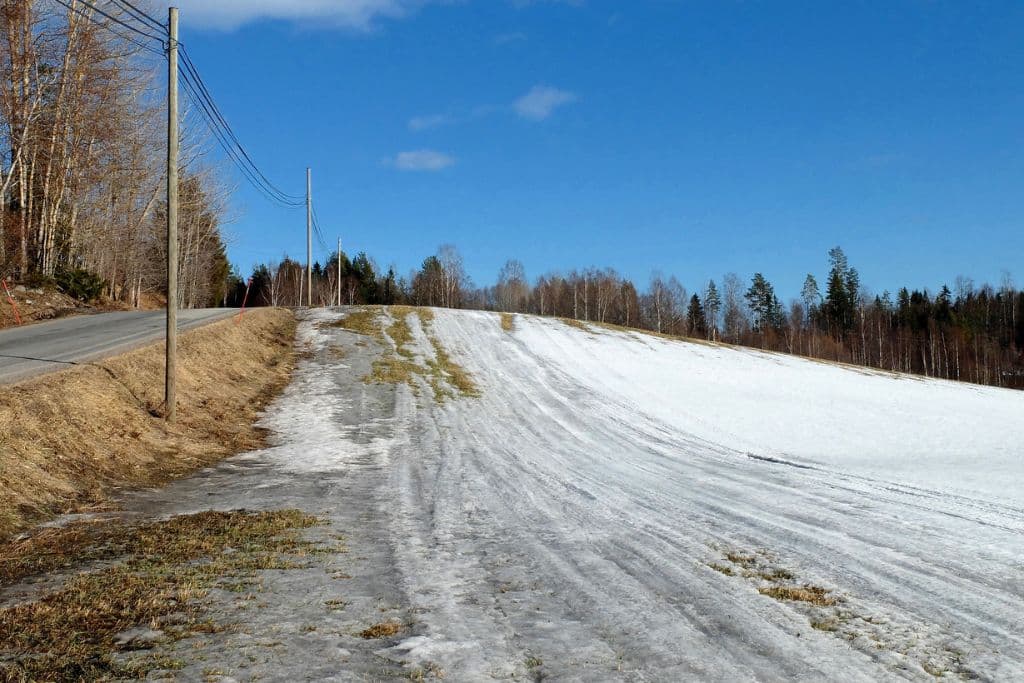
The US ski season is starting later and ending earlier, raising concerns for the future of US ski tourism in a part of the world that welcomes the largest number of skiers in the industry.
—
Skiing and snowboarding are some of the most popular recreational sports in the world. In Colorado alone, visitors to the Rocky Mountain Region resorts hit 14 million in the 2023-2024 ski season. Millions of people in America and across the globe frequent US ski resorts to hit fresh powder with breathtaking views. Unfortunately, tourists are feeling the long-term effects of global warming, which impacts snow coverage, shortening the winter ski season.
From 2000-2019, the average ski season in the US has shortened by 5-7 days, with the number expected to double and possibly even triple by 2050. These developments raise concerns about the long-term impacts of global warming on the industry, as US ski resorts lose income in light of late openings, early closures, and machine-made snow.
Escalating Concerns About Climate Change
The consistency of snowfall is key to supporting local, national, and international guests to ski resorts in the Midwest and the Northeast US. In the 1970s, early signs of climate change started trickling in and challenging the methods of existing resorts that had limited snowfall. Vail Resorts, a popular conglomerate of ski areas in North America that include Vail, Breckenridge, Keystone, Beaver Creek, and Crested Butte, reported an 8% decline in visits across the 2023-24 ski season as a result of an annual 28% decline in snowfall.
2024 was the warmest year on record, which explains the urgent need for machine-made snow to keep the ski season running on its normal schedule. Machines that once only generated 41% of ski areas across the Midwest and Northeast now assist 89% of ski areas across the country.
Some have suggested turning to dry slope skiing as a means to keep sports going and to encourage the industry to be more sustainable. The planet continues to warm at increasing rates, leaving skiers and tourists with concerns about the future of this beloved winter sport.
Increasing Dangers of Climate-Induced Icy Conditions
According to the National Snow and Ice Data Center (NSIDC), the combination of warm days and cold nights in places like Colorado leads to icing overnight and uncontrollable conditions that can create a hazardous skiing experience. Some of the dangers of inconsistent temperatures include hoarfrost and depth hoar, conditions that worry skiers and take away from the powdery snow that tourists look forward to every year.
The most ideal snow that creates a pleasurable skiing experience has low water content, with about 8 or more inches of fresh snow powder. But milder winters in the Rocky Mountains and the Sierra Nevada have resulted in higher water content in snow, which has cement-like consistency. This type of snow freezes around 32F (0C) and can be hard to ski through because it feels like slogging through cement.
Decreasing Ski Tourism Revenue
The US ski industry has collectively lost $5 billion from 2000-2019 as a result of climate change from human activities, and could lose another $1 billion a year in the 1950s depending on global emissions reduction efforts. Winter activities that once boosted local economies are now seeing a drastic loss in numbers of tourists and visitors. While impact is being felt by countries all over the world, in the current political climate, the US industry is poised to suffer in the years and decades to come.
Outlook
The challenges posed by climate change present a formidable threat to the US ski industry, jeopardizing not only the economic livelihoods of those involved but also the cherished traditions and recreational opportunities that have defined winter sports in America for generations.
As temperatures rise and snowfall patterns become increasingly unpredictable, ski resorts must adapt and innovate to mitigate the impact of these changes. Collaborative efforts between industry stakeholders, policymakers, and environmental advocates are essential to safeguarding the future of skiing in the US and preserving the natural beauty of our snow-capped mountains for generations to come.
More on the topic: Adapting to a Warmer World: How Ski Resorts Are Thriving With Innovative Strategies
Featured image: Keith Bryant/Flickr.
This story is funded by readers like you
Our non-profit newsroom provides climate coverage free of charge and advertising. Your one-off or monthly donations play a crucial role in supporting our operations, expanding our reach, and maintaining our editorial independence.
About EO | Mission Statement | Impact & Reach | Write for us