


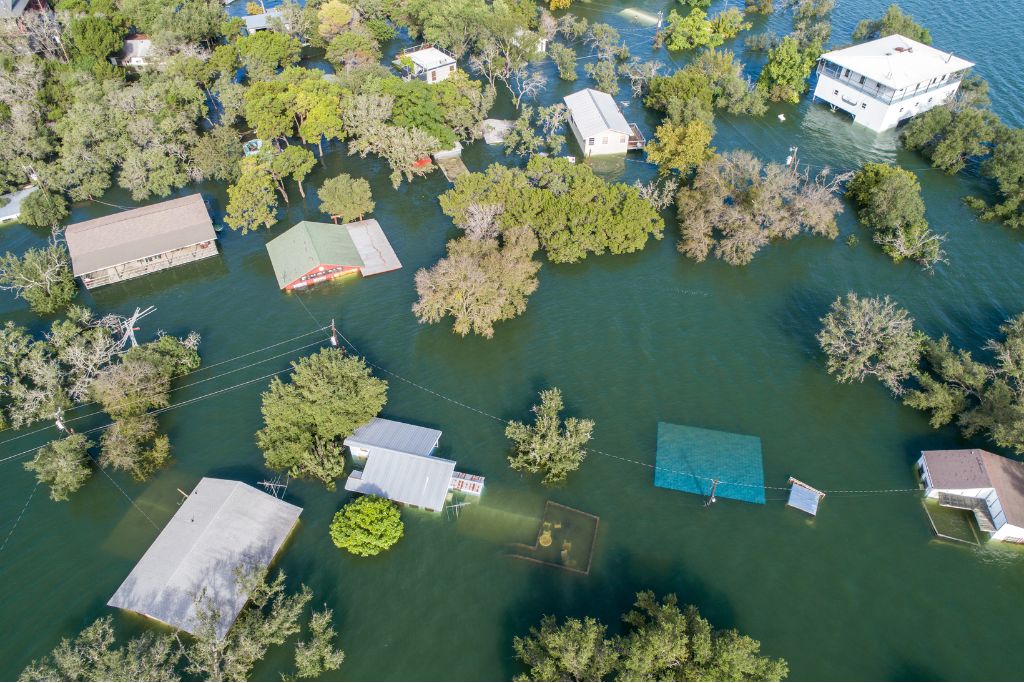
Spring break in Hawaii took a dangerous turn when consecutive Kona low storms struck the state last month, triggering widespread flooding and emergency alerts.
—
Over 400 homes destroyed with total damages exceeding $1 billion, thousands of people evacuated, and hundreds rescued from rising floodwaters. These numbers represent the tragic aftermath of the recent flooding in the US state of Hawaii.
What was intended to be a relaxing spring break for students, families, and tourists turned into one of the worst flooding events in the state’s history. According to Governor Josh Green, the consecutive Kona low storms – the name subtropical weather systems take in Hawaii – resulted in destruction not seen in 20 years.
Disaster and Displacement
The first storm struck on March 13, bringing record rainfall and flash flood warnings across the Big Island as well as the islands of Oahu, Maui, and Kauai. This first Kona low storm, a winter low-pressure system characterized by wind and rain from the south or southwest, moved across the islands, triggering flooding, landslides, and power outages affecting more than 100,000 residents. Torrential rain and strong winds persisted throughout the week. By March 20, when another Kona low storm moved across the islands, the ground was already oversaturated.
As a result, water began flooding homes, cars, offices, and businesses. Over 5,500 were told to evacuate from Oahu’s North Shore. In Waialua and Haleiwa, two historic communities of the area, people criticized authorities over evacuation delays, claiming that they were not alerted until their cars were already floating in floodwaters.
While no deaths were reported, of those rescued on Oahu’s North Shore, 10 were hospitalized after suffering from hypothermia from prolonged exposure to cold floodwaters.
With weather slowly improving, the focus is now shifting onto the environmental impact of the floods.
Agricultural Damage
For Hawaii’s farmers, the floods have come at both an economic and environmental cost.
On Oahu’s North Shore, Maui, Molokai, and the Big Island, more than $10.5 million in crops were lost within hours.
Unlike many farmers on mainland US, most of Hawaii’s farmers do not have insurance to protect them from losses. In fact, only about 3% of the state’s farms – or about 225 farms – have federal crop insurance. The recent floods mean that most farmers in Hawaii will have to bear the cost of the damage themselves.
Insurance is notoriously unaffordable for farmers already struggling to meet the cost of living in the state. Basic federal insurance per crop comes at about $655 annually, with higher premiums for more crops and more protection. Unable to pay such fees, most farmers are forced to opt out of insurance, making them vulnerable to extreme weather events that climate change is making more frequent and intense.
But the impact of the floods is also cultural.
According to the 2022 US Department of Agriculture census, nearly 1,000 farmers in Hawaii identify as Native Hawaiian or Pacific Islander. Many of them are heavily invested in traditional agricultural practices such as kalo (taro) cultivation, upholding the Indigenous belief that the taro plant is sacred. Despite ongoing development and tourism, this tradition remains strong, with taro playing an important role in the production of poi, bubble tea, chips, and curries.
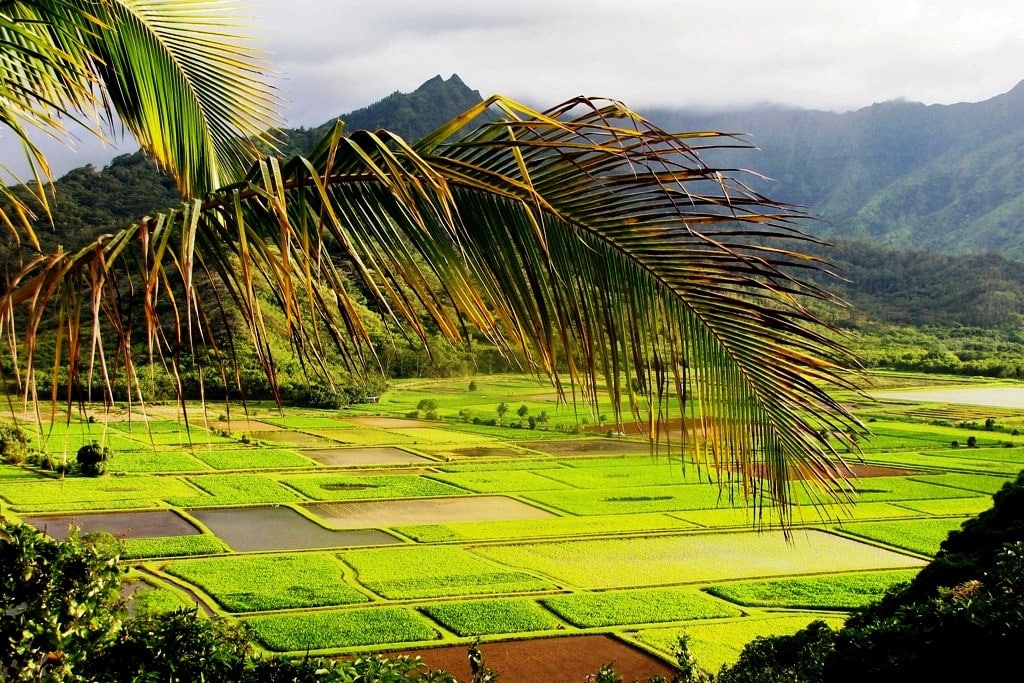
Last month’s flooding damaged taro fields, covering them in mud and reducing harvests. This slows recovery and threatens both the taro supply and the continuation of cultural traditions. Indigenous food systems in Hawaii are not only culturally relevant but also critical to the long-term food security and sustainability of the state. Damage to loʻi (taro patches), cabbage patches, mango trees, and other crops has disrupted food production and irrigation systems, with recovery expected to take several weeks.
More Than Just a Flood
Although Kona lows are common in Hawaii, the extent of the environmental destruction caused by the recent storms and their heavy rainfall was beyond imagination.
Beyond damaging crops and wildlife habitats, floodwaters also carry pesticides, herbicides, sewage, and industrial pollutants, which originate from agricultural land runoffs. Oahu’s Waialua coral reefs and Maui’s Kihei reefs are still covered by muddy waters laced with pesticides and toxins. Corals covered in mud and sediments typically die within days, and those still alive in the muddy water face potential death without direct access to sunlight.
Additionally, corals hit by strong waves at Oahu’s Kewalo surf break and Maunalua Bay’s Turtle Canyon broke apart with the impact. Upon inspecting Turtle Canyon, a nursery where scientists were growing healthy coral in the hope that they would multiply, experts said the mud and toxins may have weakened the salinity of the water and thus also the ability of coral offspring to survive.
The toxic runoff and mud not only affect the life span of the corals, but also of the reef fish that depend on the coral for survival. As researchers wait to see how much of the coral reef will survive, only one thing is certain: without better runoff management, flooding will continue to carry mud and toxins straight into the ocean.
A Warning for the Future
The catastrophic flooding is not an isolated event, but one of many weather-related disasters that are becoming more frequent and intense as the climate crisis worsens. For places like Hawaii, where communities depend on the land and water for food and tourism, the effects of flooding are far-reaching and difficult to recover from.
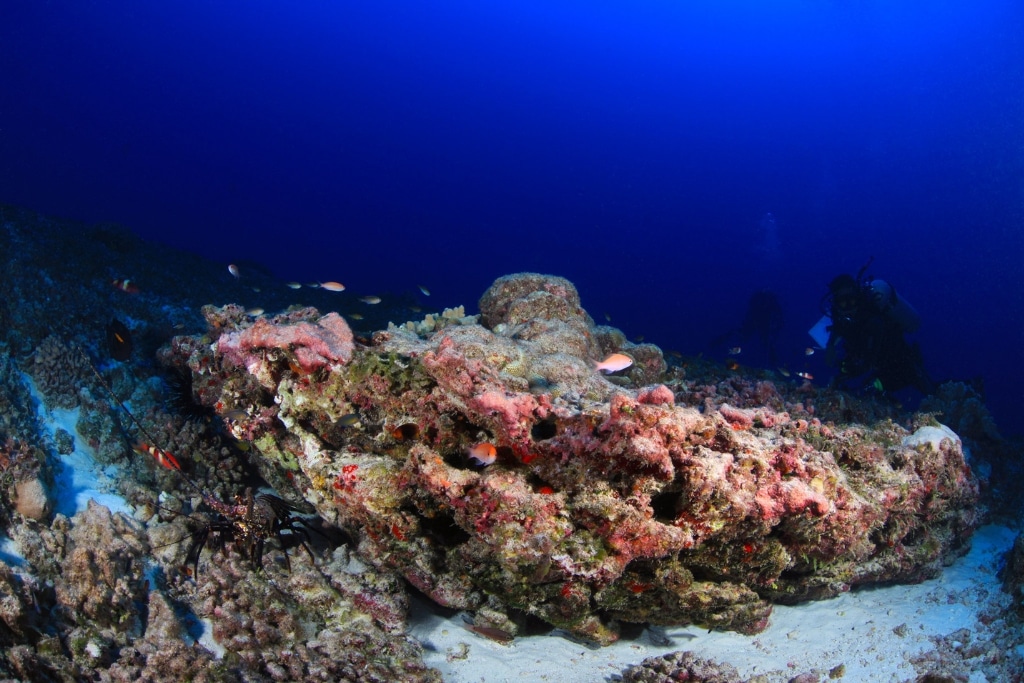
The recent floods are a stark reminder that climate change is here and is having effects on our planet and our lives, including for our marine life and human health. The runoff into the oceans that occurred during this event now challenges coral reefs, which already suffer from coral bleaching and ocean acidification. Without managing the runoff before it reaches the oceans, coral reefs off the coasts of the Hawaiian islands and the species that rely on them face an uncertain future.
What’s Next?
This event brings with it opportunities to implement solutions to improve runoff management and protect coral reefs, and to make insurance more accessible and affordable for local farmers.
Conservationists are beginning to think about creating fish ponds along the south shore of Oahu to capture sediment before it reaches the oceans and damages coral reefs. On the island of Molokai, fish ponds Alii and Kalokoeli already protect the coral reefs by harboring fish populations which are essential for healthy coral ecosystems, and by fortifying the shore against storms, flooding, and rising sea levels. Solutions such as this one are necessary in the fight to preserve the coral population and protect the reef from foreseeable future storms. In Hawaii, the health of the environment and the health of the people are inextricably tied. As these flooding events have demonstrated, if one is threatened, the other is as well.
The time for action, not reflection, is now. Whether you are in the state of Hawaii or thousands of miles away, you can make a difference in the recovery process and the rebuilding of the environment. Join organized cleanup efforts helping restore communities and shorelines; contribute to the restoration of traditional loʻi (taro patches) and Native Hawaiian food systems; or directly support farmers and communities affected by the floods through donations.
This story is funded by readers like you
Our non-profit newsroom provides climate coverage free of charge and advertising. Your one-off or monthly donations play a crucial role in supporting our operations, expanding our reach, and maintaining our editorial independence.
About EO | Mission Statement | Impact & Reach | Write for us