

Fewer than 1,000 Sumatran elephants remain in the wild. Every injury, every untreated wound, every avoidable death reduces that number even further. This is why, when a wild elephant was spotted in North Sumatra limping and in distress, a team mobilized without hesitation.
—
By Leif Cocks
That team is the Wildlife Ambulance, a mobile veterinary service that has become one of the most important forces standing between Critically Endangered Sumatran elephants and their extinction. Part rescue vehicle, part field hospital, part classroom, it operates across some of Sumatra’s most remote terrain, reaching elephants and other wildlife that would otherwise have no chance of survival.
When the Wildlife Ambulance reached the distressed wild elephant in the forests of the Leuser Ecosystem in North Sumatra, Indonesia – one of the richest, most ancient tropical rainforests in Southeast Asia – they were able to safely sedate him to assess and treat his wounds. An examination of the animal revealed stab wounds at the base of his tail, his left hind quarter, and the pad of his left hind foot. The shape and depth of the injuries pointed almost certainly to a confrontation with a larger, tusked male.
His wounds were serious. The gash on his foot was roughly 12 centimeters long, 20 centimetres deep, and severely infected. He was in agonizing pain. The team cleaned the wound, applied local antiseptic and administered antibiotics. For this elephant, urgent help may well have been the difference between survival and death.

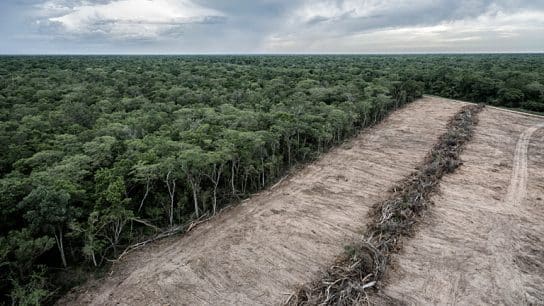
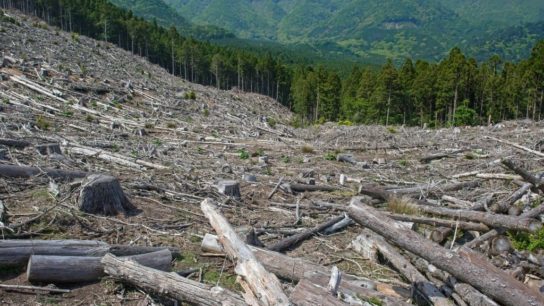
This scenario, however, is not an isolated incident. It is a pattern that repeats across Sumatra with sobering regularity. As forests are cleared for agriculture, mining, and expanding settlements, elephants are pushed into closer contact with each other and with humans, increasing the risk of injury, conflict, and death. Without trained wildlife veterinarians and equipped teams like the Wildlife Ambulance, injuries that are treatable become fatal. This wild elephant was one of the lucky ones.
“When an injured elephant is found, every hour counts. The Wildlife Ambulance exists because we refuse to accept that these animals should die from wounds we have the knowledge to treat,” said Leif Cocks, a Conservationist and Founder of the International Elephant Project (IEP).
The Next Generation of Wildlife Defenders
Emergency rescues, though urgent, are only part of what the Wildlife Ambulance does.
Sumatra has just one wildlife veterinary clinic, and opportunities for specialized wildlife training are extremely limited. When there are no people able to respond to these crises, no vehicle or equipment can fill the gap.
That’s why the Wildlife Ambulance, run in partnership with the International Elephant Project and Syiah Kuala University, and led by IEP Senior Veterinarian Christoper Stremme, has made education central to its mission.

In January, the team conducted a two-day seminar for final-year veterinary students completing their clinical internships. The first day covered classroom essentials, like safety procedures, clinical examination techniques, drug administration, and blood sample collection. The second day took students into the field for hands-on training with elephants, including elephant footcare. Indeed, maintaining healthy feet is critical to the long-term health of both captive and wild elephants, and one that requires real confidence and knowledge to perform safely.
Over the past six months, the Wildlife Ambulance has delivered 19 two-hour lectures on elephant, primate, and wildlife medicine, reaching 180 veterinary students and covering topics like treatment, nutrition, and welfare. Two separate intensive practical training seminars were also held – one for 27 veterinary and paramedic students and another for 20 final-year vet students. The team also presented at a conference, delivered an online lecture, and hosted a webinar on deadly diseases that pose a serious and growing threat to elephant populations worldwide.
Each student who completes this training carries that knowledge forward – into the clinic, into the forest, and into the field to save lives. The Wildlife Ambulance is not just saving individual elephants; it is building a network of people who will protect them for generations.
“Saving elephants today is urgent. But training the next generation of wildlife vets is how we ensure elephants have a future beyond our own efforts,” said Cocks.
A Species We Cannot Afford to Lose
Sumatran elephants are ecosystem engineers. They shape forests, disperse seeds, and support the biodiversity that countless other species, including people, depend on. Lose elephants, and the ripple effect extends far beyond a single species.
Yet their future is increasingly fragile. Deforestation continues to fragment habitat, isolating herds and forcing elephants into dangerous proximity with humans. Snares, conflict injuries, and disease are threatening their survival.
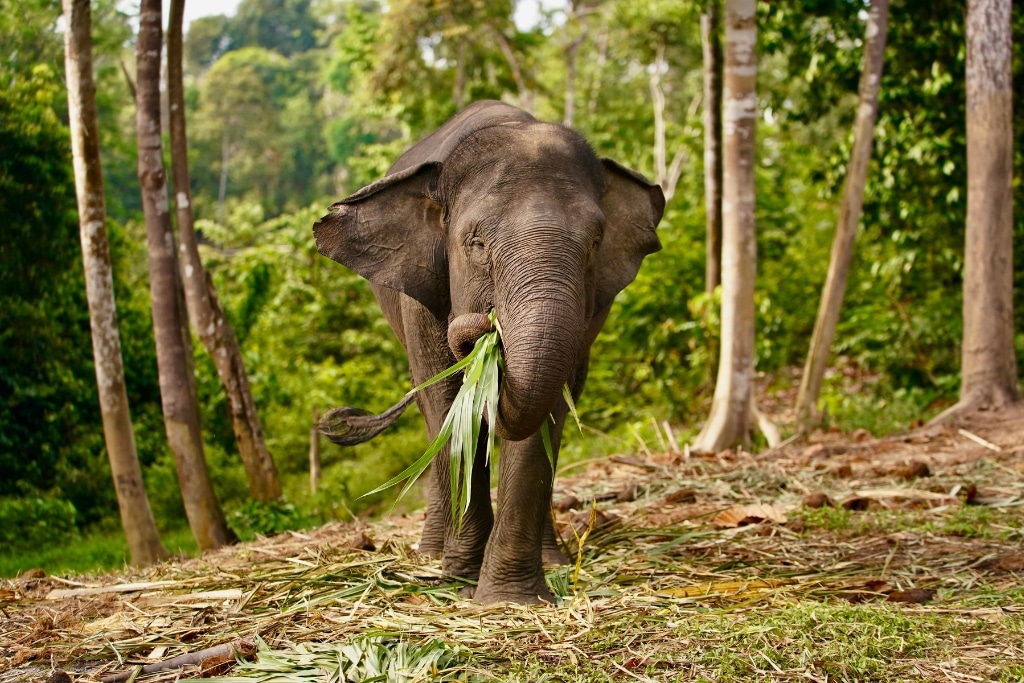
“Every elephant that survives means a chance for the species to survive. And every wildlife vet we train means a better chance of that happening,” said Cocks.
The Wildlife Ambulance cannot reverse deforestation or end the pressures that drive conflict with elephants. But it can ensure that when an injured elephant is found in the forests of Sumatra, there are trained hands ready to respond, and that the next generation of wildlife veterinarians have the skills and experience to carry that work forward.
This male elephant in Sumatra received treatment. He walked away, he survived. And his survival is a reminder that in conservation, every single life is a victory worth fighting for.
Featured image: International Elephant Project
—
Find out more about the International Elephant Project and how you can help at internationalelephantproject.org. Your support will help give urgent medical care to wild elephants, save their habitat, and protect them from deadly threats of poaching and conflict.
This story is funded by readers like you
Our non-profit newsroom provides climate coverage free of charge and advertising. Your one-off or monthly donations play a crucial role in supporting our operations, expanding our reach, and maintaining our editorial independence.
About EO | Mission Statement | Impact & Reach | Write for us