


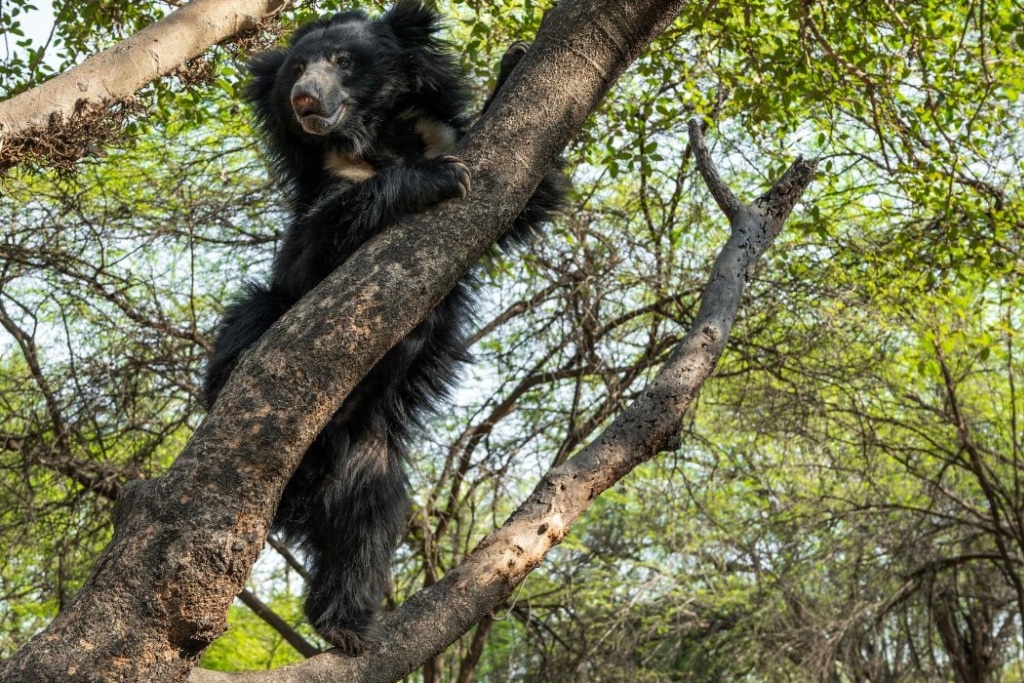
Sloth bears have existed on the Indian subcontinent for 4-6 million years. Recently, however, their numbers have significantly dwindled. Although exact population numbers are unknown, the International Union for Conservation of Nature (IUCN) classified the species as “Vulnerable”.
—
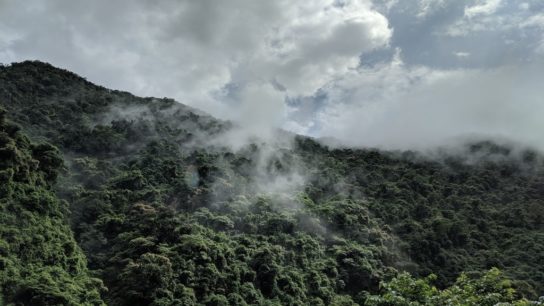
The vast majority of sloth bears, roughly 90%, can be found in India. The remaining few are found in Nepal and Sri Lanka. In the last three decades, sloth bears have been completely wiped out from Bangladesh due to habitat loss, which remains the primary threat to the species’ future, just as it is for most wildlife.
Despite these present challenges, there are still reasons to be optimistic this adaptable species can be saved. October 12 is World Sloth Bear Day. In celebration, here are five reasons to be hopeful.
1. Sanctuaries, Reserves, and National Parks
Sloth bear sanctuaries have increased in India over the last decade. These government-managed sanctuaries are established specifically to protect and manage sloth bears. Two new sanctuaries have been set up in this period in southern India, and more areas could soon receive protection.
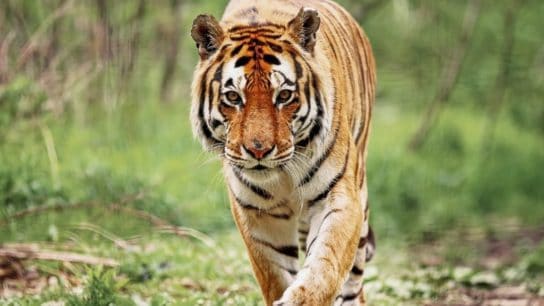
Protected areas such as tiger reserves and national parks also benefit sloth bears, despite tigers being the bears’ only true predator. In fact, about 2% of a Bengal tiger’s diet consists of sloth bears. However, sloth bears flourish in these protected areas that can support 40 adult tigers, sustaining at least twice as many sloth bears.
Thomas Sharp of the IUCN Bear Specialist Group notes, “Tigers work well as an umbrella species for the sloth bear, as they often overlap in the same areas and habitats. This is one case where the charisma and world wide attention given to protecting tigers also benefits sloth bears.”

2. Abundant Food Sources
Sloth bears are myrmecophagous, meaning they primarily eat termites and ants, which comprise roughly half their diet. The remainder consists mainly of fruits and honey. Because half of their diet comes from abundant insects, sloth bears are less vulnerable to seasonal food shortages than many other species. Additionally, termites and ants are often able to persist in fragmented and degraded habitats. This makes termites and ants a food source the bears can really count on, even in their shrinking habitats.
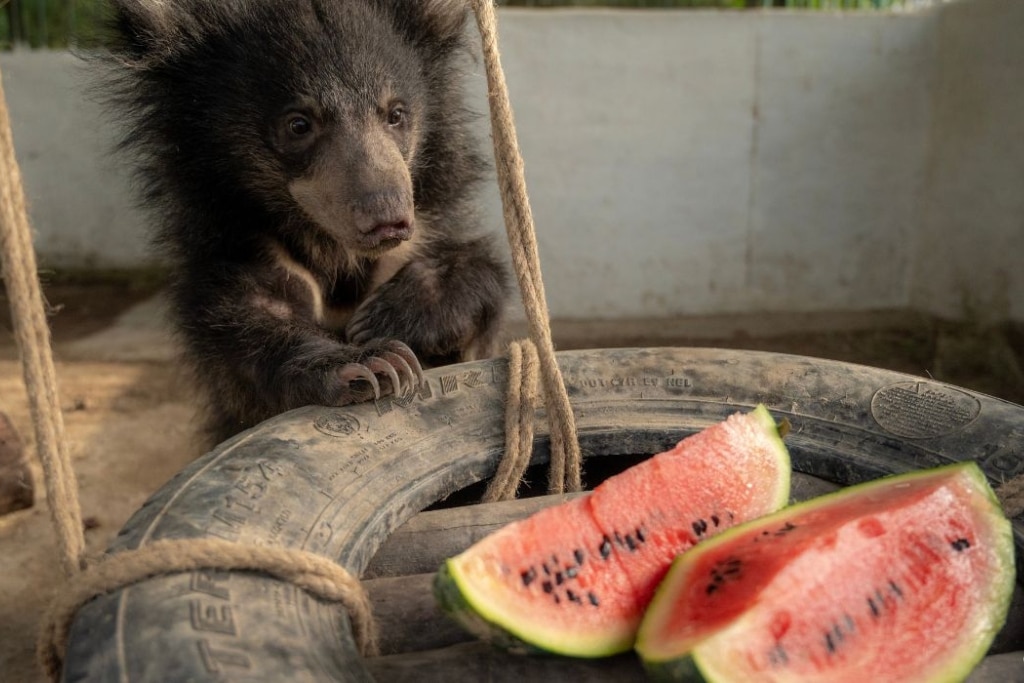
3. Compact Home Ranges
Unlike brown bears, which have home ranges of at least 180 square kilometers (sq. km) and up to 1,300 sq. km, or polar bears with ranges up to 50,000 sq. km, sloth bears have relatively small home ranges, the smallest of any bear species.
Females in Royal Chitwan National Park, Nepal, occupy less than 10 sq. km, and males roughly 20–25 sq. km. Sri Lankan sloth bears have even smaller ranges, about half that of mainland bears. Small home ranges, likely linked to their insect-rich diet, allow more bears to live in a smaller area, making conservation in limited spaces more feasible.
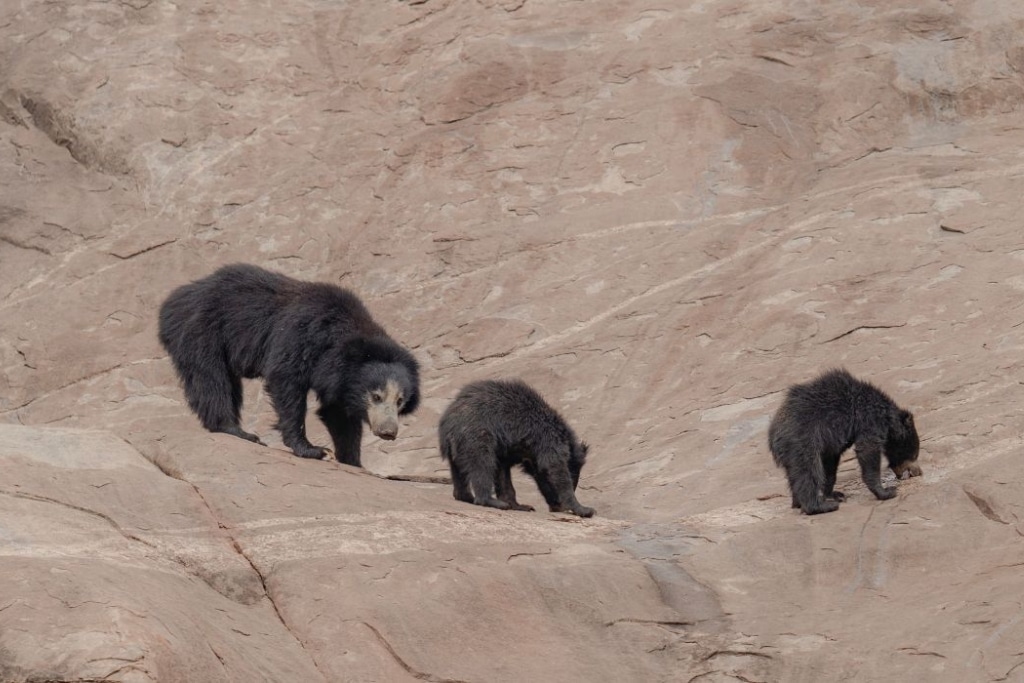
4. Sloth Bears Coexisting with Other Sloth Bears
Sloth bears are socially tolerant of other sloth bears, and the home ranges of many individual sloth bears overlap to a great extent. Infanticide (an adult male bear killing cubs to move up the time table of adult females to breed again) seems to be incredibly rare in this species, if occurring at all. And fights rarely amount to more than squabbles. This social tolerance may also partly be the result of being myrmecophagous and thereby having an abundance of food on the landscape. This tolerance allows for more bears to live in a smaller area.
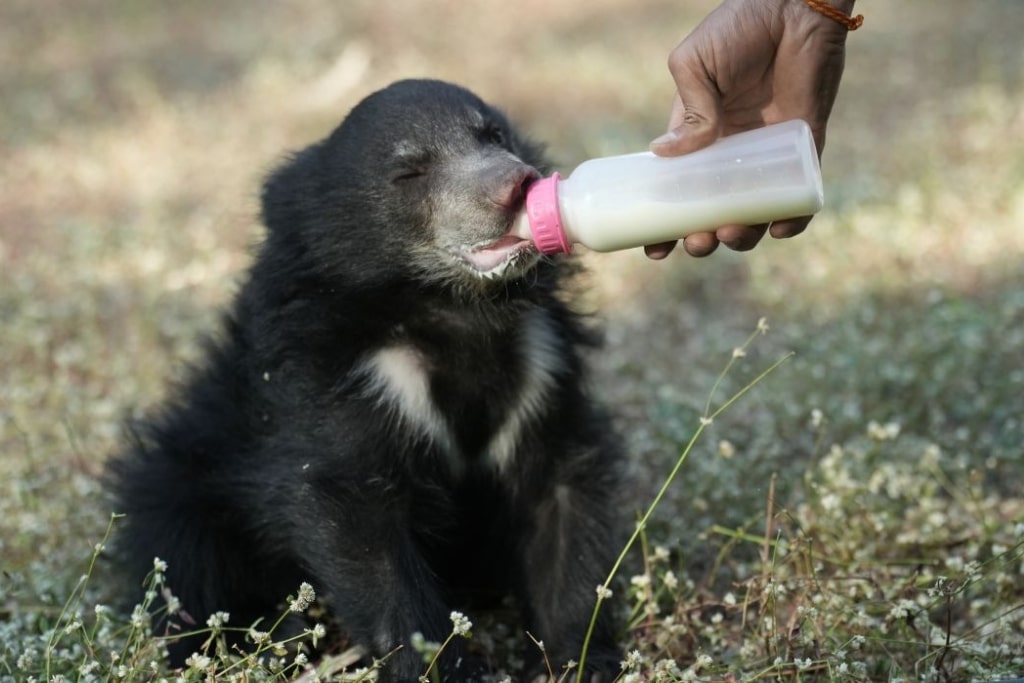
5. Growing Awareness and Appreciation
Of the eight species of bear, sloth bears are one of the least studied and understood. However, this is quickly changing. Over the past two decades, there have been more scientific studies, and the awareness of sloth bears has increased both within and outside their range. Governments and NGOs are collaborating to ensure the bears’ survival.
“As we learn more about this unique species, the need for conservation becomes increasingly clear and action is being taken. Days like World Sloth Bear Day play an important role in helping people get to know and protect this unique bear,” said Sharp.
Imaginative children around the world have unknowingly had sloth bears in their lives – lovable Baloo from Kipling’s iconic story Jungle Book was a sloth bear!
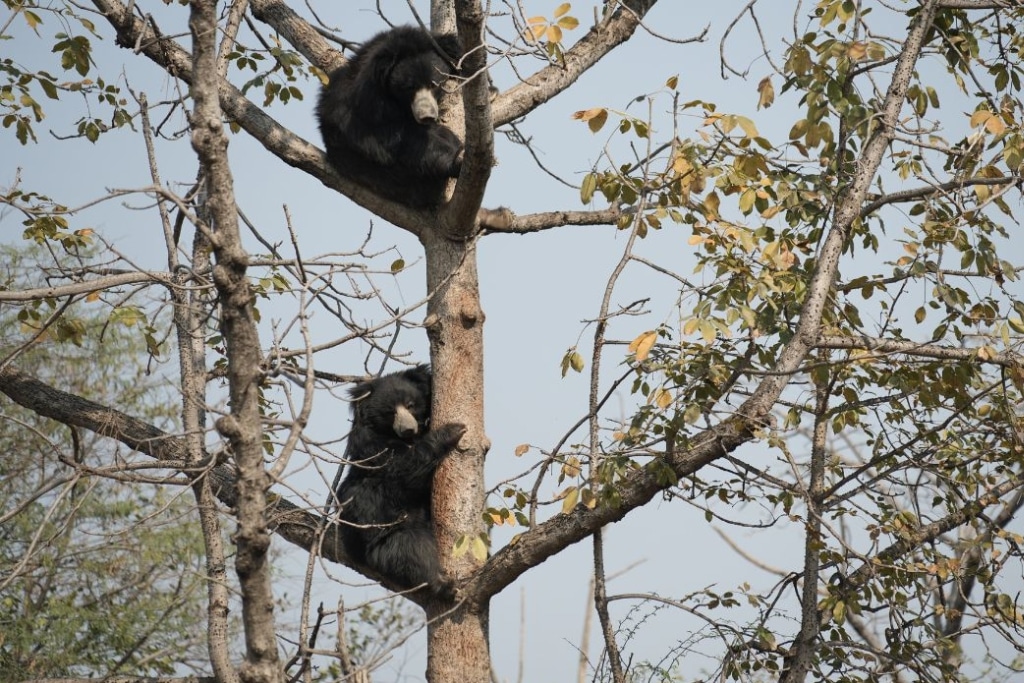
On World Sloth Bear Day, we have multiple reasons to be optimistic about sloth bear conservation. However, their continued survival ultimately depends on ongoing public concern, active conservation efforts, and the protection of their habitat.
Featured image: Wildlife SOS.
This story is funded by readers like you
Our non-profit newsroom provides climate coverage free of charge and advertising. Your one-off or monthly donations play a crucial role in supporting our operations, expanding our reach, and maintaining our editorial independence.
About EO | Mission Statement | Impact & Reach | Write for us