


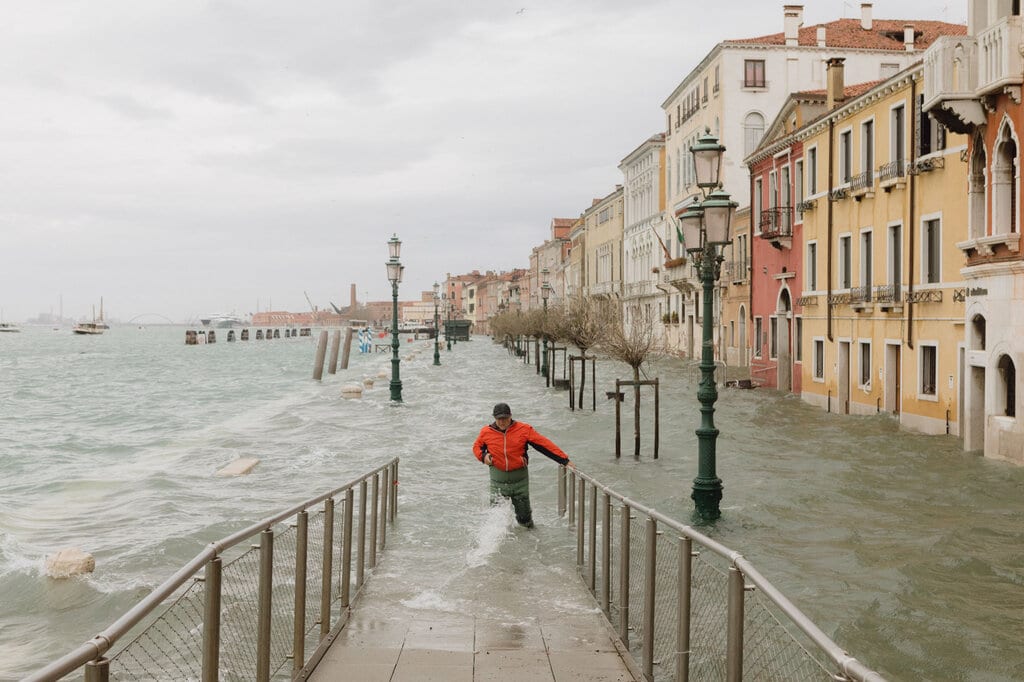
A recent study found that tens of millions of the world’s population have been moving into flood zones and locations that are prone to floods in the last 20 years, increasing the amount of the people at risk of losing their homes and lives as the effects of climate change worsens.
—
What is Happening?
- At least 86 million people have moved or relocated into areas with high flood risks in the last 20 years, amounting to a 20% increase of the world’s population vulnerable to floods, according to a recent study.
- The paper, published in scientific journal Nature by a team of researchers from the University of Arizona, using nearly two decades of daily satellite imagery, was able record 913 large flood events around the globe between 2000 and 2018.
- During the same period, tens of millions of people have been found to move into flood zones, which is 10 times higher than previous estimates.
- The study also found about 290 million people were directly affected by major flood events and if the current trajectory continues, significantly more people will lose their homes, livelihoods and die from floods.
- “Flooding affects more people than any other environmental hazard and hinders sustainable development,” the study writes. “Investing in flood adaptation can reduce loss of life and livelihoods.”
- While the amount of people who live in flood-risked regions in Russia and Sri Lanka have actually lessened, countries like Bangladesh and India saw up to 14.3 million and 44.8 million people relocating to flood zones respectively.
- While the study was unable to explain the motivation behind population relocations, due to rapid urbanisation, increasing population and worsening effects of climate change, more people will be living in flood prone areas.
- Using climate models from the World Resources Institute, the study also forecasts between 2010 and 2030 potentially as many as 179 million more people will be impacted by the effects of flooding.
- Flood risks will also be increasingly more severe. “If people are moving into places that flood, it’s going to flood again,” said Beth Tellman, a human-environmental geographer at the University of Arizona and lead author of the paper, adding that the areas they examined flooded an average of about three times since 2000.
- Some of the worst cases of flooding have been experienced by countries in the global south including sub-Saharan Africa and Southeast Asia. However evident by recent fatal flash floods in Germany, China and Japan, many more countries are becoming prone to major flood events and home to flood zones.
- Countries would need to prioritise the investment of global flood adaptation and adaptation strategies, whether it’s insurance or manage retreats at local scales.
You might also like: Climate Change: Flooding Will Hit Asia the Hardest- Report
Featured image by: Matteo Mayda