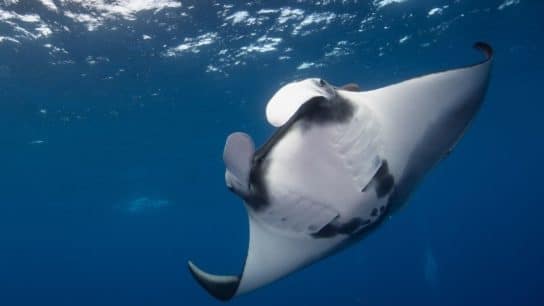


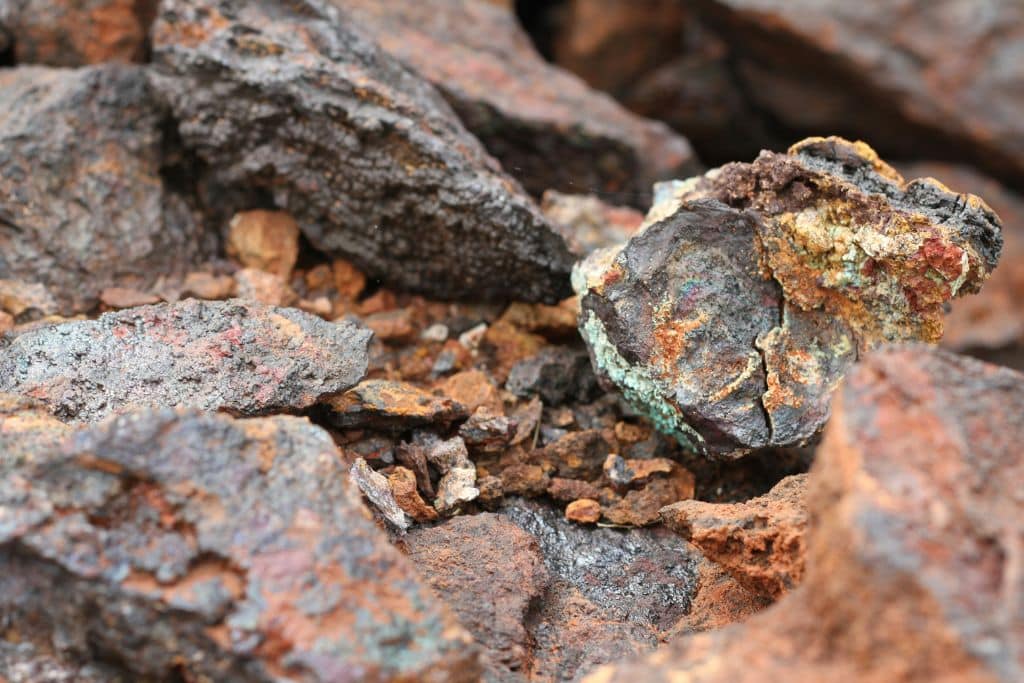
Minerals like cobalt, nickel, manganese, copper and rare Earth metals are more valuable than ever, essential components of anything from rechargeable batteries for electric vehicles to electrical wiring. Their extraction involves deep-seabed mining, often in uncharted territories where scientists know little about ecosystem risks. Environmentalists have sounded the alarm about deep-sea mining’s environmental impacts, and several transnational coalitions have heeded experts’ warnings as escalating calls for a deep-sea mining moratorium are underway.
—
Deep-sea mining is the process of extracting scarce minerals over 200 metres deep, comprising approximately two-thirds of the ocean floor. Although collecting minerals enables green technology and clean energy, the implications for the marine environment may be severe.
Humans have explored less than 0.001% of the deep sea floor – the equivalent of about one-tenth of Belgium. Because of this, scientists have a limited understanding of these mysterious ecosystems. Yet, the International Seabed Authority (ISA) has approved 31 exploration contracts, with mining activities beginning as early as 2026.
Environmental Risks of Mining the Ocean Floor
The deep seafloor comprises underwater volcanoes, mountain ranges and abyssal plains. The area hosts an array of unique species adapted to harsh conditions, such as a lack of sunlight and high pressure.
Experts know little about life at these depths, meaning they are unable to know the effects mining would have on its ecological functions. However, research shows that mining deep ocean substrates could have huge environmental impacts, including:
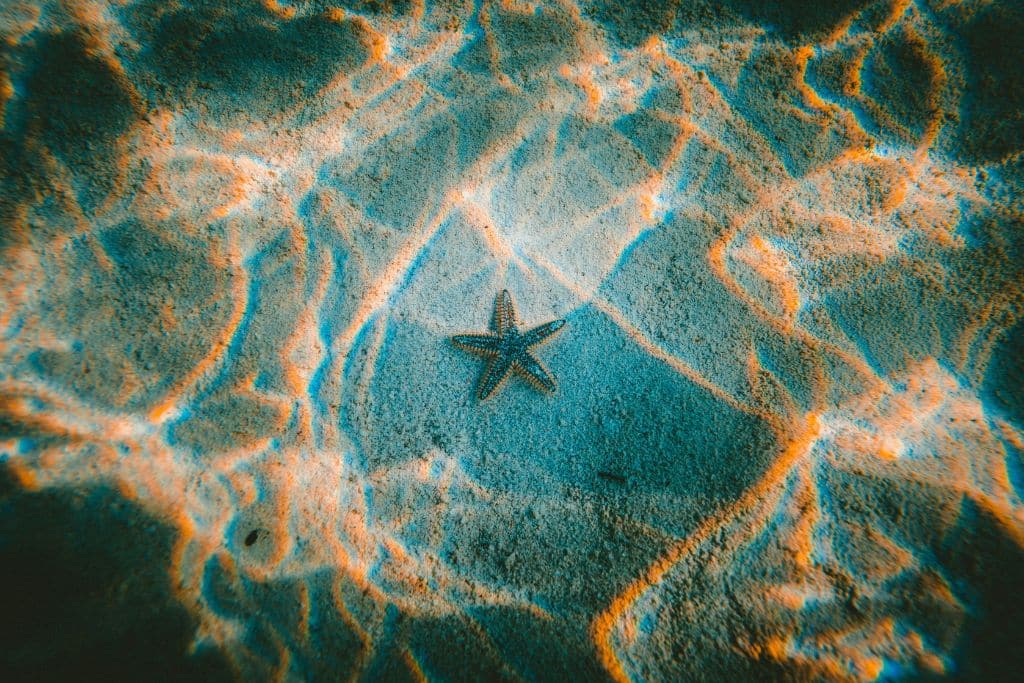
- Habitat degradation: The practice can destroy seafloor habitats beyond the point of recovery, affecting benthic species like worms, clams, oysters, sponges and sea stars.
- Sediment plumes: Deep-seabed mining kicks up sediment, impacting migratory species like sharks and turtles. It can further hurt global fisheries – 57.3% of stocks have already reached the maximum fishing limit and 35.4% are overfished.
- Food web disruption: Targeting polymetallic nodules will alter trophic and non-trophic food webs like stalked glass sponges, which support marine life.
- Light and noise pollution: Seafloor vehicle operations, dredging, explosives, and vibrations will cause light and noise pollution beyond thresholds for many cetacean species.
- Discharge of toxins and carbon reserves: This can disturb deep-sea carbon stores, impacting climate regulation.
Pursuing deep-sea mining without clear environmental assessments could have long-lasting consequences on the planet and society. A worst-case scenario would cause widespread ecological collapse that the world cannot recover from.
Global Calls for a Deep-Sea Mining Moratorium
The Deep Sea Conservation Coalition is calling on the ISA to negotiate regulatory terms for deep-seabed mining. So far, 37 countries have supported a temporary ban on mining activities on the ocean floor. The transnational opposition aligns with pushback from Indigenous communities, corporations, financial institutions, and over 930 scientists and lawmakers from over 70 nations.
Ecologist Lisa Levin at the Scripps Institution of Oceanography has especially expressed concern over prospective mining in the Pacific Ocean. The island nation of Nauru recently notified the ISA on behalf of the Metals Company for permission to mine for cobalt and other minerals in a 1.7-million-square-mile area in the Clarion-Clipper Zone.
Scientists estimate there are 21 billion tonnes of polymetallic nodules that are the size of potatoes in the Clarion-Clipper Zone, including cobalt and nickel. Each mining operation may span 400 square kilometres annually over 20 years, resulting in immediate deterioration.
Although Levin does not believe the Metals Company will be ready for commercial mining this year, she fears that if the ISA cannot meet the July deadline for finalizing environmental regulations, operations may begin sooner rather than later.
Indigenous people also want a voice on the matter, with Native Hawaiian activist Solomon Kaho’ohalahala underscoring the need to protect the ocean while visiting the ISA headquarters. In 2024, Governor Josh Green banned mining in Hawaii’s surrounding waters, joining Oregon, Washington and California.
What Does the Moratorium Entail?
The ISA – established by the United Nations Convention on the Law of the Sea – has spent over 10 years developing regulations for overseeing seabed mineral exploitation in international waters. After failing to set standards for commercial deep-sea mining in July 2023, it planned to discuss future guidelines and finalize the rules by its July 2025 session. However, many argued that the deadline is arbitrary, unrealistic and irresponsible, leading to calls for a moratorium.
The moratorium would halt all commercial mining activities in international waters until scientists can conduct comprehensive impact assessments and establish stringent environmental regulations. Doing so would require transparent reporting and monitoring to overcome outstanding issues and determine compliance with the ISA.
Under the Mining Code, member states can pause adopting deep-seabed mining regulations if they determine scientific gaps or want further safeguards. One objection would delay the process entirely, forcing the ISA’s council to reconvene and continue discussions until everyone is in agreement.
Sustainable Considerations for Marine Mining
Proponents of deep-seabed mining argue that mineral extraction is critical to a green energy transition. While this is true, there are more sustainable alternatives to consider. For instance, recycling minerals allows for their recirculation without degrading their qualities, offsetting the extraction of virgin minerals. According to the International Energy Agency, metal recovery could reduce new mining demand by 40% for copper and cobalt and by 25% for lithium and nickel by 2050.
Advanced technologies also help solve the materials dilemma by addressing supply and demand with ecological impacts. Artificial intelligence, for example, can aid in more precise and optimally efficient mineral exploration and processing to boost supply chain efficiency. Meanwhile, blockchain technology can improve material traceability to uphold ethical and sustainable sourcing with utmost transparency.
Switching to sodium-ion batteries instead of lithium-ion batteries further can further reduce scarce mineral needs and marine and terrestrial environmental harm. The former mineral is 1,000 times more plentiful than the latter and can significantly decrease supply chain and battery costs.
What Can You Do to Help?
Preventing deep-seabed mining activities might seem too extensive an undertaking for one person, but there are still ways to make a difference collectively. Supporting conservation organizations that advocate for more sustainable extraction through volunteering and donations encourages responsible sourcing of critical minerals.
Additionally, recycling electronic devices and purchasing products made from recycled materials reduces the need to collect more new resources for consumer goods. This may require you to research brands’ manufacturing and sustainability policies before purchasing. Some may even offer a convenient take-back program when items have reached the end of their lifespan.
Participating in policy change and public awareness is the most impactful step you can take. Call your representatives, sign petitions, and educate others about deep-sea mining environmental impacts. The more informed and vocal you are, the stronger the movement’s momentum for ocean protection.
Charting a Sustainable Course for Ocean Protection
The world will always need minerals, especially as it progresses toward a greener energy future. However, the means for attaining them must be sustainable. The deep-sea mining moratorium will give the scientific community and global citizens time to study and understand the impacts, uncover safer alternatives, and reshape ocean policy to protect the vast marine ecosystem from irreparable harm.
Featured image: Unsplash
This story is funded by readers like you
Our non-profit newsroom provides climate coverage free of charge and advertising. Your one-off or monthly donations play a crucial role in supporting our operations, expanding our reach, and maintaining our editorial independence.
About EO | Mission Statement | Impact & Reach | Write for us