

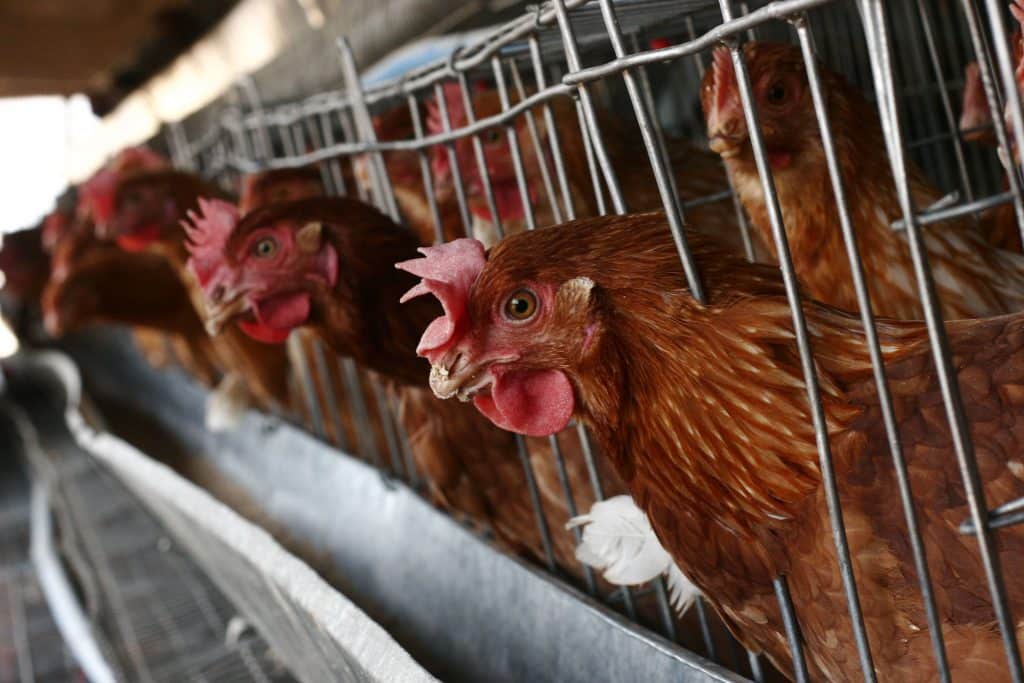
Inappropriate uses of antibiotics induce the development of resistances in bacteria, leading to one of the biggest threats to humanity: antimicrobial resistance. As antibiotics lose their potency and bacterial infections become less treatable, the global community is racing against time to identify and tackle the causes of this issue.
—
Antimicrobials – including antibiotics, antivirals, antifungals and antiparasitics – are medications used to treat or prevent infections in humans, plants and animals. These antimicrobials target pathogens by inhibiting their growth or by directly killing them. On the other hand, pathogens could stop responding to their respective antimicrobials, rendering these antimicrobials ineffective to treat infections. Collectively, this phenomenon is known as antimicrobial resistance (AMR).
In particular, bacterial pathogens are notorious for having mechanisms to resist antibiotic treatments. Some bacteria can be resistant to more than one antibiotic at the same time, a phenomenon known as multidrug resistance. Indeed, bacterial AMR was associated with 4.71 million deaths globally in 2021, of which 1.14 million deaths could be directly attributed to bacterial AMR. Concerningly, the same study highlights an increasing trend in the annual global death tolls of bacterial AMR – particularly in people 70 years or older – forecasted to directly result in 39.1 million deaths between now and 2050.
The inappropriate use and overuse of antibiotics in food production is another driving factor for the development of bacterial AMR. Overuse presents a selective pressure for the emergence and persistence of antibiotic resistance genes (ARGs).
To devise effective strategies to control bacterial AMR, it is important to understand the main exposure routes of bacteria to antibiotics.
Indiscriminate Use of Antibiotics in Food Production
Food production is a major source of bacterial AMR, as antibiotics used in agriculture and aquaculture often eclipse those in human medicine. Researchers estimated that, in the 2010s, around 70% of global antibiotic uses were in livestock, primarily in cattle, chicken and pigs. In agricultural crops, antibiotics are primarily used for growing rice. In contrast, antibiotic use in aquaculture is more evenly distributed across different species, including catfish, trout, tilapia, shrimp and salmon.
These antibiotics are often used indiscriminately in intensive farming or aquaculture, not only to treat infections but also to promote growth and feed efficiency. While the mechanisms of action are not yet fully understood, low doses of antibiotics could alter the gut environment to favor effective feed digestion and growth promotion. This could occur by stimulating the activities of certain bacteria (a process known as hormesis), reducing nutrient use by microorganisms, reducing inflammation, and increasing nutrient absorption due to a thinning of the intestinal lining.
Global bacterial AMR in livestock has shown an increasing trend between 2000 and 2018. Given the predicted increase in antibiotic usage in livestock for the next decade, this trend is likely to persist.
One study of livestock in China epitomizes this phenomenon, as it reports the doubling of ARG number per isolate in Escherichia coli from the 1970s and 2019. Concerningly, antibiotic-resistant bacteria could be transmitted from livestock to humans, resulting in interspecies dissemination of ARGs. Indeed, studies have demonstrated similarities in ARG profiles between human and chicken or swine. These transmission events are profound in low-hygiene environments, particularly in those where there are high risks of fecal contamination, providing another conducive environment for bacteria to develop resistances to various antibiotics.
This issue is exacerbated by the limited availability of public data on antibiotic uses due to some countries refusing to share information, impeding concerted efforts to tackle AMR issues in the global food supply chain.
Environmental Pollution Facilitates the Spread of ARGs
Contamination of environmental niches with wastes from food production facilitates the development and spread of antibiotic-resistant bacteria.
A 2023 study reported the prevalence of antibiotics in rivers across regions worldwide, along with its correlation with human consumption and livestock production. This is an example of how human activities could provide a selective pressure for the development of antibiotic-resistant bacteria.

Concerningly, such environmental contaminations also facilitate the transmission of ARGs present in livestock wastes – typically at a higher concentration than those found in hospital, municipal or aquacultural wastes – to human pathogens via horizontal gene transfer. Furthermore, agricultural crops may uptake and accumulate antibiotics and ARGs when grown on soils irrigated using reclaimed water or fertilized using manure from livestock, posing health risks for human consumers.
Aquacultural antibiotic wastes can also accumulate in coastal waters, particularly in sea surface microlayers, providing a conducive breeding ground for antibiotic-resistant bacteria. A 2024 study has shown that marine bacteria in the sea surface microlayers of the southern North Sea harbor ARGs against multiple clinically-relevant antibiotics, yet again highlighting anthropogenic factors in the spread of bacterial AMR.
These transmissions of antibiotic-resistant bacteria between humans, animals and environmental sources are exacerbated by increasing global temperatures, as it has been demonstrated for E. coli, Klebsiella pneumoniae and Staphylococcus aureus. The changing global landscape and extreme weather events such as floods could also mobilize pathogens, including antibiotic-resistant bacteria, in the environment.
Responsible Food Production Practices and Antibiotic Stewardship
To address the global AMR crisis in food and agricultural sectors, the UN Food and Agriculture Organization (FAO) initiated an action plan on antimicrobial resistance. It aims to promote good agricultural and aquacultural practices, including an emphasis on minimizing antibiotic usage through robust measures to prevent infections and on developing adequate waste management systems to avoid environmental contaminations.
Implementation of such practices has helped reduce the use of antibiotics in livestock across Europe, demonstrating that sustainable food production is achievable.
In the Netherlands, for example, antibiotic usage was reduced in pig and broiler chicken farmings through improved hygiene practices, the use of painkillers and anti-inflammatory agents, deployment of preventative vaccinations and transition to slower-growing broilers. Similarly, Denmark reduced antibiotic usage in pig production by banning antibiotics as growth promoters and promoting transparency through databases like Vetstat, along with other measures related to animal welfare. Importantly, the Danish success story stems from inclusive structures among the stakeholders, including the formation of farmer-owned cooperatives and also the Danish Veterinary Association.
It is also noteworthy that such good food production practices rely on a clear regulatory framework. To this end, the FAO has developed two databases on global legislations, policies or treaties regarding environmental protection and/or food production – ECOLEX and FAOLEX.
The World Health Organization’s Global Antimicrobial Resistance and Use Surveillance System (GLASS) standardized the collection, analysis, interpretation and data sharing by countries worldwide, while the European Centre for Disease Prevention and Control’s Surveillance Atlas of Infectious Diseases database tracks the spread of different diseases, including bacterial AMR, around the globe.
Collectively, these initiatives represent important principles required in the fight against the global AMR crisis: accountability, transparency, and accuracy.
Last but not least, widespread success of anti-AMR programs depends on public participation, which can only happen through improved public education on AMR, antibiotic use and hygiene practices.
Like any global issue, the fight against AMR relies upon one fundamental virtue: together we stand, divided we fall.
Featured image: FAOAmericas/Flickr.
This story is funded by readers like you
Our non-profit newsroom provides climate coverage free of charge and advertising. Your one-off or monthly donations play a crucial role in supporting our operations, expanding our reach, and maintaining our editorial independence.
About EO | Mission Statement | Impact & Reach | Write for us