

Latin America accounted for 85% of all verified killings of environmental defenders in 2025, with Colombia topping the list.
—

At least 124 land and environmental defenders were killed last year for standing up to protect their lands and livelihoods from destruction, a new report has revealed.
This represents a decrease from 2024, when Global Witness, the environmental watchdog behind Wednesday’s report, documented 142 killings and four disappearances, and from 2023, when it verified 196 killings. Since it began gathering data in 2012, the NGO was able to verify and report on 2,375 killings globally, although each year it warns that the figures are likely a “significant underestimate,” as many cases go unreported.
Environmental defenders play a crucial role in protecting the environment and defending key forests, habitats and ecosystems. Indigenous people alone steward around 20% of the Earth’s land, which contains 80% of the world’s remaining biodiversity. Of all defenders murdered last year, 43% were Indigenous people and 12% were women.
Latin America accounted for 85% of all killings last year. Weak legal protections, high levels of corruption, and intense conflicts over land and resource exploitation make the region one of the most dangerous to operate in for environmental defenders. Widespread organized crime exacerbates violence against defenders in the region, the report said, as it fosters “a climate of corruption and impunity.” Overall, over a third of all 2025 killings globally involved suspected links to organized crime and hitmen, making them by far the most frequently implicated perpetrators.
Colombia topped the list of the deadliest countries for environmental defenders for the fourth year in a row with 39 murders. In neighboring Brazil, home to the world’s largest rainforest, 26 defenders were murdered – more than double the 12 recorded in 2024. The country hosted the world’s largest annual climate conference, COP30, last year. Honduras, which has long had the largest per capita killing rate, followed with 12 verified murders.

In Asia, the Philippines emerged as the most dangerous country for defenders. 12 people were killed there last year, most of whom were Indigenous people and small-scale farmers. Global Witness also reported seven enforced disappearances in the country, a trend the NGO says is on the rise elsewhere in the world.
Murders were also verified in Mexico, Guatemala, Peru, Ecuador, Nicaragua, Tanzania, the Democratic Republic of Congo, France, India, Indonesia, and Turkey.
Small-scale farmers, Indigenous people and Afro-descendant defenders make up over three-quarters of killings in 2025.
From the available data, Global Witness was able to identify land disputes as the main drivers of killings, while mining was the biggest industry driver. The NGO said 11 murders involved defenders who opposed mining operations. Mining is one of the most significant contributors to planet-warming emissions. It often leads to land disputes, environmental degradation, and significant profit motives that can result in violent opposition from corporations and local authorities against those who resist exploitation.
Logging interests lay behind eight killings; agribusiness was linked to six killings, half of them affecting Indigenous Peoples on Nicaragua’s Caribbean coast. “Here, the Miskitu, Mayangna and Rama Peoples have long been among the principal victims of violence and dispossession, with a total absence of access to justice under Nicaragua’s authoritarian regime,” the report said.
The closure of civic space is also increasingly hindering efforts to identify perpetrators and address the drivers of attacks globally, it added. Last year, Peru, Ecuador and El Salvador all adopted measures that effectively restrict the rights and funding of civil society organizations.
“Defenders are the world’s eyes and ears on the ground. It’s thanks to them that we know when ecosystems are being destroyed, where forests are being cleared or rivers polluted,” said Toby Hill, a land and environmental defenders investigator and lead author. “The violence that defenders face, including killings in the most extreme cases, reflects a much broader struggle over the world’s land and resources.”
Murders are just one piece of a wider puzzle of abuses and attacks by governments, businesses, and other non-state actors against environmental defenders, including intimidation, violence, smear campaigns and criminalization.
Development Aid Cuts Exacerbate An Already Challenging Context
The report explicitly calls out the Trump administration, which has stripped funding from national and international organizations, including many UN organizations, working to protect human rights, climate and the environment. In June 2025, Colombia’s Office of the High Commissioner for Human Rights was forced to dismiss nearly half its staff due to funding cuts.
US President Donald Trump’s dismantling of USAID, which, among other initiatives, supported Indigenous people in stewarding their own land, had serious implications for environmental defenders. Globally, development aid fell by 23% last year – the largest annual drop ever recorded. Marginalized communities and the institutions that worked to support them have taken a huge hit, with cuts draining the pool of funds available to them.
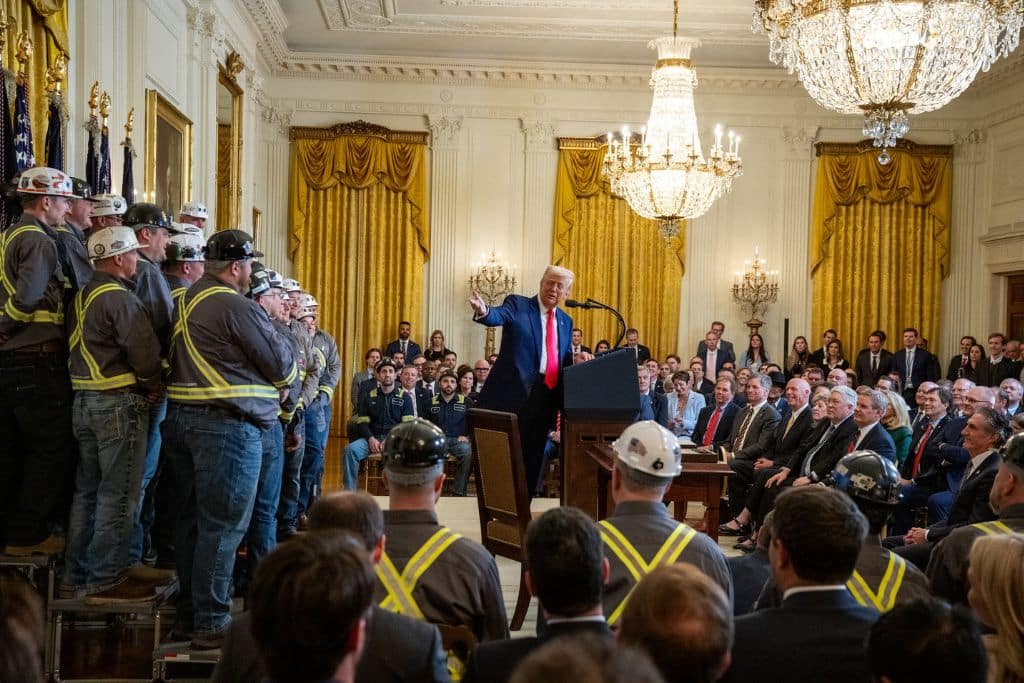
Trump also withdrew the US from the UN Human Rights Council, a move that was echoed by Nicaragua shortly after. In 2023, the council had found evidence of human rights violations in Nicaragua, warning they could amount to crimes against humanity.
Globally, the rise of authoritarianism is leading to an erosion of institutional checks and civil society. Aside from the US, countries in Latin America as well as central and eastern Europe introduced legislative changes to expand oversight of foreign-funded NGOs and hinder legal action from civil society against human rights and environmental abusers, “threatening a chilling effect on defenders’ campaigning.”
Addressing the Drivers of Violence Against Defenders
The report calls on countries to systematically document attacks and reprisals to enhance data availability, which can help improve existing laws and mechanisms to protect defenders. This can be done through legally binding frameworks like the Escazú Agreement, it said. Signed by 24 countries, not all of which have also ratified it, the international treaty mandates access to information about the environment, public participation in environmental decision-making, and environmental justice in region.
Global Witness urges state governments to strengthen legal frameworks and actively uphold human rights in environmental matters, for example by formally recognizing and enforcing Indigenous peoples’ and local communities’ legal rights to their ancestral lands and customary territories; refraining from weaponizing administrative, judicial, or surveillance tools (defamation, false charges, or social media campaigns) to silence activists and instead conduct prompt, impartial investigations into all forms of attack; as well as directly resourcing and respecting autonomous protection initiatives, such as Indigenous guards and local monitoring groups, while reversing recent cuts to foreign aid that support frontline human rights organizations.
It also calls on them to take responsibility for exposing and addressing violence against defenders and their communities while being held accountable for the criminalization and threats faced by these individuals.

GRID-Arendal/Flickr.
Meanwhile, companies and financial institutions are called upon to enforce mandatory due diligence and respect local self-determination, such as by ensuring meaningful consultation and obtaining the explicit consent of Indigenous and local communities before initiating any land-intensive or extractive projects like mining, logging, agribusiness, or infrastructure; identifying, preventing and mitigating human rights and environmental risks across all operations and global supply chains, establishing clear zero-tolerance policies for violence, intimidation, or criminalization against defenders; but also providing direct, effective grievance and remedy mechanisms for communities harmed by corporate activities or mega-projects.
Besides defenders, environmental journalists are also facing unprecedented risks. Their work often intersects and interferes with highly profitable economic activities, criminal groups, and powerful state and private actors, from illegal miners and poachers to powerful multinationals contributing to pollution and emissions. Known for intimidating, harassing, and even physically harming journalists in an attempt to suppress or stifle the truth, these stakeholders frequently represent a direct threat to reporters’ operations. And the numbers confirm it.
Last year, UNESCO revealed that at least 749 journalists or news media reporting on environmental issues were targeted with murder, physical violence, detention and arrest, online harassment, or legal attacks in the past 15 years around the world.
Featured image: UN Climate Change/Diego Herculano via Flickr.
This story is funded by readers like you
Our non-profit newsroom provides climate coverage free of charge and advertising. Your one-off or monthly donations play a crucial role in supporting our operations, expanding our reach, and maintaining our editorial independence.
About EO | Mission Statement | Impact & Reach | Write for us