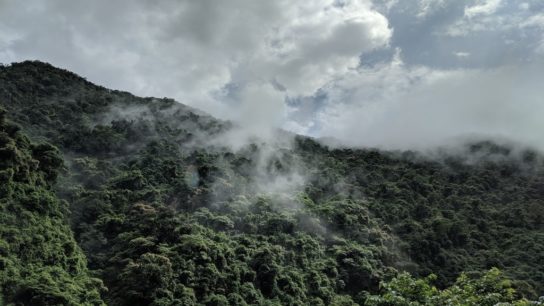



From the smallest creatures such as ants to bats soaring through the night, pollinators keep this planet’s ecosystem thriving. Every meal we eat and every flower we admire depend on these animals which are rarely noticed. Bees may get all the attention, but they are just one of countless species that make life on Earth possible.
—
When we think of pollinators, the first image that comes to mind is usually bees, the most well-known and celebrated of them all. Yet, there are around 350,000 pollinator species across the world. These often unrecognized helpers play a crucial role in keeping our ecosystems functioning.
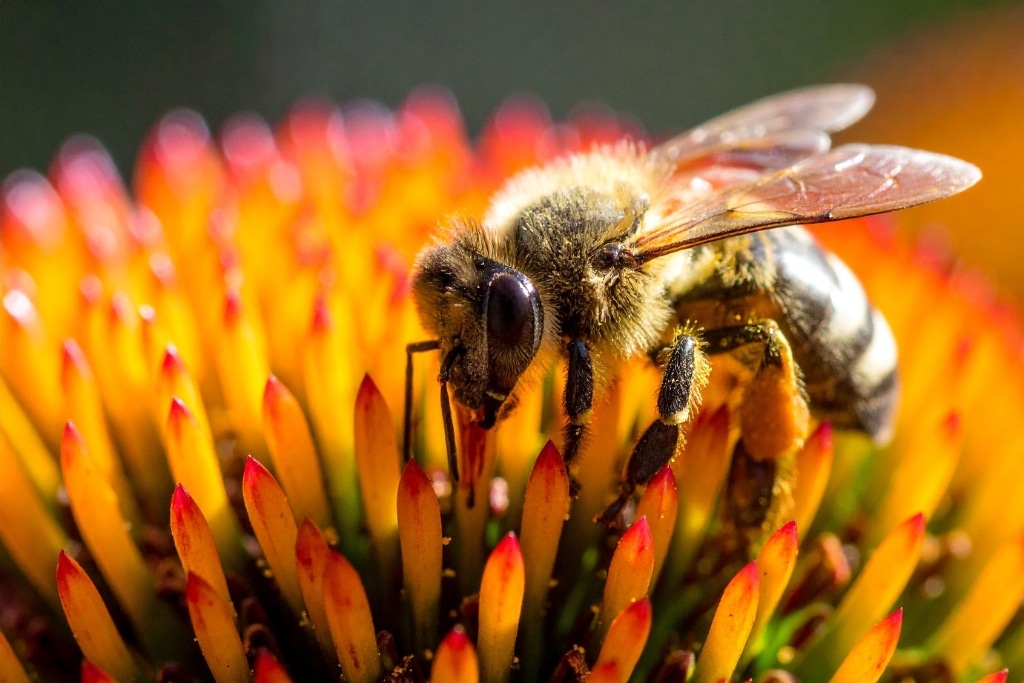
The truth is that the world cannot survive without pollinators. Of the 1,400 crop plants grown globally, those that provide our food and many plant-based industrial products, nearly 80% rely on animal pollination. According to the US Department of Agriculture (USDA), more than half of the world’s dietary fats and oils come from animal-pollinated plants – crops estimated to be worth over $10 billion annually.
The Unsung Heroes of Pollination
Pollinators include a wide range of animals, from insects like butterflies, moths, flies, and beetles to birds, bats, and even some lizards and small mammals.
Butterflies and moths are important pollinators. As butterflies sip nectar from flowers, pollen sticks to their legs and bodies. It then gets deposited on a different flower when they visit it.
After dark, moths and bats take over the night shift for pollination. Nocturnal flowers with pale or white flowers, heavy with fragrance and copious dilute nectar, attract these nighttime pollinators. But not all moth pollinators are nocturnal; some moths are also active by day. Hawk moths or Morgan’s sphinx moths are adapted to pollinate certain types of orchids and the yucca plant depends on the yucca moth for its pollination needs.
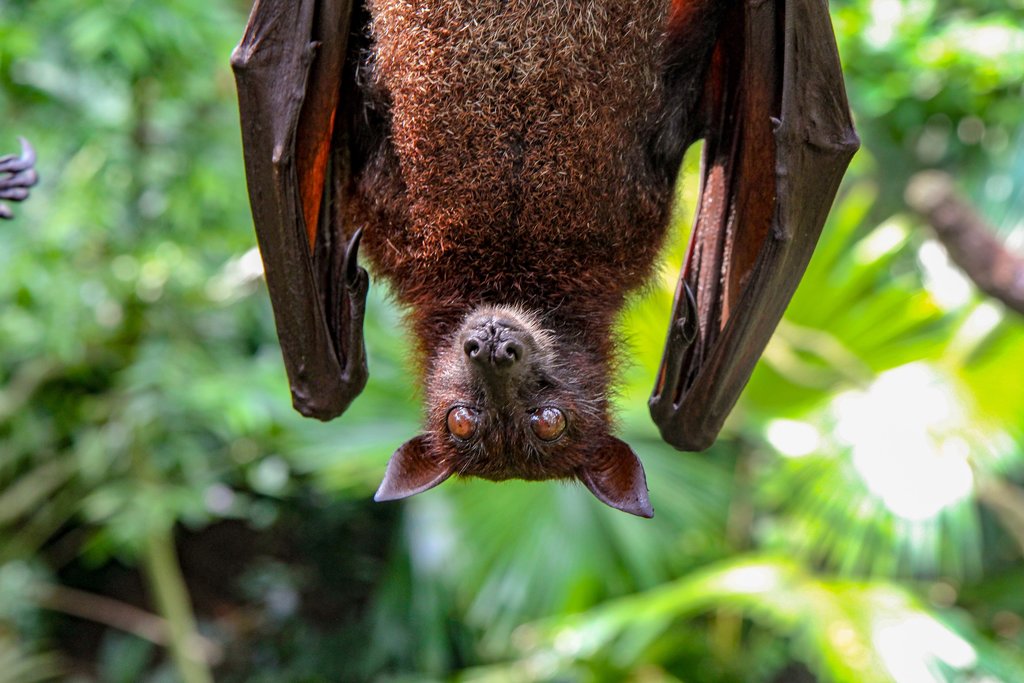
Bats, often overlooked members of the pollinator community, are very important pollinators in tropical and desert climates. Most flower-visiting bats are found in Africa, Southeast Asia, and in the Pacific Islands. Over 300 species of fruit depend on bats for pollination. These fruits include mangoes, bananas and guavas. The Agave plant – used to make tequila – and the Saguaro – the iconic cactus native to the Sonoran Desert in Arizona, US – also depend upon bats for pollination.
From an evolutionary perspective, beetles were among history’s earliest pollinators. Beetles eat the pollen and nectar of dull colored, fruity flowers that grow separately or in groups during the day. They will eat their way through petals and other floral parts. They even defecate within flowers, earning them the nickname “mess and soil” pollinators.
Pollination carried out by birds is known as ornithophily. The pollinator icon among birds is the hummingbird, but there are over 2,000 bird species that feed on nectar and pollinate them – from honeycreepers in Hawaii and honeyeaters in Australia to brush-tongued parrots in New Guinea and sunbirds in the tropics. Bright, colourful, beautiful flowers with lots of nectar are the main focus of these pollinators.
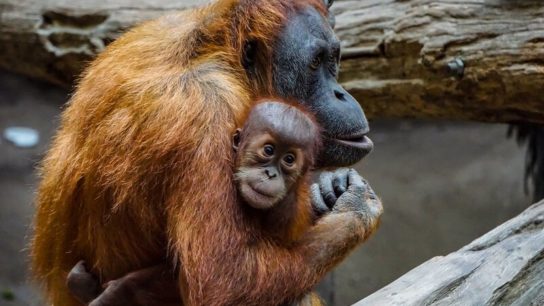
While it might come as a surprise to many, mammals like monkeys, lemurs, possums, bats and rodents, and even some lizards, are also part of the pollinator community. In Madagascar, black and white ruffed lemurs are the main pollinators of traveler’s palm. These trees are typically 40 feet high. The lemurs pull open the tough flower bracts and stick their snouts deep inside the tree’s flower. As a result, they collect pollen on their muzzle and fur, and then transport it to the next flower. It appears that no other creature has the strength and nimbleness to pollinate them. This gives the black and white ruffed lemur the title of the world’s largest pollinator.
This dazzling diversity of pollinators, from the tiniest beetles to lemurs scaling treetops, shows just how many species quietly sustain our planet’s life web.

Threats and Consequences
Pollinators are one of the most important parts of our ecosystem, but they are in trouble. Around the world, their numbers are declining, a major concern for people, plants, and animals alike. They are mainly threatened by habitat loss, pesticide exposure, climate change, and competition from invasive species.
Pollinators lose their habitats for many reasons. Agricultural intensification can have unexpected impacts, increasing pesticide residues, reducing habitat connectivity, and decreasing plant diversity. The rapid spread of human development also fragments their natural environments. Studies show that the rise in impervious surfaces, such as roads and buildings, is linked with reduced bee and butterfly diversity in urban areas. As of 2020, more than 70 species of pollinators are listed as endangered or threatened by the US fish and wildlife service (FWS).
Climate change is another major challenge. Rising temperatures increase aridity, reducing available water sources. For instance, bats require specific temperature ranges for roosting and must drink nightly to stay hydrated, especially nursing females in summer. Hotter, drier conditions strain their reproductive capacity and contribute to population declines.
Invasive species and diseases also threaten pollinators. Non-native plants crowd out native ones, reducing food and shelter. Pathogens such as viruses, fungi, and bacteria can spread from introduced to native pollinators, and pesticide exposure often worsens these effects.

As pollination declines, risks to human and economic health rise. In 2022, the world produced 3-5% less fruit, vegetables, and nuts than it could with robust wild pollinator populations. While that number may seem small, it translates to an estimated 427,000 lives lost each year due to insufficient healthy food consumption and related diseases, according to research led by Environmental Health Perspectives (EHP). Research also shows that lower-income countries have lost significant agricultural income from poor pollination, amounting to 10–30% of total agricultural value.
All this highlights one simple truth: for humans to thrive long-term, protecting these small creatures is essential for the planet’s future.
Protecting Pollinators Beyond Bees
According to the Intergovernmental Science-Policy Platform on Biodiversity and Ecosystem Services (IPBES), around 75% of food crops and 90% of wild flowering plants depend on pollinators for reproduction. A total loss of pollinators could cause a 5-8% drop in global agricultural production. In Europe alone, pollinators are estimated to add around 15 billion euro (US$17.4 billion) per year to the market value of crops. Protecting these species is, therefore, crucial.
The Joint Research Centre based in Belgium is working towards improving the monitoring of pollinators to help reverse their decline by 2030. But protecting them is not just about large organizations; small actions in our daily lives can make a significant difference, too. Planting pollinator-friendly flowers such as lavender or sunflowers can help create safe spaces for them to pollinate. Limiting the use of pesticides, supporting local beekeepers, and spreading awareness about their importance are also simple ways to help ensure that pollinators continue to thrive for generations to come.
Pollinators are the invisible threads that hold our ecosystems together. From bees and butterflies to bats and beetles, each plays a vital role in keeping nature and humanity alive and thriving. Their decline is a reminder of how fragile this balance truly is. Protecting pollinators means protecting biodiversity, food security, and the beauty of the natural world itself.
This story is funded by readers like you
Our non-profit newsroom provides climate coverage free of charge and advertising. Your one-off or monthly donations play a crucial role in supporting our operations, expanding our reach, and maintaining our editorial independence.
About EO | Mission Statement | Impact & Reach | Write for us