A new study has found that if greenhouse gas emissions are not curbed urgently, a third of endemic species on land and half in the sea will become extinct, causing a collapse of biodiversity
—
What is Happening?
- A new study, published in the journal Biological Conservation, has found that endemic species, those plants and animals that are unique to a single location such as one island or one country, are particularly vulnerable to emissions -induced climate change, which could trigger a biodiversity collapse. They’re almost three times more likely to go extinct, according to the analysis of almost 300 biodiversity hotspots on land and sea.
- According to the study, 92% of all endemic species on land and 95% of those in the ocean will decrease in numbers or even disappear under current emissions levels, which will increase global temperatures by 3 degrees Celsius by 2100. On mountains, 84% of endemic plants and animals face extinction, while the percentage rises to 100% on islands.
- The geographical rarity of these endemic species makes them extremely valuable to nature. They cannot move easily to more favourable environments.
- However, most will survive if warming is limited to 1.5ºC or below 2ºC, but even at 1.5ºC, 2% of land and marine species will go extinct. If the world warms by 2ºC, then 4% will go extinct.
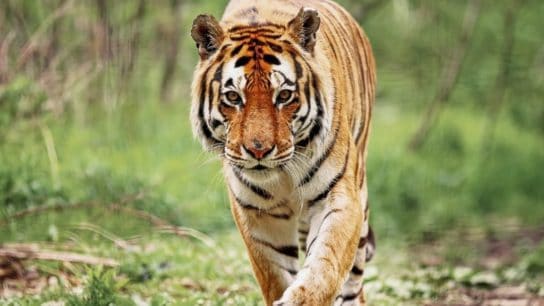
- Should emissions remain unchecked, the lemurs of Madagascar and snow leopards in the Himalayas are among those species at risk. These species also include important medical plants such as the lichen Lobaria pindarensis, used to alleviate arthritis.
- In Asia, islands including the Indian Ocean islands, the Philippines and Sri Lanka along with the Western Ghat mountains could lose most of their endemic plants due to climate change by 2050, while places like the Caribbean islands, Madagascar and Sri Lanka could see most of their endemic plants go extinct as early as 2050. The tropics are especially vulnerable, with over 60% of tropical endemic species facing extinction due to climate change alone.
You might also like: East Africa Deploys Huge Volumes of ‘Highly Hazardous’ Pesticides Against Swarms of Locusts
Mariana Vale, a researcher at the Federal University of Rio de Janeiro and a co-author of the study, says, “Unfortunately, our study shows that those biodiversity rich-spots will not be able to act as a safe haven from climate change. This could greatly increase extinction rates worldwide.”
Meanwhile, Stella Manes, lead author and a researcher at Federal University, says, “The risk for such species to be lost forever increases more than 10-fold if we miss the goals of the Paris Agreement. Biodiversity has more value than meets the eye —a healthy nature provides indispensable contributions to people, such as water, food, materials, protection against disasters, recreation, and cultural and spiritual connections.”