
Sign Up
  • Earth.Org Newsletters

    Sign up to our weekly and monthly, easy-to-digest recap of climate news from around the world.

  • This field is for validation purposes and should be left unchanged.
Earth.Org PAST · PRESENT · FUTURE
Environmental News, Data Analysis, Research & Policy Solutions. Read Our Mission Statement

The heart-wrenching image of Punch, a rejected baby macaque clinging to a stuffed toy, has captured millions of hearts, but his sudden stardom exposes a troubling paradox in modern media. While viral stories can spark genuine compassion, they often inadvertently mask the systemic stresses of captivity and stoke a dangerous global demand for exotic pets.

By Devan Showe

Stories about cute baby animals tend to perform well on social media. Often, all it takes is a handful of compelling photos and a simple narrative hook for a story to spread rapidly across platforms. 

At times, that virality can serve a positive purpose: it can raise awareness about animals in distress and potentially inspire advocacy or donor support for conservation efforts. Yet the same viral attention can also have unintended consequences. In many cases, highly shareable animal stories spark interest in the exotic pet trade or reinforce systems that keep wild animals in captivity.

One recent example is the story of Punch, a seven-month-old Japanese macaque born at the Ichikawa City Zoo in Japan. While Punch has become something of an internet celebrity, the attention surrounding his story illustrates how viral fame can produce mixed outcomes for animals.

The Life of Punch

Punch’s story begins with tragedy. Born in captivity, he was rejected almost immediately by his mother. In macaque social structures, maternal rejection can lead to broader social consequences, and Punch soon faced bullying and exclusion from other monkeys in his troop.

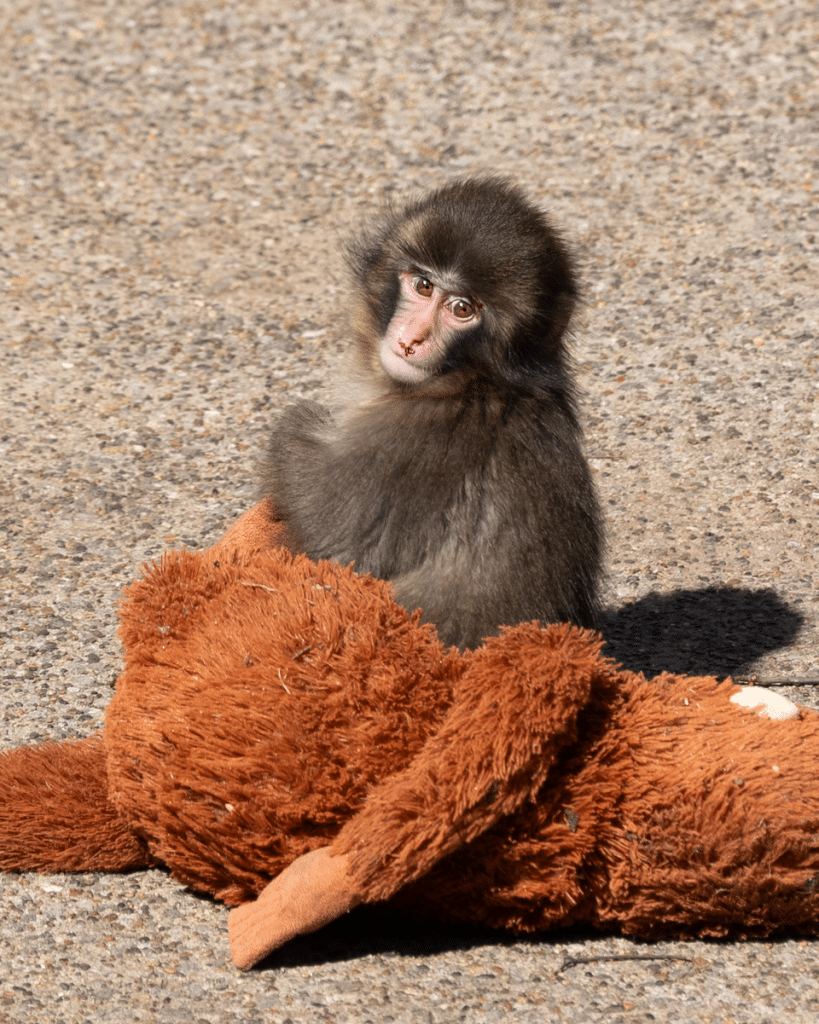
Punch the monkey with his plush at Ichikawa Zoo in Japan in 2026.

The precise reasons for this rejection are difficult to determine. Researchers at the zoo have suggested that Punch’s mother may have been affected by the circumstances of his birth, which reportedly involved a prolonged and difficult labor during a severe heatwave. Although such explanations remain partly speculative, zoologists note that stress during pregnancy and birth can disrupt maternal bonding in primates.

Concerned about Punch’s isolation and safety, zoo staff stepped in to hand-rear him.

For six months, keepers fed and cared for the infant macaque, raising him outside the troop while monitoring his health and development. Eventually, this January, the zoo attempted to reintroduce him to the enclosure.

The transition was not easy. Punch struggled to integrate with the other monkeys and instead showed strong attachment to the zookeepers who had raised him. He often stayed close to them rather than interacting with the troop, reinforcing the sense that he remained socially disconnected from his own species.

In an attempt to ease his loneliness, zookeepers introduced a stuffed orangutan toy for him. Punch quickly formed an attachment to the plush animal, carrying it around the enclosure and cuddling it in moments of stress. The image was striking: a small macaque clinging to a stuffed toy for comfort, much like the character Linus with his blanket in the classic comic strip Peanuts.

Photos and videos of Punch snuggling his stuffed companion soon began circulating online. Within days, the images spread widely across social media platforms and news outlets. For many viewers, Punch’s vulnerability and reliance on the toy symbolized both innocence and resilience, prompting an outpouring of sympathy from people around the world.

The Long Tail of Virality

While the public response to Punch’s story has largely been compassionate, viral attention can bring complications.

One immediate effect has been a surge in visitors to the Ichikawa City Zoo. Media reports indicate that attendance around the macaque enclosure has doubled since Punch became widely known online. The zoo has even issued public statements warning about capacity limitations as crowds gather to see the now-famous baby monkey.

On the surface, increased attendance may appear beneficial. However, higher visitor numbers can reinforce the economic incentives that sustain animal captivity. Revenue generated from increased traffic may ultimately support the continued breeding and display of animals in zoo environments.

A macaque trapped behind bars at a zoo
A long-tailed macaque sits in a cage at a primate breeding facility in Cambodia, which supplies monkeys for use in medical research around the world. Photo: Amy Jones/Moving Animals.

For animals like Japanese macaques, these environments are often far removed from their natural habitats. Wild macaques live in complex social groups and inhabit forests with abundant natural features, including trees, streams and varied terrain. By contrast, zoo enclosures can be crowded and relatively barren, sometimes consisting largely of concrete structures with limited environmental enrichment.

Captivity can also influence social dynamics. While maternal abandonment does occur occasionally in the wild, it is significantly more common in captive populations. Stressors such as overcrowding, limited space and constant human presence can disrupt normal behavioral patterns among primates.

In this sense, Punch’s difficult beginning may be linked in part to the conditions of captivity itself. The same setting that contributed to his troubled start is now benefiting from the attention generated by his story, a dynamic that highlights the complicated relationship between viral storytelling and animal welfare.

There is also another concern associated with viral animal content: the exotic pet trade. When unusual animals gain popularity online, public interest in owning similar animals often increases. Even when viewers mean no harm, viral fame can unintentionally create demand for wild or exotic species as pets.

Punch’s story has already provided an example of this. The Tate brothers, British-American controversial manosphere influencers, reportedly offered $250,000 to take Punch from the zoo. Although the proposal was framed as an effort to “rescue” him, such offers can normalize the idea of privately owning exotic animals.

In reality, the private exotic pet trade is widely criticized by animal welfare organizations for its cruelty and exploitation. Primates raised outside natural social groups frequently suffer from stress and inadequate living conditions. Removing a macaque from a zoo to place them in private ownership would likely create additional welfare concerns rather than solve existing ones.

Given these realities, the most probable future for Punch is that he will remain at the zoo for the duration of his life. Japanese macaques can live up to 40 years in captivity, meaning Punch may spend decades in the same environment where his story began.

One Good Outcome: Awareness

Despite these challenges, Punch’s story could still produce a meaningful positive outcome: greater awareness of how viral animal content intersects with conservation and animal welfare.

Organizations such as Born Free USA operate primate sanctuaries designed to provide rescued animals with more natural living conditions. At the Born Free USA Primate Sanctuary in Texas, monkeys live in large, open-top habitats spanning several acres and filled with real trees, plants and natural structures. These environments allow rescued animals to socialize in ways that more closely resemble life in the wild.

Increased public interest in stories like Punch’s could translate into stronger support for such sanctuaries. Donations, advocacy and public education campaigns can help expand alternatives to traditional captivity and provide lifelong care for animals that cannot be returned to their natural habitats.

Ultimately, Punch’s viral fame illustrates both the power and the complexity of internet storytelling. Images of a lonely baby monkey clinging to a stuffed toy are undeniably moving, and the compassion they inspire is genuine. But the broader impact of that attention depends on how audiences choose to respond.

Photos of Punch by Daiei Onoguchi via Wikimedia Commons.

The regional fallout from last week’s joint US-Israeli strikes on Iran underscores how far the global energy transition still has to go: as long as strategic decisions are tied to fossil fuel supply chains, climate goals remain exposed to geopolitical instability.

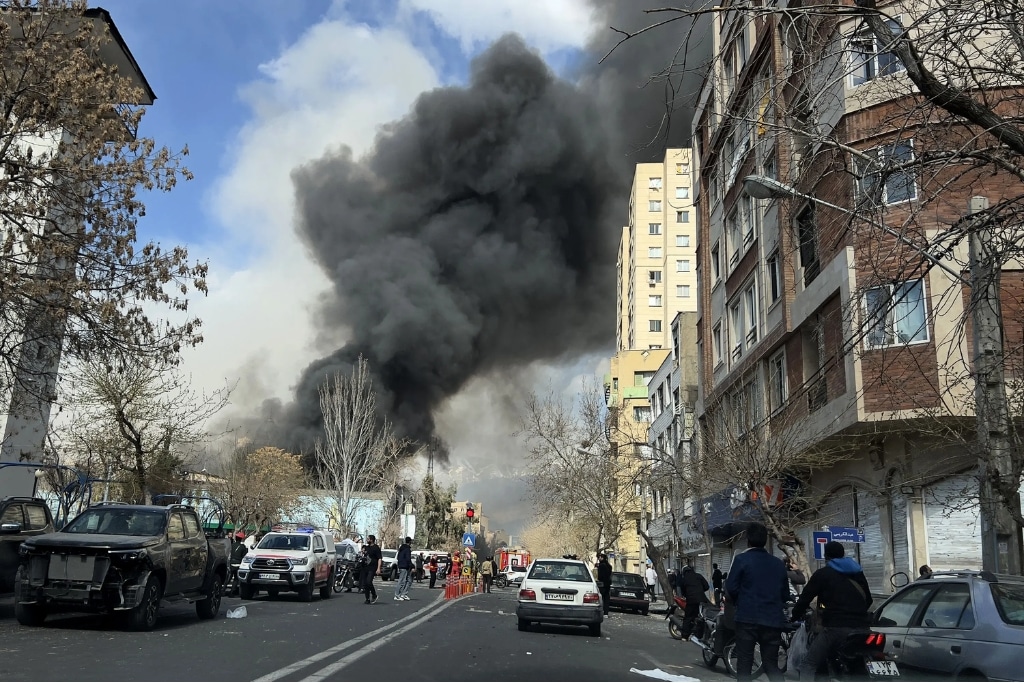
On February 28, the United States and Israel launched a coordinated military campaign against Iran, marking a dramatic escalation in Middle Eastern geopolitics with repercussions that extend far beyond the region. The military operation targeted hundreds of sites across Iranian territory, including military and nuclear facilities, and reportedly eliminated top Iranian leaders. Tehran immediately retaliated with missile strikes against Israeli and US military bases in neighboring Gulf states, underscoring the risk of a broader conflagration. 

While US officials publicly framed the operation as an effort to neutralize perceived nuclear threats and curb Iranian regional influence, underlying strategic imperatives tied to global energy markets and great-power competition cannot be ignored.

Iran’s Role in the Global Energy Market

Iran remains a significant hydrocarbon producer. Despite decades of sanctions that have restrained output, Iran holds some of the world’s largest deposits of proved oil and natural gas reserves, estimated at about 209 billion barrels at the end of 2024, representing roughly 12% of global reserves and 24% of those in the Middle East. In January, the country produced 3.4 million barrels of crude oil per day – about 3% of global oil supply. 

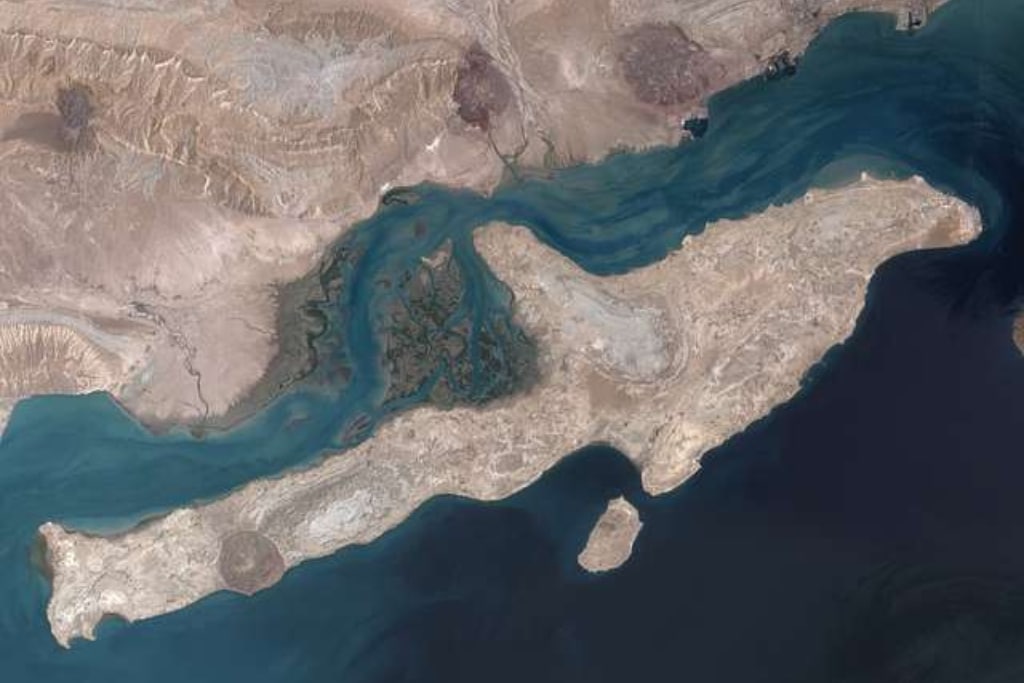
Much of Iran’s oil flows through the Strait of Hormuz, connecting the Persian Gulf to the Arabian Sea. This critical checkpoint carries 30% of global seaborne crude oil and gives Iran significant influence over global energy flows. In 2024, oil flow through the strait averaged 20 million barrels per day, resulting in nearly US$500 billion in annual energy trade. 

The immediate market reaction to the strikes was a sharp rise in crude oil prices, with benchmarks like Brent crude climbing to multi-month highs above $72 amid fears of disrupted supplies. Analysts and observers warn that geopolitical instability and further escalation could push oil prices above $100 per barrel. 

China’s Energy Stakes in Iran

A crucial but often overlooked dimension of the conflict is China’s deepening energy relationship with Iran. China has steadily become the dominant buyer of Iran’s crude oil, increasing its share from 25% in 2017 to nearly 90% in 2023. Much of this oil is purchased by Chinese independent refiners, known as “teapots,” primarily located in Shandong province. Data shows that Iran’s exports continued to grow, averaging 1.5 million barrels per day during the first eight months of 2024. In 2025, over 80% of Iran’s shipped crude went to China, amounting to about 1.38 million barrels per day, or roughly 13% of China’s total seaborne oil imports. These teapots, representing around a quarter of Chinese refining capacity, are attracted to the discounted, sanctioned Iranian crude oil – though they operate on narrow or even negative margins. 

Any disruption affecting Iran would not only reduce Tehran’s export capacity but also constrain China’s energy inflows and unsettle global oil markets, potentially forcing Beijing to secure alternative suppliers as well as reroute shipments along longer and more costly trade corridors while drawing on strategic reserves. The most direct consequence would be the elimination of the discounted Iranian barrels on which Chinese refiners have relied. Using 2025 export volumes as a benchmark, a price differential of $10-14 per barrel would raise China’s daily import bill by roughly $13-18 million, with knock-on effects on the Chinese economy and domestic energy security.  

Energy Security and Strategic Rivalry: US vs. China

For Washington, energy security carries a complex legacy, yet it has re-emerged prominently in public discourse, particularly during the Trump administration. President Trump’s strategy of achieving “energy dominance” has translated into fossil fuel- and critical mineral-friendly policy aimed at strengthening US leverage in global markets.

This approach prioritized deregulation and the rollback of subsidies and previously approved projects in the renewable sector, reflecting a strategic shift toward conventional energy sources as instruments of economic and geopolitical power.

In parallel, the US has maintained a substantial military presence in the Gulf for decades. The US military network, comprising air, naval, and ground installations across the region. This network serves not only as a deterrent against Iranian disruption but also as a guarantor of uninterrupted energy flows through critical chokepoints like the Strait of Hormuz. 

Meanwhile, China has framed its engagement in the Gulf primarily in an economic and development-oriented approach, avoiding overt political alignment. Its partnership with Iran is driven by energy security: heavily discounted Iranian crude supports China’s industrial base, while helping Tehran keeps its economy afloat amid Western sanctions that have restricted its access to global markets and finance. By sustaining these ties despite US pressure, Beijing positions itself as a global power capable of countering the US influence in Southwest Asia. 

Yet this relationship also exposes China’s vulnerability. As the world’s largest crude importer, it depends on stable Gulf energy flows, particularly from Iran. Therefore, military escalation against Tehran will force Beijing to secure alternative suppliers at higher prices, increasing its import bill and exposing its economy to inflationary pressures. It will also constrain Beijing´s expanding role in the Gulf energy landscape, linking the conflict directly to broader US-China strategic competition over access, influence, and control in global energy markets.

President Donald J. Trump oversees Operation Epic Fury at Mar-a-Lago, Palm Beach, FL, Feb. 28, 2026.
President Donald J. Trump oversees Operation Epic Fury at Mar-a-Lago, Florida, on February 28, 2026. Photo: Daniel Torok/The White House via Flickr.

Oil Shapes the Next Era of Geopolitics

While Trump has framed the US-Israeli military campaign against Iran as a counterproliferation effort in response to Iran’s refusal to renounce its nuclear ambitions, the confrontation cannot be understood solely through the lens of regime change or nuclear containment. The campaign is also embedded in a broader struggle over energy security and great-power rivalry. 

The escalation underscores how far the global energy transition still has to go: as long as strategic decisions are tied to fossil fuel supply chains, climate goals remain exposed to geopolitical instability. This crisis is more than a regional security issue – it reveals a systemic tension at the core of the global energy system, where reliance on oil, climate vulnerability, and international power rivalries are tightly linked and increasingly unpredictable.

Featured image: youngrobv/Flickr.

A jury’s verdict that found environmental campaigning group Greenpeace liable for more than $660 million was “patently biased,” according to a group of independent human rights lawyers.

This article was first published on March 21, 2025.

A jury’s verdict that found environmental campaigning group Greenpeace liable for more than $660 million was “patently biased” and “extremely disappointing,” according to a group of independent human rights lawyers who described the trial as “deeply flawed.”

The international lawyers and human rights advocates who monitored the marathon trial in Mandan, North Dakota, said Greenpeace was denied its right to a fair trial and described it as an “illegitimate corporate-funded SLAPP harassment case.”

SLAPPs, or Strategic Lawsuit Against Public Participation, have become a common tool to censor, intimidate, or silence critics by burdening them with costly lawsuits, often on grounds that the critiques are defamatory.

Indigenous-Led Protests

Dallas-based Energy Transfer sued Greenpeace International and its American branch, Greenpeace USA, in 2017 for hundreds of millions of dollars in damages for trespass, nuisance, defamation and other alleged offences in relation to protests that took place in North Dakota in 2016 and 2017.

The campaign was organized by youth from the Standing Rock Sioux Tribe and surrounding Native American communities to protest the construction of the Dakota Access Pipeline, which they argued posed a serious threat to the region’s water supply, ancient burial grounds, and historically significant cultural sites.

In early 2016, dozens of people set up water protector camps near the pipeline construction site at Lake Oahe. In the months that followed, the grassroots movement drew support from tribal governments, politicians, environmental and civil rights groups, and celebrities. At the peak of the demonstrations in September, the camp’s population reached as many as 10,000 people, making it the single-largest gathering of Native Americans in more than a century.

It ended on February 23, 2017, when National Guard and law enforcement officers evicted the last remaining protesters. The oil pipeline was completed in April of that year.

Pipeline’s developer Energy Transfer, an oil and gas company worth almost $70 billion, alleged that the defendants “advanced their extremist agenda to attack and disrupt” its business and its construction of the pipeline through “violent and destructive attacks.” It also alleged that Greenpeace “engaged in large-scale, intentional dissemination of misinformation and outright falsehoods,” including about the pipeline’s environmental impacts. 

The energy company’s CEO, a billionaire and Trump mega-donor Kelcy Warren, has previously said that environmental activists should be “removed from the gene pool.”

People protesting the Dakota Access Pipeline march past San Francisco City Hall.
People protesting the Dakota Access Pipeline march past San Francisco City Hall in 2016. Photo: Wikimedia Commons.

Greenpeace has always defended itself, saying it only played a minor role in what were, in fact, Indigenous-led protests.

According to Steven Donziger, an American attorney part of the independent monitoring team, just six of the nearly 100,000 protesters were from Greenpeace.

According to Daniel Simons, Senior Legal Counsel Strategic Defence for Greenpeace International, the organization’s involvement came in the form of funding for five members of an independent Indigenous networks to provide training on non-violent direct action for two weeks. Simons said the group conducted supply drives for the camps, provided short-term staff to help setting up the camp for winter, and donated lock boxes for protesters to form a human chain – though there is no evidence to prove these were ever used.

Backing Greenpeace’s claim that it was not directly involved in the protests was a Lakota organizer, who said in a video deposition played to jurors that the Standing Rock Sioux Tribe led the protests against the pipeline, not Greenpeace. “To be honest, most of the tribal nations didn’t know who Greenpeace was,” Nick Tilsen, an Oglala Sioux Tribe citizen and activist, said in his deposition, as reported by the North Dakota Monitor.

In a press release ahead of the trial, Greenpeace International described the lawsuit as “one of the world’s most brazen examples of SLAPP.”

‘Pervasive Bias’

Jeanne Mirer, a member of the independent trial monitoring group, said they “documented pervasive bias” in the jury pool towards Energy Transfer.

None of the nine jurors was Native American or a person of color. Several even conceded they had ties with the fossil fuel industry prosecuting the case and were biased towards the plaintiff, but the court failed to replace them. Requests to move the trial to a county not directly impacted by the protests also went unanswered, according to the monitoring group.

“The bottom line is that Greenpeace did not get a fair trial,” said Mirer, who is also President of the International Association of Democratic Lawyers. She described the verdict as “extremely disappointing but not surprising.”

The lawyers travelled to North Dakota to monitor the trial in person, after Judge James Gion refused a request from multiple news organizations, including The New York Times and The Washington Post, to livestream the proceedings as a matter of public interest.

The group also accused Gion of making decisions that ensured Greenpeace would not have a fair trial beyond refusing to ensure impartiality among the jurors. “The judge … repeatedly made evidentiary decisions that trespassed on basic legal rights protected by the First Amendment and prejudiced the ability of Greenpeace to present its full defense,” said Donziger, who is best known for his legal battles with Chevron.

American former attorney Steven Donziger.
American former attorney Steven Donziger. Photo: Wikimedia Commons.

The judge also allowed “lawyers for Energy Transfer to openly criminalize and defame” Greenpeace in open court, according to Donziger, who described the acts as “a sad commentary on our court system and on the lack of ethics of Energy Transfer.”

“In my six decades of legal practice, I have never witnessed a trial as unfair as the one that just ended in the courts of North Dakota,” said attorney Martin Garbus, an acclaimed free speech defender whose previous clients include Nelson Mandela and Daniel Ellsberg.

‘Good Chance’ of Winning Appeal

The jury ruled in favor of Energy Transfer on most counts after more than two days of deliberations, awarding the company roughly $667 million. Greenpeace repeatedly warned that such a sum – more than double the entire operating budget of Greenpeace Canada for its entire 54-year history – could bankrupt its US operations.

The campaign group works as an independent network funded by individual contributions and funding grants. It does not accept money from governments, corporations or political parties, according to its website. In 2023, Greenpeace USA had just a little over $40 million in revenue and support, and about $38 million in expenses, its financial statement shows.

“Being SLAPPed in the face with an over $660 million penalty for something we so clearly did not do is not for the faint of heart. But we are not faint of heart,” Greenpeace International’s Director Mads Christensen said following the verdict.

Susha Raman, Interim Executive Director at Greenpeace USA, said the sum was a “very large amount of money” for organizations like Greenpeace, but a “fairly small amount” for Energy Transfer.

“I will just say that this is a large judgment, and this is a large kind of matter for an organization, or set of organizations, like Greenpeace. But you can’t bankrupt a movement,” she told Inside Climate News.

Christensen slammed Energy Transfer, saying its lawyers “did not present a single piece of credible evidence” to support claims he described as “absurd.” This, many argue, makes for a strong appeal case, which Greenpeace is expected to lodge.

“The North Dakota case is so deeply flawed – at its core, the trial was really about crushing dissent – that I believe there is a good chance it will be reversed on appeal and ultimately backfire against the Energy Transfer pipeline company,” Donziger wrote in an opinion piece for the Guardian.

Amsterdam-based Greenpeace International has also launched a lawsuit against the company in the Netherlands, which it hopes will help recover all damages and costs it has incurred in relation to the North Dakota lawsuit. The case cites Dutch law as well as the European Union’s anti-SLAPP Directive. The EU law, which came into force in April 2024, aims to “protect persons who engage in public participation from manifestly unfounded claims or abusive court proceedings (‘Strategic lawsuits against public participation’).”

Featured image: Earthjustice/Flickr.

As the Lunar New Year begins, a collection of conservation wins offers renewed hope that biodiversity loss can be reversed, including green sea turtles coming back from the brink of extinction, wild horses returning to central Asia and rhino poaching declining.

Last week, firecrackers went off around the world in celebration of the Lunar New Year. According to the Chinese zodiac, 2026 welcomes the year of the Fire Horse – a symbol of vitality, energy and momentum. Experts recommend slowing down and managing the fast-paced changes of the Fire Horse by staying grounded. 

In that spirit, let us pause and reflect on some of the recent progress on biodiversity restoration. From species coming back from the brink of extinction to a decrease in wildlife crimes, here are some of the best conservation stories from 2025. 

From Endangered to Recovering

The International Union for Conservation of Nature (IUCN) is the global authority on the status of the natural world. As part of this work, it publishes the Red List of Threatened Species – the most comprehensive database on the conservation status of animals, plants and fungi, which categorizes species on a scale from “least concern” to “extinct”. Last year, the organization released the latest edition of the Red List, announcing that 20 species were downlisted, meaning they are no longer threatened with extinction. 

Topping the list was the green sea turtle, now classified as “least concern”. In the late 20th century, the species experienced a 48-67% decline due to factors including climate change, pollution, commercial fishing and illegal wildlife trade. However, thanks to conservation efforts, populations have increased by about 28% compared to recorded levels in the 1970s-80s. 

A green sea turtle in French Polynesia.
A green sea turtle in French Polynesia. Photo: Sharp Photography via Wikimedia Commons.

“The ongoing global recovery of the green turtle is a powerful example of what coordinated global conservation over decades can achieve to stabilise and even restore populations of long-lived marine species,” said Roderic Mast, the Co-Chair of IUCN’s Species Survival Commission Marine Turtle Specialist Group.

Along with green sea turtles, 12 bird species were also downlisted, including the Rodrigues fody and warbler, the last two bird species endemic to the small Mauritian island of Rodrigues. Populations of Alexandrine parakeets – named after Alexander the Great, who brought the bird back to Europe from his conquests in the Punjab – have also rebounded, with 90% of the overall population increasing

Two types of snail, three kinds of seabream, and a little nocturnal marsupial known as the shark bay bandicoot were also downlisted.

Long-Lost Species Come Home

In 2025, animals were spotted in places where they had not been seen for decades or even centuries across a diversity of landscapes.

In Papua New Guinea, for example, a survey of local fishers led to the rediscovery of the sailback houndshark, which had not been officially recorded since 1970. In conversations with local residents, researchers were told that six houndsharks had been caught as by-catch between 2020 and 2022. This finding highlights the vital importance of supplementing scientific research with local knowledge. 

Meanwhile, in Nepal, scientists recorded the presence of the Asian small-clawed otter – the world’s smallest otter – for the first time in 185 years. Although the otter’s vast range stretches from Indonesia to Nepal, it is currently classified as “vulnerable to extinction” on the IUCN Red List. The confirmed sighting came from Nepalese forestry officials who found an injured juvenile, offering a rare confirmation of the species’ continued presence in the region.

A Cape Vulture in flight at the Rhino and Lion Nature Reserve, Cradle of Humankind, Gauteng, South Africa.
A Cape Vulture in flight. Photo: Wikimedia Commons.

Over in the Eastern Cape province of South Africa, wild Cape vultures were sighted on a farm for the first time in three decades. The birds – the only species endemic to South Africa – have been steadily declining since the 1980s. “Sightings like this […] prove our work is making a difference, motivating us to keep fighting for these critical birds,” said Kerri Wolter, CEO and Founder of Vulpro, the organization that recorded the sighting. 

Rewilding Success Stories

What better way to mark the year of the Fire Horse than with the return of wild horses around the world? Two parallel initiatives are reintroducing Przewalski’s horses to fragile ecosystems, in the hopes of protecting and preserving local biodiversity. The world’s last subspecies were last seen in the wild in the 1960s. Today, all surviving Przewalski’s horses are descended from just 13 individuals through zoo breeding programs. 

The endangered Przewalski's Horse.
The endangered Przewalski’s horse. Photo: Dana Sacchetti/IAEA.

Efforts to rewild the horses began in China and Mongolia in the 1990s. Now, through the Prague Zoo’s Return of the Wild Horses project, rewilding is expanding into Kazakhstan. In 2025, seven horses were released into the Altyn Dala State Nature Reserve in Central Kazakhstan through the initiative, with more expected to be released in the coming years. 

In Spain, Przewalski’s horses are also being introduced to the municipality of Villanueva de Alcorón in Guadalajara, where wild horses roamed the Iberian highlands 10,000 years ago. 16 horses were first brought to the area in 2023, with the herd growing to 35 as of 2025. Conservationists hope that through grazing, the horses will mitigate the spread of wildfires which have had devastating impacts on local biodiversity.

In another rewilding win, the European wildcat is returning to the UK after being declared functionally extinct in 2019. For the last three years, 46 of these small felines have been released into the Cairngorms National Park in Scotland. In a sign that rewilding efforts have been successful, seven females gave birth to kittens in 2024, followed by five more last year. 

Rewilding the Scottish Wildcat.
The Scottish Wildcat. Photo: Sue Cro/Flickr.

“Just a few years ago, the species was teetering on the edge of extinction in Scotland. Now we’re watching them not only survive but start to raise their own kittens in the wild. That gives us real hope for the future”, said Helen Senn, Project Lead at Saving Wildcats. The South West Wildcat Project has similar plans to release 50 wildcats in England, starting in 2028

The pine marten is also being reintroduced in parts of England. Once prevalent across the UK, the small woodland mammal now only survives in Scotland. Following a successful reintroduction of 15 martens in Dartmoor in 2024, 19 martens were released in Exmoor last September. 

You might also like: Rewilding in Practice: The Return of the Scottish Wildcat

Shifting Trends in Illegal Wildlife Trade

Following decades of sustained pressure, new reports indicate that certain wildlife crimes are decreasing. According to a 2025 IUCN press release, poaching of African white rhinos has been declining since 2021, reaching its lowest rates since 2011 last year. Reports from the Indian state of Assam indicate that no one-horned rhino was poached in 2025 either. 

“Rhino conservation is proving that change is possible. While challenges do remain, successes in South Asia and parts of Africa show that intelligence-led enforcement, community engagement, and secure habitats can reverse declines,” said IUCN Director General Grethel Aguliar. 

Ivory sseized by the USFWS slated for destruction in the crush.
Seized ivory slated for destruction. Photo: Gavin Shire/USFWS.

According to the Wildlife Justice Commission, the trafficking of pangolin scales and ivory from Asia and Africa has decreased since global supply chains were disrupted by Covid-19. Between 2020 and 2024, the number of multi-ton seizures of ivory and pangolin scales substantially dropped. Additionally, the price of pangolin scales fell by around 70% between 2017 and 2021, while the price of ivory has been declining since 2013 – both signs of weakening demand. 

Finally, a study conducted in the Brazilian Amazon and published last year revealed that community-led patrols reduced the number of recorded environmental crimes by 80% in the 2003-2013 period. Contrastingly, government-led enforcement operations in comparable areas and for the same period led to no reductions. Once more, these findings underscore the importance of centering local communities within conservation efforts. 

The Case for Optimism

These stories offer a glimmer of hope at the start of a year that will undoubtedly be taxing. Optimism in these uncertain times can feel risky, and even naive, but it can also be a tool for resistance. It reminds us that we can recover. 

Progress does not happen overnight. It shows up in quiet, often unpredictable ways. It might take the shape of a young otter or a wild horse. It grows out of continued, concerted efforts by communities to do the right thing, to right the wrongs of the past and build a better future. 

These stories remind us that when people come together to take action, even the most fragile ecosystems can rebound and thrive.

Featured image: Wikimedia Commons.

This novel, ostensibly for young adults, follows a classic story arc: boy meets girl, they dislike each other at first, and later discover that they have more in common than they think. But the narrative takes place in a present-day context of climate action, with the teenagers’ struggles mirroring global climate challenges – in politics, activism, and matters of the heart.

The action opens under a literal cloud: the smoke of wildfires in the Pacific Northwest of the United States. The chapters are then narrated alternately by Isa and Darius, students at Lakewood High School, rivals for control of the Environmental Justice Club. Isa is a free spirit from a working-class family, who loves the Samoan dance her father introduced her to, and the food her mother cooks at a local restaurant. Darius is a driven, over-achieving student-athlete who collects Advanced Placement classes for fun and cannot decide between applying to Princeton or UCLA.

As co-presidents, the two clash over the mission of their club: should they focus on holding a Model COP in the style of a Model UN, providing a few high-performing students with an experience to put on their college applications (as the incumbent club leader Darius would prefer), or should they take Isa’s advice and engage the greater student population to tackle a local issue? Naturally, the real antagonist of the story is not Darius with his elitist ideas, but an amoral company behind the plan to install a new natural gas pipeline at the port.

If this sounds a lot like the daily conversations climate activists engage in, it is meant to. Everywhere in the book, core themes arise that reflect the decisions of the real-life climate community: local versus global action; which topic to prioritize (go vegan or target fossil fuel producers?); take immediate steps or prepare yourself to tackle the future; and, of course, mitigation or adaptation?

The frustrations of the characters ring true as they tackle these issues. At a low moment, Isa bursts out, “We’re stuck under this fucking immovable heat dome, and instead of getting everyone to talk about how we live in a world where we can’t buy food and have to worry about our homes going up in flames, all we can think to do about it is practice making speeches at a fake UN?!” With the possible omission of the word “fake”, it is a cri-de-coeur that could be heard at any climate conference. A later scene at a public hearing, where the hopeful teenage protagonists are steamrolled by the local political machine, also pulls no punches, and sounds distressingly familiar. Likewise, the somewhat inconclusive finale is an accurate picture of the state of the world today – despite local success we do not yet know whether our efforts will succeed. The good news is that, while working together toward their common goal, Darius and Isa find romance.

However, this book is not written (exclusively) for adults, but for the teenagers who will grow up in an overheated world. Does it work for them? Two young climate activists consulted for the purpose of this review did enjoy the book, but had thoughts about how it could have been better.

“What really worked for us is how the story shows climate change as something real and personal, not just stories we hear on the news, but stuff that actually affects daily life,” Dhaanya and Reaha Ganeriwal of MyGreenMantra told Earth.Org. “Isa and Darius come across like real teenagers doing their best to figure out how to make a difference. The book also does a great job showing local climate issues like wildfires and the gas pipeline.” 

However, the teens wondered whether the book would succeed in inspiring action. “We think the book could do more to make climate action feel cooler and more relatable. Sometimes the book’s activism moments feel serious or stressful, and adding more fun or funny moments or showing characters getting recognized could inspire more readers to jump in,” they said.

While the action in the book generally feels authentic, both this reviewer and the teens wondered at the relative absence of digital communications. “We all spend a lot of time online talking and sharing, and showing this gap between online chats and real-life talks would make the story feel more current and true to how Gen Z and Gen Alpha connect with friends and causes.” Is the story perhaps set in a near future, when a social media ban has been successfully enacted?

One delightful aspect of We Don’t Have Time for This is the casually diverse world of Lakewood High School. Stereotypes are neither embraced nor self-consciously ruptured; the characters simply exist as themselves within a community that includes Americans of a vast array of backgrounds. 

Despite a rather conventional storyline offering few surprises, the novel gives a rare picture of the climate crisis from the point of view of those most affected by it. As the teen readers pointed out, “We really appreciate how the book shows climate change through the eyes of people like us, kids who are going to live through these changes and want to do something about it.”

We Don’t Have Time for This
Brianna Craft
2024, Hyperion, 272pp

Check out more Earth.Org book and film reviews here.

The border between North and South Korea is a symbol of militarization and political tensions. It is also an area where the absence of human activity allowed nature and wildlife to flourish. “The demilitarized zone is a symbol of hope. It shows everything can be restored,” Seung-ho Kim, Director of the DMZ Ecology Research Institute, told Earth.Org. 

The demilitarized zone (DMZ) is a buffer zone created at the end of the Korean War in 1953. It covers everything 2 kilometers north and south of the border between North and South Korea, running 241 kilometres from east to west across the Korean Peninsula. Human access to the DMZ is heavily restricted, as it is one of the most fortified and militarized borders in the world. 

A Safe Haven for Wildlife

These 70 years of human absence have made the DMZ and its border areas a sanctuary for wildlife and plants, and one of the most biodiverse areas in South Korea. From wide wetlands to mountains covered with forests, its diverse landscape is home to nearly 6,200 wildlife species, according to the National Institute of Ecology. 38% of South Korea’s 267 endangered species, such as the Siberian musk deer, the leopard cat, the Asiatic black bear and the Korean goral, live there. 

White-naped cranes in a wetland in Korea's demilitarized zone (DMZ).
White-naped cranes in a wetland in the DMZ. Photo: DMZ Ecology Research Institute.

Seven of the 15 crane species in the world can be found within the DMZ, among them the endangered white-naped and the red-crowned crane. According to the DMZ Ecology Research Institute, while wetlands in China and Japan are disappearing, the DMZ offers a peaceful sanctuary for these migratory birds. 

Conservation and Preservation Efforts

Even though access is heavily restricted, several Korean organizations are involved in the conservation and preservation of the DMZ and its inhabitants. “For the past 30 years, Green Korea United has conducted extensive on-the-ground surveys across the Civilian Control Zone and border areas to monitor the habitats of endangered wildlife,” said Dasom Lee, Director of the Ecosystem Conservation Team of Green Korea United (GKU). 

The accumulated data from their surveys helped GKU successfully advocate for the designation of 70,000 hectares of land in the DMZ buffer zones as protected areas. “The preservation of the Civilian Control Zone south of the DMZ over the past 70 years is the result of both legal environmental protection and the restriction of human access due to military constraints,” Lee told Earth.Org. 

Access to the DMZ is highly restricted and tightly controlled, but pictures taken by unmanned eco cameras installed by the National Institute of Ecology offer a glimpse of the wildlife in the area. Field research can only be done in the Civilian Control Zone (CCZ), a buffer area south of the DMZ. While public access is also heavily restricted here, a limited number of people are allowed to enter, and even farm, within the CCZ area. The agricultural land is mainly used to grow rice.  

Field Research

Every week, Seung-ho Kim, Director of the DMZ Ecology Research Institute and volunteers from the institute enter the CCZ to conduct field research. “Interestingly, the small waterways of the rice paddies are home to the most endangered species. The paddies are very different from the rice fields outside the CCZ; they contain more weeds and are very traditional,” said Kim, who started the research centre in 2004 to preserve and protect the area through research and educational activities.

Red-crowned cranes flying over one of the wetlands in the DMZ.
Red-crowned cranes flying over one of the wetlands in the demilitarized zone. Photo: DMZ Ecology Research Institute.

He and his team also hope their observations can help improve biodiversity outside of the restricted areas. His goal is to create standards and protocols that are relatively easy to implement.

“We are testing microhabitats which can function as corridors to bring more wildlife. For example, the weeds in rice paddies could function as a corridor for deer, leopard cats or birds. This year, we are also testing rock piles to see how they function as a microhabitat for small mammals such as mice, reptiles, and snakes,” he explained.

Eco-Tourism

The uniqueness of the CCZ, its ecological value and the wildlife it inhabits have led to the development of small-scale eco-tourism activities over the past years. The presence of rare migratory birds has, for example, led to the development of bird-watching tours in the area. And the South Korean government developed the DMZ Peace Trail to help restore tourism in the border regions and to boost the local economy. 

Those who want to walk one of the 11 routes need to go through an identification verification process and can enter the area in small groups guided by local tour guides. To protect the environment, only small parts of the route can be walked; the rest can be visited by bus.

Lee sees a positive side to bringing small-scale eco-tourism activities into the area: “Even for Koreans, the DMZ remains a place of mystery, and it is a positive development for the public to learn about its ecological significance – such as being a vital sanctuary for the globally endangered red-crowned crane.” 

Paradox

But Lee is worried that improved political relations could lead to increased development pressure on the area: “We face a geopolitical paradox: when inter-Korean relations improve, ‘development pressure’ intensifies. Our greatest difficulty is the political reality where environmental conservation is rarely treated as a top-tier priority, regardless of the situation.”

A look over Korea's demilitarized zone (DMZ).
A look out over the DMZ. Photo: DMZ Ecology Research Institute.

GKU closely monitors plans developed for the CCZ and DMZ area. “We serve as a watchdog, strictly monitoring large-scale civil engineering projects that frequently resurface during election cycles or periods of eased tensions. Specifically, we demand practical alternatives to address forest degradation and the fragmentation of ecological corridors caused by military facilities,” said Lee.

While he hopes for peace between the two Koreas, Kim also sees how politics could be one of the biggest threats to the unique ecosystems of the DMZ and CCZ. “We want to conserve the area for wildlife, but I am worried politicians will ignore this after unification. In addition to its ecological value, the area should also be protected for its symbolic value. Even if there is a lot of military activity, nature can thrive here. For me, this is a symbol of hope,” he said.

Featured image: DMZ Ecology Research Institute.

Across centuries, women have maintained deep connections with the ocean, ranging from the commercial to the deeply spiritual. A new documentary series by Portuguese Director Raquel Martins explores this unique relationship, beginning with ‘Women from the Sea – Azores’.

Earth.Org is organizing a screening of the movie at The Hive Causeway Bay, Hong Kong, on February 6. Admission free (register here).

With the United Nations High Seas Treaty coming into effect last week, the ocean is gaining more attention than ever. The new film series “Women from the Sea”, part of an internationally endorsed project under the UN Decade of Ocean Science for Sustainable Development, was created to amplify the often-overlooked voices of women in ocean conservation. 

The heart of the film series is a collection of interviews with women who have some type of relationship to the ocean, whether professional, geographical, or emotional. As of December, the project has completed more than 1,000 interviews in 29 countries. The protagonists are fisherwomen, biologists, scientists, and sailors as well as architects, lawyers, teachers, and other women who share a deep emotional connection to the sea.

The first film focuses on women in the Azores, an archipelago in the mid-Atlantic and an autonomous region of Portugal. In the film, interview clips with women are alternated by footage of these women and girls interacting with the ocean and poetry readings in voiceover.

For the first part of the series, a total of 71 women from all nine islands of the archipelago were interviewed by Portuguese NGO Help Images. They span an extraordinary range of age, background, and profession. Their interviews, filmed against a velvet black background or interspersed with stunning natural footage of the Azores, are not shown in full; instead, individual clips have been grouped together around broad themes: personal and family backgrounds, their early relationship with the ocean, the challenges they and the ocean face together, and their hopes for the future.

What is most surprising about the women is how diverse they are. They range from natives of the archipelago and transplants from the Portuguese mainland to Polish and Spanish immigrants; some are scientists, while others are in the commercial fishing industry. Others are simply linked by a deep passion for the sea. The youngest is a nine-year-old girl, while the oldest can recall decades of love for the ocean, with several coming from families of fisherfolk stretching back generations. A few learned to swim before they could walk; others got their first glimpse of the ocean long after reaching adulthood. 

The dramatic Azorean landscape of plunging cliffs and rocky shores, with the waves of the restless ocean crashing against them, makes the film worth watching simply for the visual delight. In particular, its underwater cinematography puts the viewer in the ocean with the divers, snorkelers, and swimmers with an extraordinary immediacy.

The film begins and ends with a dramatic voiceover reading of Portuguese poetry that reflects its overall introspective, spiritual, and even somber tone. However, it is not without humor: several of the women give frank, outspoken interviews about their own challenges – for example, as the sole female fishing boat captain in a totally male profession – or the challenges that the sea faces today.

For these women, the sea is a source of experience, an inspiration, and their means of survival. At the same time, many have now begun to take on the role of the ocean’s protector. The final portion of the film, which focuses on the women’s observations of how the ocean has changed over time, serves as direct testimony to what might otherwise be the invisible impact of climate change on sea life.

The overall project is envisioned as a collection of feature-length documentaries filmed in diverse global locations, along with a four-part series delving into critical themes of marine litter, biodiversity, climate change, and circular economy. Each episode will be led by women making an impact in these areas through scientific research, academia, or through their professional careers. Its purpose is to increase public awareness of ocean health issues, the blue economy, and how gender equity enhances marine science and policy. The filmmakers are also establishing an online platform within the Ocean Decade Forum to unite women worldwide in ocean science, conservation, and innovation.

Watch Our Interview With Raquel

The first film premiered in the Azores in July 2025 and was subsequently screened in Portugal and other locations in Europe. It is coming to Hong Kong and Macau in February 2026. It will be available on streaming services following its theatrical release.

Women from the Sea: Azores (watch the trailer)
Directed by Raquel Clemente Martins
2025, Help Images, 77 minutes

Check out more Earth.Org book and film reviews here.

As temperatures and greenhouse gas emissions rose last year, the number of stories about climate change in news sources around the world took a dramatic plunge.

In a media environment increasingly cluttered with political turmoil and institutional climate change denialism, mainstream media around the world last year drew back from reporting on climate change, according to new reports. 

This drop occurred despite increasing reader interest in the topic, while greenhouse gas emissions and atmospheric carbon dioxide concentrations continued to hit new historic highs. According to a year-end analysis by the Media and Climate Change Observatory (MeCCO), climate-related issues, events, and developments in 2025 garnered less frequent coverage around the world, down 14% in 2025 compared to the previous year 2024, and 38% lower than the highest year of coverage in 2021. In fact, last year’s coverage ranked just 10th in the past 22 years of tracking global coverage of climate change or global warming.

According to the analysis, no record was broken in 2025 in the volume of articles referencing “climate change” or “global warming” per month in any region – unlike previous years. While January saw a higher level of reporting in Asian newspapers than previous years, a significant drop occurred in December, with the volume of coverage in Europe and North America reaching levels not seen since August 2016 and February 2018, respectively.

The aftermath of the floods in Valencia, Spain, in November 2024.
The aftermath of the floods in Valencia, Spain, in November 2024. Photo: Wikimedia Commons.

This 2025 downward trend contrasts with the reality of global warming and greenhouse gas emissions: last year was the year with the highest carbon dioxide concentrations in the atmosphere since records began, fueled by total energy-related CO2 emissions that increased by 0.8% in 2024, hitting an all-time high of 37.8 Gt.

Engagement Stagnates, Reader Interest Grows

A separate analysis, by the Reuters Institute for the Study of Journalism, sought to understand how people engaged with climate change news and information in 2025. It drew on four years of comparable data collected in the same eight countries. This year’s report confirmed a previously identified trend of “climate perception inertia” – a stagnation in public views, attitudes, and engagement with climate information over time. The report found that the use of climate news and information is in decline in France, Germany, Japan, the UK, and the US, but stable in Brazil, India, and Pakistan.

However, the reduction in use of climate news is not for lack of consumer interest. According to the report, “Interest in climate news and information remains high and stable in most countries, suggesting that declines in climate news use are partly driven by reduced supply (especially on TV).”

This finding of continued interest is consistent with what editorial boards observe. Lyndsey Layton, Climate Editor of US-based media The New York Times, told Earth.Org in an email, “Our readers care deeply about the social and environmental impacts of climate change, and the underlying policies and potential solutions… Reader interest in our climate journalism grew in 2025 and this year we’re continuing to innovate new story forms, invest in visual journalism, expand our coverage, and produce strong, independent climate journalism.” 

When asked if the Times’ amount of climate reporting had gone up or down in 2025, Layton did not give a direct answer.

According to the Reuters Institute, half of the survey respondents say they trust the news media as a source of climate information, and this has remained stable in most countries since 2022. Trust is highest in Pakistan (72%) and lowest in France (36%). Trust in scientists as a source of news and information about climate remains high, and has grown slightly since 2022 (68% to 71%). Trust in politicians and political parties remains low (23%). The trust gap between the politicians and scientists has grown by five percentage points (pp) since 2022.

Meanwhile, according to the 2026 Edelman Trust Barometer, media as an institution were distrusted in 13 of the 28 countries measured in 2026, with journalists trusted less than “my neighbors”, and businesses gaining trust, especially among educated or higher income groups. Despite a decline, scientists and teachers remained the most trusted sources of information.

Featured image: Jörg Farys/Fridays for Future Deutschland/Flickr.

From mass firings and climate research funding cuts to the rollback of environmental protections and a retreat from international pledges, Earth.Org examines some of US President Donald Trump’s most consequential actions since his inauguration on January 20, 2025, and what they mean for Americans and the world.

2025 was a pivotal year for US climate policy. Since assuming office for his second term, Donald Trump has taken sweeping actions to reverse America’s environmental agenda and withdraw from international commitments. These moves have fundamentally altered the nation’s role in the global fight against climate change, a crisis the President has dismissed as a “con job”.

Unleashing Fossil Fuels

A long-time defender of planet-warming fossil fuels, Trump’s focus has been focused on strengthening ties with the industry in spite of the countless climate commitments the US has made at home and on an international level. From a former fracking executive taking the reins of the Energy Department to an Environmental Protection Agency (EPA) packed with political appointees who formerly lobbied for the chemical and fossil fuel sectors, Trump has surrounded himself with the right people to execute his anti-climate agenda.

More on the topic: Meet Trump’s Anti-Climate Cabinet

On day one, Trump declared a “national energy emergency”. It came despite the fact that the US had hit record production levels under the previous administration and was currently producing more oil than any other nation in history. The move allowed the administration to reverse many of the Biden-era environmental regulations and open up more areas to oil and gas exploration. And that is exactly what followed.

The Trump administration has moved to maximize oil and gas development in Alaska, reversing Biden-era restrictions on the 23-million-acre National Petroleum Reserve-Alaska and reopening the Arctic National Wildlife Refuge for drilling. He is now looking to take his “drill, baby drill” mantra abroad, having recently unveiled plans to extend his reach to Venezuela’s vast oil reserves.

In April, Trump signed a series of executive orders aimed at reviving a dying coal industry by expediting leases and streamlining permitting for coal mining on federal land. This contradicts global trends, with nearly 60 countries having drastically scaled back their plans for building coal-fired power plants since the Paris Agreement was passed in 2015. The US itself retired or announced the retirement of hundreds of coal plants. Aside from being the dirtiest type of fossil fuel, coal is widely seen as an uncompetitive and unsuitable energy source, costing significantly more than renewables like wind and solar.

Trump has frequently targeted those renewable sources, missing no opportunity to spread falsities about clean energy. He has called wind turbines “pathetic and so bad” and falsely claimed they are killing people. He also frequently asserts that wind is “the most expensive form of energy,” ignoring data showing it is significantly cheaper than fossil fuels in both manufacturing and electricity generation.

A group of coal miners clap as President Donald Trump signs executive orders on the coal industry on April 8, 2025.
A group of coal miners clap as President Donald Trump signs executive orders on the coal industry on April 8, 2025. Photo: The White House/Flickr.

As part of the plan to prioritize fossil fuels, the administration has blocked billions of dollars in funding earmarked for clean energy projects across the US. Several lawsuits were filed in response; many are still ongoing, leaving affected organizations in limbo and unable to carry out their work.

The Trump administration is also going after state laws addressing polluting forms of energy, like California’s cap-and-trade system and climate superfund laws in New York and Vermont.

More on the topic: Two Courts Block Trump Administration’s Attempt to Halt Clean Energy Projects

Lowering Accountability for Polluters

Trump has also rolled back dozens of environmental rules, including national air quality standards for particulate matter, limits on wastewater discharges for oil and gas extraction facilities, and regulations on power plant emissions and vehicle pollution. He also took aim at electric vehicles, halting the distribution of unspent government funds intended for vehicle charging stations under the $5-billion National Electric Vehicle Infrastructure Fund.

This month, the EPA announced it will no longer calculate the monetary benefits of air pollution rules in terms of healthcare savings or avoided deaths. Going forward, rules for fine particulate matter, or PM2.5, and ozone will exclusively prioritize the costs to industry. In a statement reported by media, the agency said it “absolutely remains committed to our core mission of protecting human health and the environment” but “will not be monetizing the impacts at this time.” The decision has drawn sharp criticism from environmental and public health advocates.

“The idea that EPA would not consider the public health benefits of its regulations is anathema to the very mission of EPA,” said Richard Revesz, the Faculty Director of the Institute for Policy Integrity at New York University School of Law.

Suppressing Climate Research

Trump’s aggressive rollback of climate action took direct aim at science. In the past year, his administration has erased scientific data and slashed billions of dollars in funding for climate research.

In the early months of 2025, tens of thousands of federal workers were abruptly fired from agencies such as the US Agency for International Development (USAID), the EPA, the National Science Foundation, the Forest Service, and the National Oceanic and Atmospheric Administration (NOAA). Many of these employees were engaged in vital climate-related research and conservation work, as well as providing essential services like weather forecasting and wildlife monitoring.

The administration has also signaled intentions to dismantle key research centers, including the Colorado-headquartered National Center for Atmospheric Research, which provides critical data on air quality, tools to improve aircraft safety, wildfire mitigation strategies, and forecasts for droughts, extreme precipitation events, and tropical cyclones. Another target is NOAA’s Mauna Loa Observatory, which has been collecting essential data on climate change, atmospheric composition, and air quality since the 1950s.

The Mesa Laboratory of the National Center for Atmospheric Research in Boulder, Colorado.
The Mesa Laboratory of the National Center for Atmospheric Research in Boulder, Colorado. Photo: Wally Gobetz/Flickr.

The White House also terminated funding for the US Global Change Research Program, the federal body responsible for producing the nation’s most comprehensive climate reports on the impacts of rising global temperatures. It also shut down climate.gov, NOAA’s primary public-facing website for climate science, and axed NOAA’s Billion Dollar Weather and Climate Disaster dataset, which has provided vital information for first responders, the insurance industry, and researchers to plan recovery efforts and assess weather-related risks.

More on the topic: Climate Group Brings Back Billion-Dollar Disaster Database Axed By Trump Administration

The cuts extended to international climate efforts as well. In February, the administration pulled the US out of global discussions regarding an upcoming global climate change assessment carried out by the Intergovernmental Panel on Climate Change (IPCC). President Trump also ordered federal scientists at NOAA and the US Global Change Research Program to cease all work related to IPCC climate assessments, effectively ending US involvement in one of the world’s most critical climate evaluation efforts.

Retreating From the International Stage

Earlier this month, the White House announced that the US will withdraw from 66 international bodies, conventions and treaties, including key climate treaties, deemed “contrary to the interests” of the country. The list comprises 35 non-United Nations organizations and 31 United Nations organizations – many of which conduct pivotal work on climate change. These include the Intergovernmental Panel on Climate Change, the world’s most authoritative scientific body on climate change, the International Union for Conservation of Nature, the global authority providing technical and policy advice to drive conservation, and the UN Framework Convention on Climate Change (UFCCC), the primary global treaty for coordinating international climate action.

The announcement drew strong criticism from experts, world leaders, and the scientific community, who warned that the US will be left behind as the rest of the world embraces the energy transition, shifting away from costly and polluting fossil fuels to cleaner and more affordable renewables like solar and wind. The decision was just the latest in a series of moves aimed at retreating the US from international climate commitments.

Over the past year, the US has exited the Paris Agreement, withdrawn from the board of the Loss and Damage fund for developing nations, and abandoned the Just Energy Transition Partnership, a flagship global climate financing program by rich nations to help developing countries quit coal. It also derailed international negotiations for a global shipping carbon levy and actively obstructed talks for a global plastic treaty, which ultimately collapsed in August after the US and several petrostate allies opposed mandatory caps on plastic production. For the first time, the US also did not send any representatives to the COP30 climate talks in Brazil.

Luiz Inácio Lula da Silva, President of Brazil, and First Lady Janja Lula da Silva attend the Opening of the 30th Conference of the Parties to the United Nations Framework Convention on Climate Change (COP30) in the Brazilian Amazon.
World leaders and delegates attend the opening session of the 30th Conference of the Parties to the United Nations Framework Convention on Climate Change (COP30) in the Brazilian Amazon. Photo: UN Climate Change/Zô Guimarães via Flickr.

Domestic climate financing efforts have also been gutted. Contributions to the Biden-era US International Climate Finance Plan, which leveraged multilateral and bilateral institutions to assist developing countries with climate mitigation and adaptation, were abruptly halted. Similarly, $4 billion in US pledges to the Green Climate Fund – the world’s largest fund dedicated to global climate action –were rescinded under Trump’s administration, further weakening the nation’s role in addressing the global climate crisis.

You might also like: These Companies Are Backtracking on Climate in Bow to Conservatives

Dismantling Environmental Justice Programs

The Trump administration dismantled federal environmental justice initiatives, prioritizing economic deregulation over investments aimed at addressing pollution and inequality in underserved communities. One of its most significant actions was the termination of the Justice40 program. The program was designed to direct federal investments to disadvantaged communities disproportionately affected by pollution hazards, wastewater, climate change impacts, and high energy costs.

The EPA also shut down all 10 of its regional environmental justice offices, which had been instrumental in addressing pollution issues in low-income, historically marginalized, and disadvantaged communities. Experts warned that the move would leave “those living, working, studying, and playing near polluting industries, smog-forming traffic, and contaminated waterways and soil, with little support from the very agency they rely on to enforce protective laws.”

The administration also engaged in a widespread campaign to remove, edit, and restrict access to critical data tools used for monitoring environmental, climate, public health, and demographic information. These tools were essential for identifying and addressing the needs of marginalized communities, leaving advocates and researchers with limited resources to track and address systemic environmental injustices.

Rolling Back Animal and Nature Protections

The Trump administration moved to roll back key protections under the Endangered Species Act, which has safeguarded plants and animals since the 1970s and is credited with preventing the extinction of hundreds of species. One significant change was the elimination of the US Fish and Wildlife Service’s “blanket rule”, which automatically provided protections for species listed as “threatened.” The law has been credited with preventing the extinction of hundreds of species.

Trump also ordered the removal of key protections to allow commercial fishing in parts of the nearly 500,000-square-mile Pacific Island Heritage National Marine Monument, located about 750 miles west of Hawaii. Home to protected and endangered species, including turtles, whales and Hawaiian monk seals, the area has long been off-limits due to its ecological significance. The administration argued that marine protected areas put American commercial fishermen at a disadvantage, despite evidence from studies showing that these areas benefit both marine ecosystems and fishermen by allowing overfished species to recover.

US President Donald Trump signs a proclamation to unleash American commercial fishing in the Pacific Ocean—a key component of the America First Fishing Policy, on April 17, 2025, in the Oval Office.
US President Donald Trump signs a proclamation to unleash American commercial fishing in the Pacific Ocean, on April 17, 2025, in the Oval Office. Photo: The White House/Flickr.

It wasn’t a good year for national parks either. Since Trump took office, the National Park Service has lost 24% percent of its permanent workforce. According to the New York Times, over 90 national parks reported problems between April and July, stemming from staff cuts and a hiring freeze that affected roles ranging from cleaners to rangers and visitor center staff. The cuts undermined essential park services and maintenance during a time of increased visitation.

In June, Agriculture Secretary Brooke Rollins announced plans to rescind a Clinton-era rule that prohibits road construction, reconstruction, and timber harvest on nearly 59 million acres of the National Forest System. It followed a March executive order and a memo issued by Rollins in April, which laid the groundwork for a major increase in industrial logging across federal forests. Green groups warned that timber and mining activities would pollute air and drinking water and strip away essential habitats for wildlife such as California condors, grizzly bears and wolves of the Yellowstone area, native salmon and trout in the Pacific Northwest, migratory songbirds of the Appalachian hardwoods.

Featured image: Daniel Torok via The White House/Flickr.

You might also like: Meet Trump’s Anti-Climate Cabinet

Climate activists in Indonesia face increasing suppression through Strategic Lawsuits Against Public Participation (SLAPP) and restrictive provisions in the new Criminal Code. While constitutional protections safeguard free expression, these rights are often undermined by vague defamation laws and a growing trend of authoritarian backsliding.

Since the downfall of General Suharto in 1998, Indonesia has been free from the clutches of violent dictatorship and military rule. A hopeful era of democracy followed, a period known as reformasi (reformation). Yet in recent years, Indonesian democracy has been backsliding into authoritarianism. Environmental activists in particular, such as Heri “Budi Pego” Budiawan, have had their voices suppressed through criminal action or malicious lawsuits. The latest iteration of the Criminal Code, which took effect in January 2026, upholds this restrictive regime.

Strategic-Lawsuits-Against-Public-Participation (SLAPP) are lawsuits used by the powerful to suppress the democratic rights of Indonesian people. 

SLAPP is typically initiated by corporations or government entities to silence, threaten or intimidate persons who exercise their public rights against their interests, be it a political commentator who accuses the president of corruption or a concerned citizen who opposes a corporation’s mining project. The more powerful parties respond by initiating malicious lawsuits, such as civil or criminal defamation. 

Background to the Indonesian Legal System

To understand how SLAPP operate in Indonesia, their effectiveness and the systems that can constrain SLAPP, it is necessary to discern the legal system. 

As a former Dutch colony, Indonesia is broadly influenced by civil law, unlike the US, the UK, Australia or other former British colonies. This means that Indonesia was built on the inquisitorial system, where judges can participate in “fact-finding”, rather than the adversarial system, where judges operate as a referee whilst the conflicting parties battle out or resolve a dispute. 

However, similarly to the US or Australia, Indonesia has a written constitution that operates as a check against its legislative body. Indonesia does not subscribe to the UK model of parliamentary sovereignty, where there is no written constitution to limit the law-making abilities of the legislature. 

The Indonesian Constitution is central to combating SLAPP and the suppression of democratic and environmental rights. Article 28E(2) provides for the freedom of thought and conscience and Article 28E(3) for the freedom to associate, assemble and express opinions. Furthermore, Article 28F provides for the freedom to obtain and convey information through all types of channels. As a result, the freedom of expression, speech and protest is deeply entrenched into the Indonesian constitution. 

Nevertheless, the text does not advocate for an unrestrained free expression as Article 28J ties the right to free expression with the duty to uphold morality, religious values, security and public order. 

The Articles of the Constitution are implemented and given specificity through laws such as Law No. 9 of 1998 on Expressing Public Opinions and Law No. 39 of 1999 on Human Rights, Law No. 11 of 2008 on Electronic Information and Transactions.

The Effect of the Criminal Code on Democratic Rights

The founders of Indonesia may have envisioned extensive democratic rights through the constitution. Nevertheless, in practice, those rights can be limited by the Criminal Code, in particular Indonesia’s unique criminal defamation law framework. 

In a general sense, defamation refers to false statements that harm a person’s or entity’s reputation. Defamation can either be enforced through civil or criminal law frameworks or both, across varying global jurisdictions. 

Until 2022, Indonesia was governed by a colonial Dutch Criminal Code, known as Wetboek van Strafrecht, or KUHP. In December 2022, the Indonesia government passed a new Criminal Code, which has been in effect and has completely replaced the previous Criminal Code since January 2, 2026. 

Like its predecessor, the new Criminal Code contains an extensive criminal defamation framework, providing fertile ground for developing SLAPP cases. Chapter 17 of the new code – the criminal defamation chapter – has provisions such as Article 433, which prohibits “verbally assaulting” a person’s honour or reputation with the intention to be made public, subject to a penalty of imprisonment up to nine months. There are nine other Articles in this chapter, such as libel or submitting false allegations. 

The criminal defamation framework is also supported by Chapter 2 of the new Criminal Code, Crimes Against the Dignity of the President or Vice President, as another basis for SLAPP. Article 219 is the most restrictive, as it prohibits broadcasts, displays, writing or pictures that are made public which “assault” the honour, dignity or prestige of the president or vice president, with four years imprisonment as a maximum penalty. 

The Rise of SLAPP

SLAPP is not unique to Indonesia. It is a weapon used globally, and legal academics have argued that filers of SLAPP cases “do not care that they cannot ultimately prove their allegations.” This is because SLAPP is designed to intimidate, to prevent their targets from fighting back due to fear of potential consequences such as imprisonment – even if the case itself is unlikely or impossible to succeed in court.

The core issue is not the concept of criminal defamation but rather that its presence can enable bad faith actors to report and allege criminal defamation unjustifiably. Given that imprisonment is a likely outcome, the allegations themselves are often sufficient to silence protest. 

When the targets of SLAPP have the resources and the legal understanding to fight back or file counter lawsuits, they are often successful against a baseless SLAPP action. For example, in Australia, Australian Wool Innovation sued their critics – were members of People for the Ethical Treatment of Animals (PETA) – for torts of conspiracy and intimidation. The Court clearly held that these claims were “shapeless” and “embarrassing”, ultimately dismissing the allegations.

In a similar way, Indonesian courts have also ruled against SLAPP actions when the targets of SLAPP challenge a baseless lawsuit in court. 

Can the Constitutional Court Restrict SLAPP and Restrain the Criminal Code?

The Constitutional Court of Indonesia has been able to somewhat restrict the Indonesian Criminal Code as a vehicle for SLAPP. 

An example is the Court’s ruling on Article 134 of the old Criminal Code, which prohibited “deliberate insult” against the president or vice president. This was held unconstitutional and revoked by the Constitutional Court in 2006.

The court ruled that the president and vice president cannot have a “treatment” of “legal privilege”, as those provisions originally applied to the Dutch monarch – designed to shield the royal family from critique. Therefore, it was held that Article 134 of the Criminal Code contradicted Article 27(1) of the Indonesian Constitution, which translates to: “All citizens shall be equal before the law and the government and shall be required to respect the law and the government, with no exceptions.”

Constitutional Court of Indonesia in Jakarta.
Constitutional Court of Indonesia in Jakarta. Photo: Wikimedia Commons.

In a separate ruling by the Constitutional Court, Article 154 of the old Criminal Code ( “Any person who publicly gives expression to feelings of hostility, hatred or contempt against the Government of Indonesia, shall be punished…”) was overturned as well.  The Article was held unconstitutional because citizens are entitled to critique the government, and such criticism would otherwise be regarded as hostility against the government.

Despite these rulings, the Indonesian government ultimately recreated very similar Articles in the new Criminal Code, such as the aforementioned Article 219. Until those new provisions are challenged in the Constitutional Court, they will operate to suppress Indonesian voices.  

Indonesian environmental activists are especially vulnerable, as they challenge the interests of corporate and state actors. 

SLAPP Lawsuits Target Environmental Protests

In 2024, according to the Economist Intelligence Unit, Indonesia’s democracy index was ranked 59th in the world, below countries such as Malaysia, Philippines and Namibia. Indonesia is considered a “flawed” democracy, below countries of full democratic status.

Between 2014 and 2024, according to WALHI, there were 1,131 cases of criminalization against environmentalists. Criminalization not only includes criminal cases, but also arrests, charges or other punitive legal action. 

Protesters in Bandung City, Indonesia.
Protesters in Bandung City, Indonesia. Photo: Pexels.

According to a journal article published by the University of Negeri Semarang, SLAPP is often used by corporations to suppress environmental protests. 

An example of this is Budi Pego, a resident who protested the operation of a gold mining company in East Java. He was charged with spreading communism by allowing an anonymous person to draw a palu arit (hammer and sickle) on a banner rejecting mining activities. Pego was found to have committed crimes against state security and was initially sentenced to 10 months in prison, and then later four years upon appeal. On appeal, the Supreme Court reasoned that the symbol of the Indonesia Communist Party (PKI) is “still prohibited in Indonesia.”  Moreover, the use of the logo was regarded as an effort to revive the teachings of communism. As communism is in complete opposition to Indonesia’s religious identity and prohibited by their constitution, it was considered to be an invalid means of environmental protest by the Supreme Court and the SLAPP was held as legally sound.

Nonetheless, there are many instances where corporate or government actors have illegally engaged in SLAPP to suppress environmental protests. A clear example is the Basuki Wasis case. Wasis, an environmental science lecturer, was invited by Indonesia’s Corruption Eradication Commission (KPK) to give expert testimony on environmental damage caused by a company that had obtained its operating permit from regional governor Nur Alam. Wasis testified that the company’s operations caused environmental harm, and the panel of judges relied on that testimony when calculating state losses. Afterward, Governor Alam brought a tort and criminal claim against Wasis, seeking Indonesian Rupiah (around US$83,000) in damages. The court rejected the lawsuit, holding that expert testimony adopted by judges becomes a legal opinion of the court and is thus protected.  

Perhaps the most important victory for environmental protestors fighting SLAPP occurred in 2021 with the Robandi case. Robandi was head of a civil apparatus state (ASN) in Kenanga village. The plaintiffs were part of the Kenanga village community who filed a class action lawsuit against an Indonesian industrial company for alleged pollution by factory waste. The lawsuit was unsuccessful.

Following the failed civil suit, Robandi was reported to police on charges of violating the older Criminal code, such as for allegedly falsifying documents. During the appeal process, the Bangka Belitung High Court overturned the previous decision and acquitted Robandi. The court relied on Article 66 of an Indonesian Law on Environmental Protection, which states that any individual who fights for the right to a good and healthy environment cannot be prosecuted, through criminal or civil action. 

Article 66 is undoubtedly one of the strongest anti-SLAPP provisions in Indonesian environmental law.

In Need for Reforms

Despite a chequered history, Indonesia overcame the clutches of dictatorship and military rule to become a democratic nation. A period of reformation was ushered in and Indonesian civil society and democratic participation flourished. 

The recent years present the reverse trend, where the nation has backslided towards authoritarianism once more. SLAPP, facilitated by the Indonesian Criminal Code, is a key tool for corporate and political suppression of citizens. Although the Constitutional Court has acted to deem some of these lawsuits and their underlying criminal provisions as illegal or unconstitutional, SLAPP continues to remain pervasive. The Indonesian public must be made aware of their rights, to combat the illegal use of civil or criminal law to repress public participation. Beyond education, a second reformasi may be needed to pave the way for the future of an active democratic populace.

Subscribe to our newsletters

The best environmental stories of the week and month, handpicked by our Editor. Make sure you're on top of what's new in the climate.

SUBSCRIBE
Instagram @earthorg Follow Us