

Water infrastructure is increasingly and deliberately targeted in modern warfare as a strategic tactic of the evolving warfighting strategies, as recent events in Iran have shown.
—
Water infrastructure has increasingly become a silent but critical dimension of modern conflict.
In arid regions, desalination plants are not merely industrial facilities; they are lifelines that sustain entire communities. Iran, like several countries in the Middle East, has invested in desalination infrastructure and the transfer of water from the Persian Gulf to water-poor areas in central Iran. Desalination facilities on Qeshm Island, the largest island in the Persian Gulf near the Strait of Hormuz – known for arid climate and water scarcity – are crucial for providing the surrounding rural settlements with reliable groundwater.
Earlier this month, Iranian officials accused the US of attacking the desalination infrastructure in the island, cutting water supply to 30 surrounding villages.
Such attacks are not merely incidental damage during military operations. Rather, they reflect a growing pattern in modern warfare in which water infrastructure is deliberately targeted as a strategic tactic of the evolving warfighting strategies. Disrupting access to water in conflicts can severely compromise people’s livelihoods, while crippling agricultural economies and impacting food security. In fact, targeting water systems weaponizes one of the most fundamental human rights – the right to water – turning an essential resource for life into a tool of coercion and pressure against civilians in conflict contexts.
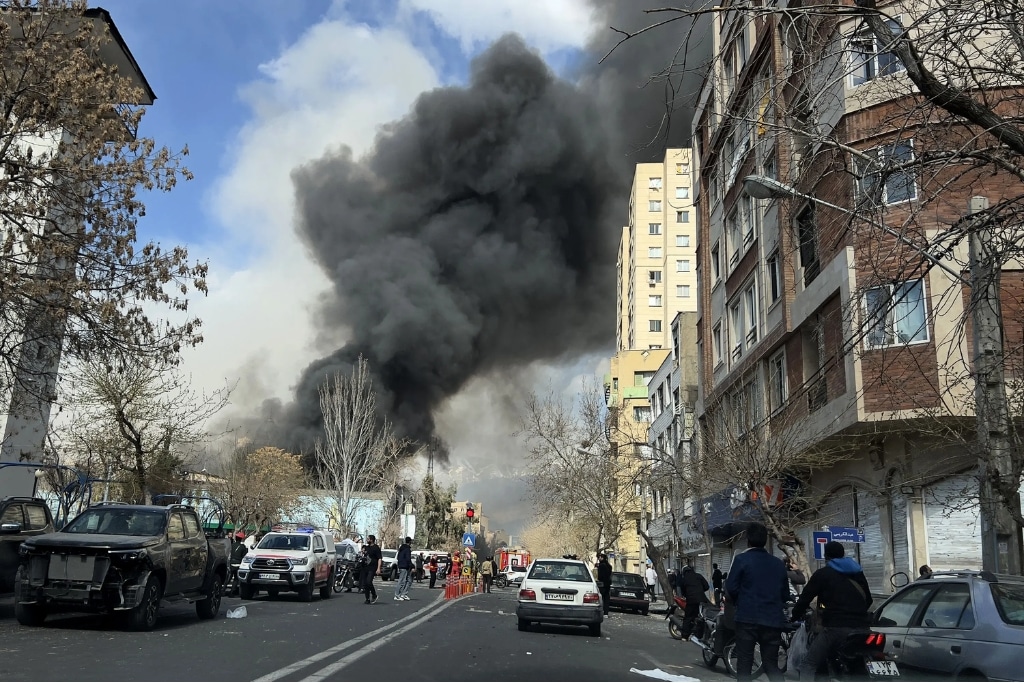
Historically, the vulnerability of desalination infrastructure has been recognized worldwide. During the Gulf War in 1991, Iraqi forces sabotaged much of Kuwait’s desalination plants, leaving millions without reliable water. More recently, Yemen’s Houthi groups launched drone and missile attacks on Saudi desalination facilities at Al-Shuqaiq in 2019 and 2022, demonstrating that water infrastructure continues to be a strategic target in regional conflicts.
Globally, desalination plants in the Gulf Cooperation Council (GCC) region – a political and economic union of six Arab states bordering the Arabian Gulf – produce 40% of the world’s total desalinated water. This highlights how attacks on these facilities have far-reaching consequences beyond their immediate location. Understanding the targeting of water infrastructure, therefore, requires examining its humanitarian and legal dimensions, particularly in contexts where civilian populations are directly affected.
Dimension of Weaponizing Water in Conflicts
The deliberate targeting of water infrastructure reflects multiple overlapping motives and methods that extend far beyond immediate physical destruction. Research on the weaponization of water shows that water systems hold strategic, tactical, and psychological value, which often drives their targeting during conflict.
Cutting off water supplies is motivated by tactical motives of military necessity, such as designating pumping stations or desalination plants as military objectives to impede the advance of adversaries, but also by broader strategic objectives, including weakening governance structures and coercing political concessions. In some cases, attacking water systems or cutting water supply serves as a means to force displacement, dominate civilians or collectively punish them. Even when water systems are not intentionally and directly attacked, they still collapse from the cumulative impact of urban warfare, deepening the humanitarian consequences for civilians.
Modes of Water Weaponization
Water is typically weaponized in two ways: through deprivation, by denying or contaminating access to water resources, and through inundation, by deliberately releasing stored water or manipulating water flows to generate flooding.
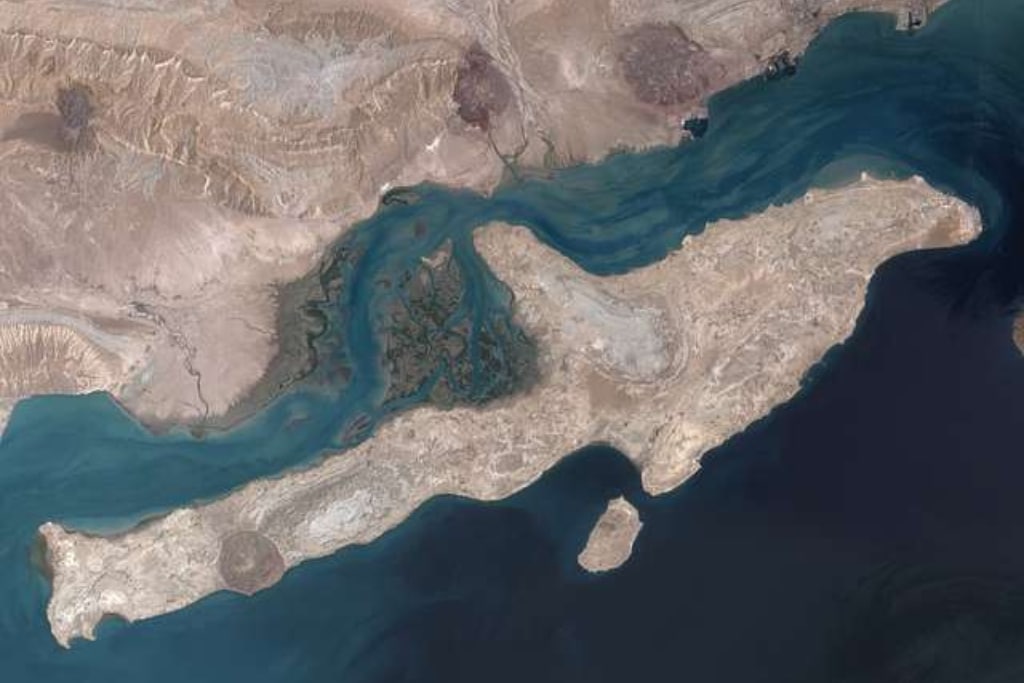
Recent reports of strikes on desalination facilities on Iran’s Qeshm Island illustrate how these dynamics intersect in practice. In water stressed-regions such as Iran, where water infrastructure is highly centralized and where resource scarcity exacerbates existing inequalities, targeting such facilities is not a mere military escalation but can amplify pressure on civilian populations, particularly marginalized groups.
In this sense, water – particularly in conflict settings – has become a mechanism of political and social control, highlighting how environmental resources are intertwined with military strategies.
What Does International Humanitarian Law Say?
International humanitarian law recognizes the gravity of attacks on water systems.
The legal framework governing armed conflict, particularly the Geneva Conventions and their Additional Protocol I, explicitly prohibits attacks against objects indispensable to the survival of civilian populations. Article 54 of Additional Protocol I states that parties to a conflict must not destroy or render useless installations that provide drinking water to civilians, including desalination plants, reservoirs, and irrigation systems.
This legal principle is reinforced by customary international humanitarian law, as articulated by the International Committee of the Red Cross, which emphasizes the obligation to distinguish between military targets and civilian infrastructure. Deliberately disrupting desalination plants or otherwise depriving populations of water may constitute a violation of these legal norms and potentially undermine fundamental human rights, making such actions a potent and illegal form of coercion against civilian populations under the Rome Statute.
Water Weaponization in Practice
Historical precedents demonstrate the profound humanitarian and legal stakes of such attacks.
Syria’s Aleppo provides a stark example of water weaponization during the Syrian civil war. Both government forces and opposition groups repeatedly targeted water infrastructure, cutting supplies, destroying treatment systems, and deliberately contaminated drinking water in governorates including Deir ez-Zor, Raqqa, and Aleppo. The destruction and manipulation of water systems have not only supported battlefield strategies but also deepened the humanitarian crisis, with UN experts and human rights monitors highlighting these actions as potential violations of international humanitarian law.
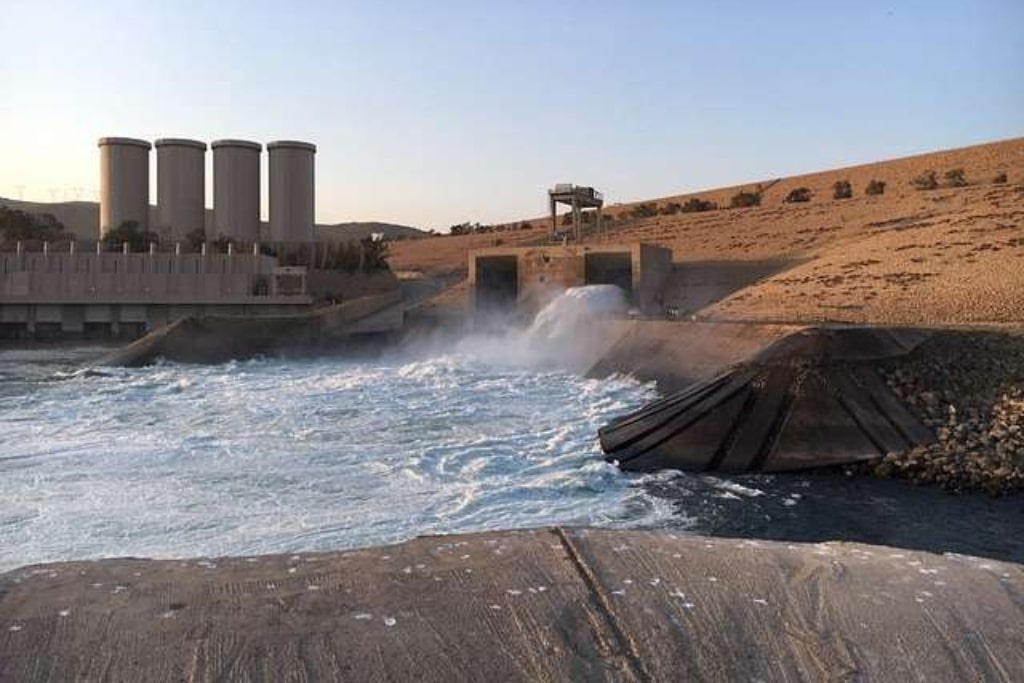
In Iraq, after capturing Mosul in 2014, ISIS strategically flooded surrounding areas by manipulating the Mosul dam, which hindered the Iraqi army’s advance and forced mass evacuations. By extending its control of other water infrastructure, such as the Falluja dam and water facilities in Baqubah, ISIS managed to flood government-held farmland near Baghdad and displace up to 40,000 inhabitants. Observers raised concerns that ISIS’s control of the Mosul Dam and other water infrastructure enabled the use of water as a tool of coercion, with significant humanitarian ramifications for civilians, including disrupted livelihoods, food insecurity and displacement.
In Sudan, according to the IHL in Focus Spot Report published by the Geneva Academy of International Humanitarian Law and Human Right, the deliberate targeting and seizure of water resources have worsened famine conditions and triggered mass displacement, underscoring clear violations of international humanitarian law.
These examples demonstrate that attacks on water infrastructure are rarely incidental. They constitute a potent form of coercion, carry long-term consequences for civilian populations, and trigger clear international legal responsibility for parties that fail to protect essential services.
Ensuring the Protection of Water as a Human Right in Armed Conflict
Ultimately, protecting water resources and infrastructure is not only a legal obligation but also a moral imperative. In regions where climate change and population growth are intensifying water scarcity, these facilities represent the difference between stability and crisis. Ensuring that water infrastructure remains off-limits in armed conflict is therefore essential for safeguarding both human security and environmental sustainability. When water becomes a weapon, the effects reverberate far beyond the battlefield, undermining the resilience of communities and ecosystems for generations.
International organizations, including the United Nations and humanitarian agencies, have increasingly emphasized the protection of water infrastructure as part of broader efforts to safeguard civilian populations during armed conflict. Still, preventing such violations requires stronger international oversight and accountability mechanisms. One proposed approach involves designating critical water facilities – including desalination plants – as protected humanitarian infrastructure, similar to hospitals and schools. In addition, the establishment of demilitarized zones around key water systems could help reduce their exposure to hostilities, while ensuring that ceasefire and peace agreements explicitly include provisions safeguarding water infrastructure and enabling repair and maintenance.
Greater protection should also extend to water utility personnel, who must be recognized as essential civilian actors whose work is indispensable for maintaining access to water. At the institutional level, improved international coordination is needed to develop early-warning and rapid response mechanisms, supported by satellite monitoring and independent verification, to detect threats and assess damage to water systems in real time. Finally, stronger accountability measures, including targeted sanctions and expanded investigative mechanisms, are necessary to deter deliberate attacks and ensure compliance with international humanitarian law.
Featured image: Ninara/Flickr.
This story is funded by readers like you
Our non-profit newsroom provides climate coverage free of charge and advertising. Your one-off or monthly donations play a crucial role in supporting our operations, expanding our reach, and maintaining our editorial independence.
About EO | Mission Statement | Impact & Reach | Write for us