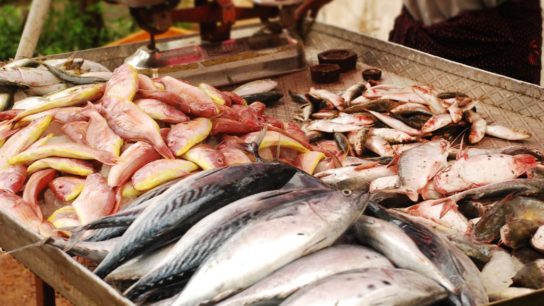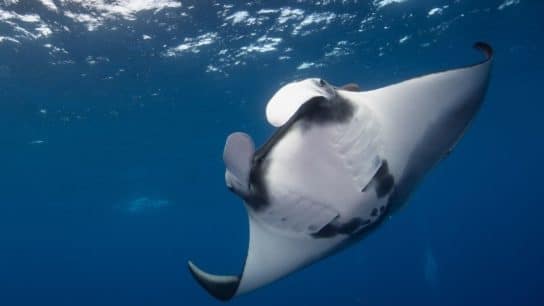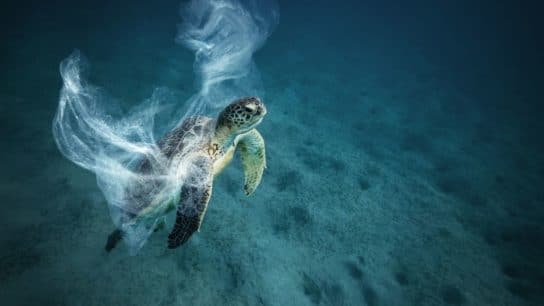


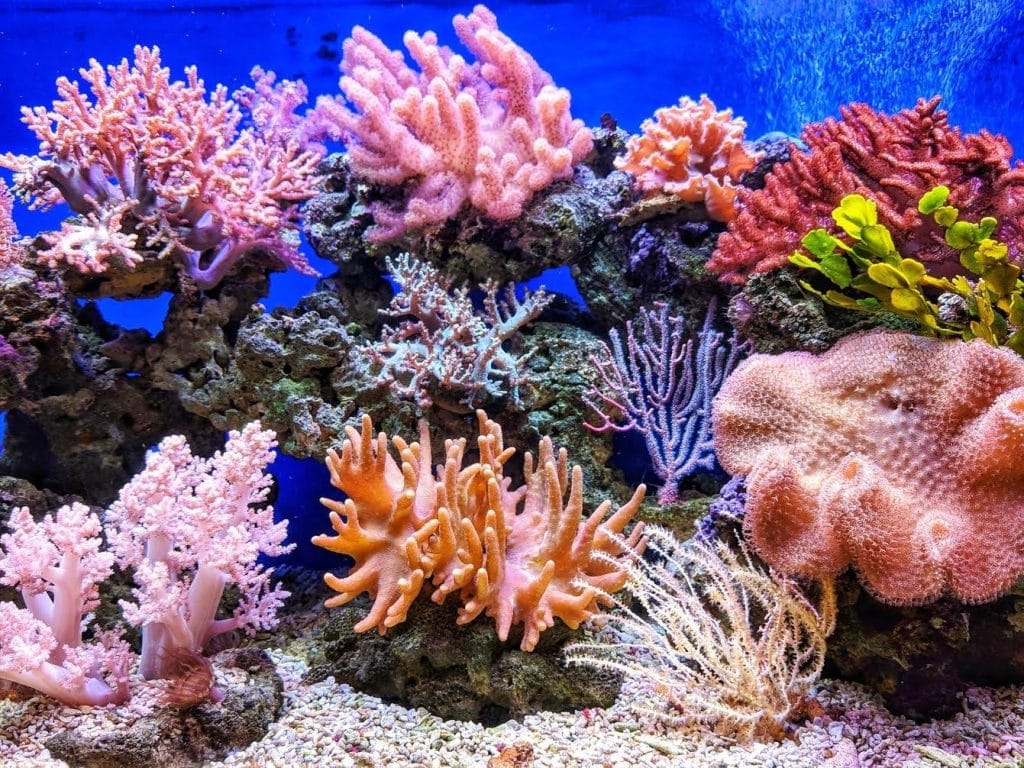
The legally binding High Seas Treaty, two decades in the making, establishes a framework to protect biodiversity in international waters, which cover roughly two-thirds of the ocean.
—
The UN High Seas Treaty, the world’s first treaty to protect and conserve marine biodiversity in international waters adopted in 2022, entered into force last Saturday.
Formally known as the Agreement under the United Nations Convention on the Law of the Sea on the Conservation and Sustainable Use of Marine Biological Diversity of Areas Beyond National Jurisdiction, or BBNJ Agreement, the treaty is centered around the creation of Marine Protected Areas (MPAs) on the high seas to preserve marine biodiversity. The text, two decades in the making, is essential to achieving a global goal to protect 30% of the world’s oceans, also known as the “30 by 30” target. Currently, only 1% of the high seas are protected, leaving marine life vulnerable.
While 142 countries and the European Union signed the treaty since it opened for signature in September 2023, a minimum of 60 ratifications were required for the agreement to come into force. The threshold was cleared last September, when Sri Lanka, St. Vincent and the Grenadines, Sierra Leone and Morocco ratified it.
Time to ‘Turn Words Into Action’
For the first time, this legally binding agreement establishes a framework to protect biodiversity in international waters, which cover roughly two-thirds of the ocean. “Protecting our planet hinges on binding protections of international waters – without them, global 30×30 targets slip beyond reach,” said Jennifer Morris, CEO of The Nature Conservancy.
However, while many environmental organizations around the world celebrated the occasion, some called for measures that will make the treaty’s promises into reality.
“A treaty on paper won’t save the ocean. What matters now is turning words into action,” Katie Matthews, Chief Scientist at Oceana, said in a statement. “If world leaders are serious about protecting 30% of the ocean by 2030, ambitious action on the high seas is necessary. This is a shared responsibility and the time to act is now.” Oceana is the largest international advocacy organization dedicated solely to ocean conservation.
Governments of signatory nations took a celebratory tone, especially members of the BBNJ High Ambition Coalition, a group of 52 parties who have committed at a high level to achieving an ambitious outcome from the treaty.
You might also like: The High Seas: Earth’s Last Wild Frontier at Risk
In a statement from the group shared with Earth.Org, Julio Cordano, Director of Environment, Climate Change and Oceans at Chile’s Ministry of Foreign Affairs, called the treaty “one of the most important victories of our time, covering both environmental conservation and sustainable use of biodiversity in the High Seas.”
Island nations also welcomed the treaty. In the same statement, Hon. Steven Victor, Minister of Agriculture, Fisheries, & the Environment. Republic of Palau, said, “The international community from the smallest nations to the largest economies has demonstrated that shared threats to our planet transcends borders and catalyzes a unified response.”
As of now, the treaty has been ratified by 80 of its 142 signatories. The United States signed the treaty in 2023 but did not ratify it, and this month withdrew from many UN climate organizations, including UN Oceans.
Fabienne McLellan, Managing Director at OceanCare, a marine protection organization, called on EU members like Germany and Austria and others like Switzerland to formally join the agreement. “Their participation will not only add political weight but also demonstrate multilateral leadership and credibility at a time when international cooperation is under increasing pressure.”
Other green groups highlighted the importance of the treaty closer to home. Kristian Teleki, CEO of environmental group Fauna & Flora, said in a statement emailed to Earth.Org that protecting the high seas “has a knock-on effect for the rest of the ocean and all those who depend on it, including coastal communities who are reliant on healthy fish stocks for their survival.”
The BBNJ addresses four main issues: marine genetic resources, including the fair and equitable sharing of benefits; measures such as area-based management tools, including marine protected areas; environmental impact assessments; and capacity-building and the transfer of marine technology. The agreement also establishes funding and sets up institutional arrangements, including a Conference of the Parties and various subsidiary bodies, a clearing-house mechanism, and a secretariat.
Brussels launched its bid to host the BBNJ secretariat a year ago, citing Belgium’s “commitment to ocean protection through its leadership in the global discussions, and in forging the Blue Leaders Alliance.”
However, a number of environmental organizations have criticized this action, in light of ongoing efforts by Belgian industry to exploit the ocean floor through seabed mining. An open letter signed by 44 NGOs, including Greenpeace Belgium and Friends of the Earth Europe, calls on Belgium to impose a “precautionary pause” on deep-sea mining.
“[The High Seas Treaty] represents a global commitment to protect marine biodiversity, to act on the best available science, and to ensure that activities in the high seas are governed by precaution, equity, and shared responsibility. Deep-sea mining stands in stark contradiction to these norms. It threatens to destroy habitats that have evolved over millennia, disrupt the carbon cycle and generate vast sediment plumes that could disrupt food webs well beyond the mined area,” the letter read.
To date, 40 countries and states have supported a ban, moratorium or precautionary pause on deep-sea mining, according to the groups.
Featured image: QUI NGUYEN/Unsplash.
This story is funded by readers like you
Our non-profit newsroom provides climate coverage free of charge and advertising. Your one-off or monthly donations play a crucial role in supporting our operations, expanding our reach, and maintaining our editorial independence.
About EO | Mission Statement | Impact & Reach | Write for us