

In a major move to tackle the significant plastic pollution problem in the country, India has announced a ban on all manufacture, sale and use of single use plastics from July 2022.
—
What is Happening?
- The government of India announced this month that they will be banning the manufacture, sale, distribution and use of single use plastics from July 1 2022 onwards. The ban will be rolled out in three phases based on the utility and environmental impact of the plastic.
- The Plastic Waste Management Amendment Rules 2021 covers a large spectrum of plastic items including polystyrene, plastic straws and utensils, and single use plastic bags.
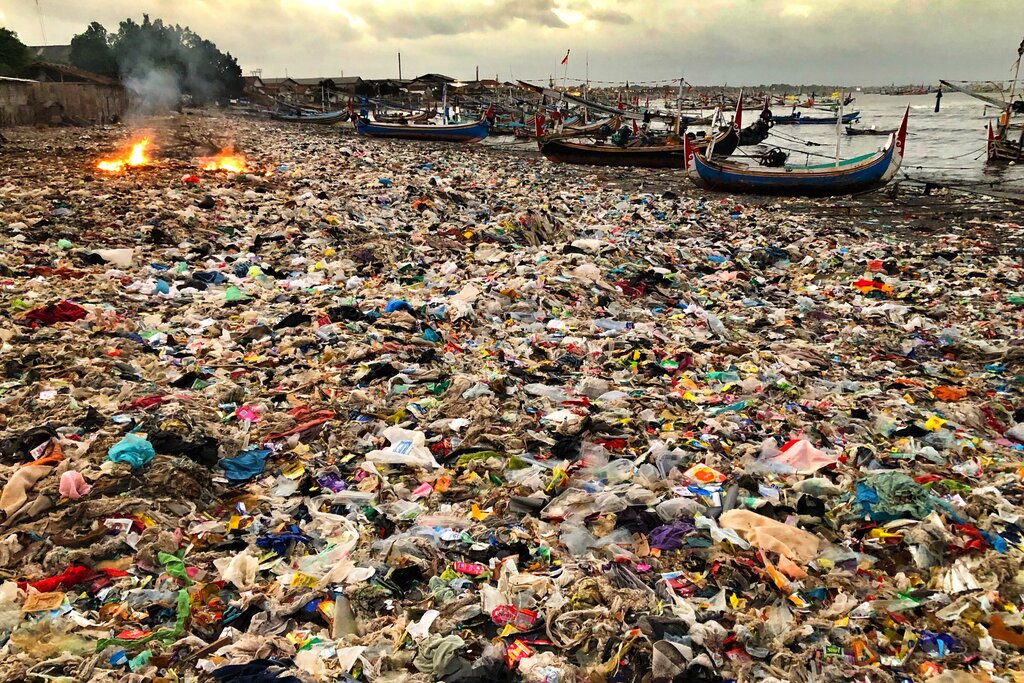
- The plastic crisis in India is one of the worst on the planet. According to the Central Pollution Control Board (CPCB), India currently produces more than 25,000 tonnes of plastic waste every day on average and accounts for 5-6% of the total solid waste generated in the country.
- Goa generates the highest rate of plastic waste per capita at 60 grams per capita per day, nearly doubling of what Delhi generates.
- Aside from polystyrene and expanded polystyrene, the first category of single use plastics to be phased out from July 1 are smaller products such as earbuds and plastic sticks used in ice cream, sweets and balloons, while packing films, cigarette packets and PVC banners that are less than 100 microns in thickness will be prohibited in the next phase.
- The Amendment Rules will also require the thickness of plastic carry bags to be increased from 50 microns to 75 microns from September 30 and to 120 microns from December 31.
- The Environment Ministry has once again pushed for Extended Producer Responsibility (EPR), a proposed policy that shifts the responsibility of collecting and managing plastic waste after the consumer has used it back to the producer and manufacturer, and said that any plastics not covered under the new amendment should be handled responsibly through the EPR.
- The Indian plastic ban has been in the works since 2019 when Prime Minister of India Narendra Modi announced his plan to eliminate all single use plastics by 2022. This was reiterated again when Modi moved a resolution on addressing single use plastic products pollution at the fourth United Nations Environment Assembly held in 2019.
- Despite the landmark move to alleviate one of their biggest environmental problems, India remains to be behind when it comes to climate action and reducing carbon emissions – India is currently the third largest emitter in the world. The country has recently missed the UN deadline to submit an updated climate pledge and has demonstrated hesitancy in phasing out fossil fuels and suspending coal power generation.