


A severe algal bloom has been suffocating South Australia’s waters since mid-March, killing some 450 marine species. The government has issued AU$28 million (about US$18 million) to cover the disaster.
—
South Australia has signed off on an AU$28 million (about US$18 million) harmful algal bloom support package on Wednesday in response to a months-long algal bloom that has killed some 450 marine species.
The toxic bloom, caused by overgrowth of the Karenia mikimotoi, a harmful red tide algal species, is affecting South Australia’s coastline, including metropolitan beaches and estuarine sites including Port River, West Lakes, Fleurieu Peninsula, Kangaroo Island, Yorke Peninsula, Eyre Peninsula and the Coorong. It extended to 4,500 square kilometers – almost double the size of the Australian Capital Territory – and reached a depth of 20 metres.
The last time this type of algae was recorded in the area was in 2014 at Coffin Bay, though it dissipated within a week.
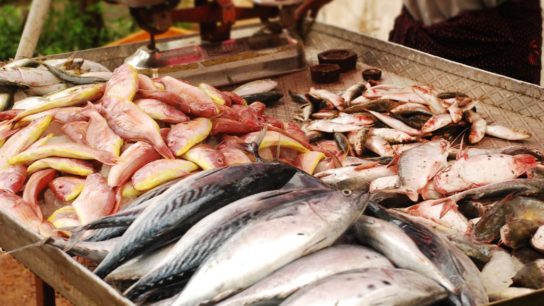
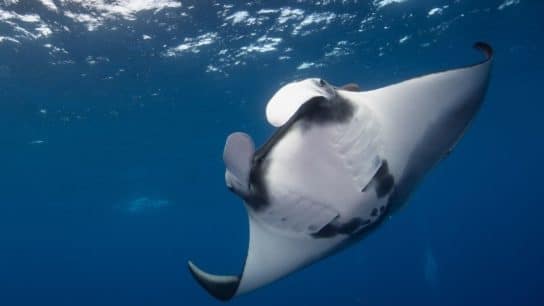
The months-long algal bloom has caused discoloured water and foam along parts of the state’s coasts. About 450 marine species, including fish, sharks, rays, and a wide range of invertebrates, have been observed washed ashore, according to records by citizen scientists.
“Karenia mikimotoi doesn’t actually produce a toxin but it does produce what’s called reactive oxygen species so this can damage the gills of fish and it can affect skin cells,” said Shauna Murray, a Marine Biologist at the University of Sydney.
It was first discovered on Waitpinga Beach in March by local surfer Anthony Rowland, who said the beach was covered in “a really heavy, dense, yellow foam, with a fair bit of green, slimy, scummy stuff.” Footage released by the state government has captured sponges, cold-water corals and other filter-feeding organisms that were starting to show white patches.

Susan Close, Minister for Climate, Environment and Water, identified three main factors that allowed the algae to bloom.
Close said the 2023 River Murray flood washed up extra nutrients into the sea, providing a food source for the algae. Thanks to the series of high pressure systems, the water was also relatively still, preventing the algae from reaching the shore. The more recent marine heatwave, which started in September 2024 off the state’s coast, bringing temperatures about 2.5C higher than usual, also played a role, Close said.
“All three of the conditions that lead to this have been exacerbated by climate change. We can’t hide our head in the sand and pretend that this is somehow a phenomenon that might have somehow happened without climate change.”
The State’s Emergency Management Committee of Cabinet on Wednesday signed off on an AU$28 million (about US$18 million) harmful algal bloom support package. AU$14 million will be used to develop a coastal monitoring network using sensors, satellites, and modeling, which will enhance early detection of harmful algae blooms, accelerate fish population assessments, and create a dedicated response plan for future events.
Meanwhile, AU$1 million (about US$67,000) will be allocated to local government beach cleaning funds to help clear dead fish and marine life, while AU$10,000 will support small businesses affected by the bloom. These measures are in addition to AU$1,500 in grants for affected commercial fishers and aquaculture license holders, which the government announced on July 8.

“This harmful algal bloom is just one of the major consequences of the marine heatwave ringing Australia, which has also caused extensive coral bleaching on both east and west coasts with high rates of coral mortality,” said Gretta Pecl, a Biodiversity Council member from the University of Tasmania’s Institute for Marine and Antarctic Studies.
From January 2023 to May 2025, bleaching-level heat stress has impacted nearly 84% of the world’s coral reef area and mass coral bleaching has been documented in at least 83 countries and territories, according to the US National Oceanic and Atmospheric Administration. It is the fourth mass coral bleaching event ever recorded and the second to occur in the last 10 years. Australia’s iconic Great Barrier Reef, the world’s largest reef, is among the most affected areas globally.
Close said that the bloom was unlikely to disappear any time soon and could return in the future, with the state “helpless in the force of nature.”
“The algal bloom is a dynamic situation. Its movement depends on weather and water conditions, and [that] makes the effect on people and wildlife unpredictable.”
Featured image: slworking2/Flickr.
This story is funded by readers like you
Our non-profit newsroom provides climate coverage free of charge and advertising. Your one-off or monthly donations play a crucial role in supporting our operations, expanding our reach, and maintaining our editorial independence.
About EO | Mission Statement | Impact & Reach | Write for us