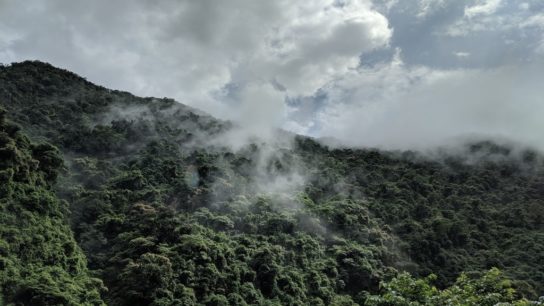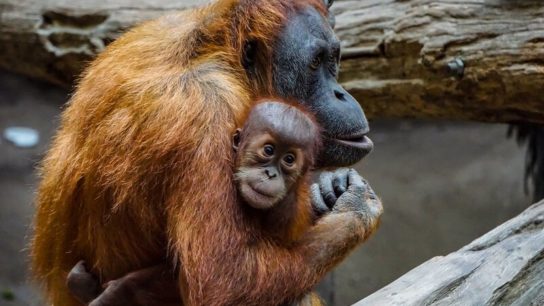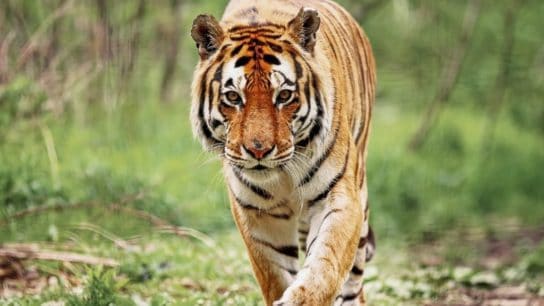


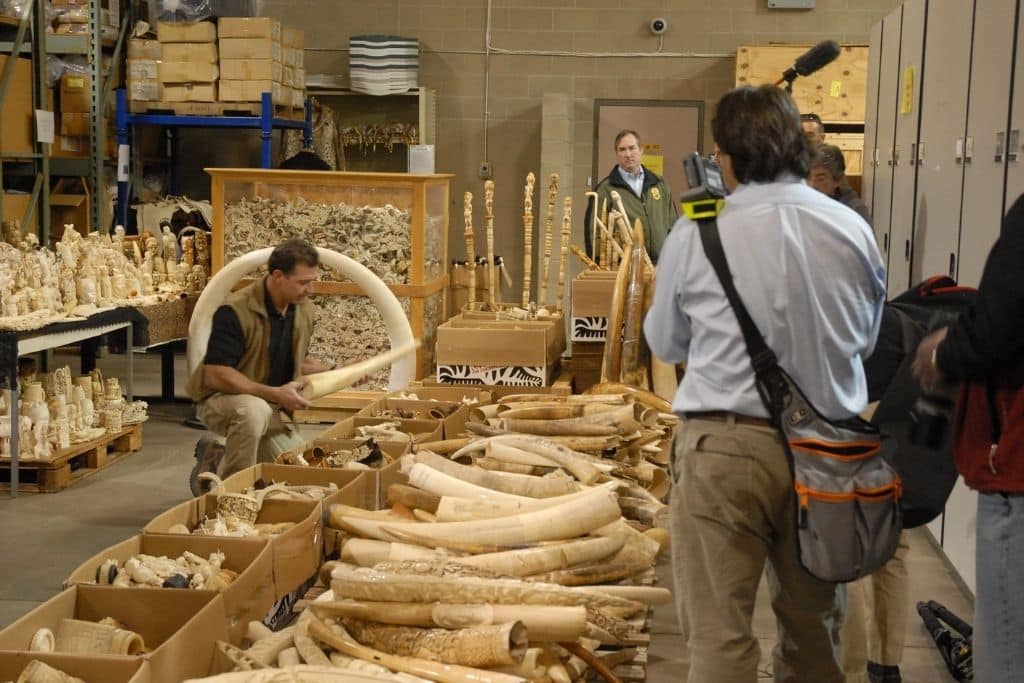
From ivory carvings to exotic plants and animal parts, wildlife is being turned into commodities at an alarming rate. What often goes unseen is how this illegal trade fuels extinction, crime networks, and long-term harm to ecosystems worldwide.
—
Illegal wildlife trade is a growing global crisis and the largest direct threat to the future of many of the world’s most threatened species. Recent UN data (2015-2021) shows around 4,000 species impacted, including 3,250 listed under CITES (Convention on International Trade in Endangered Species of Wild Fauna and Flora). With an estimated annual value of up to $20 billion, it is the fourth most lucrative criminal enterprise in the world. Besides being unsustainable and devastating, it strips ecosystems of key species, disrupts ecological balance, and pushes many animals and plants closer to extinction.
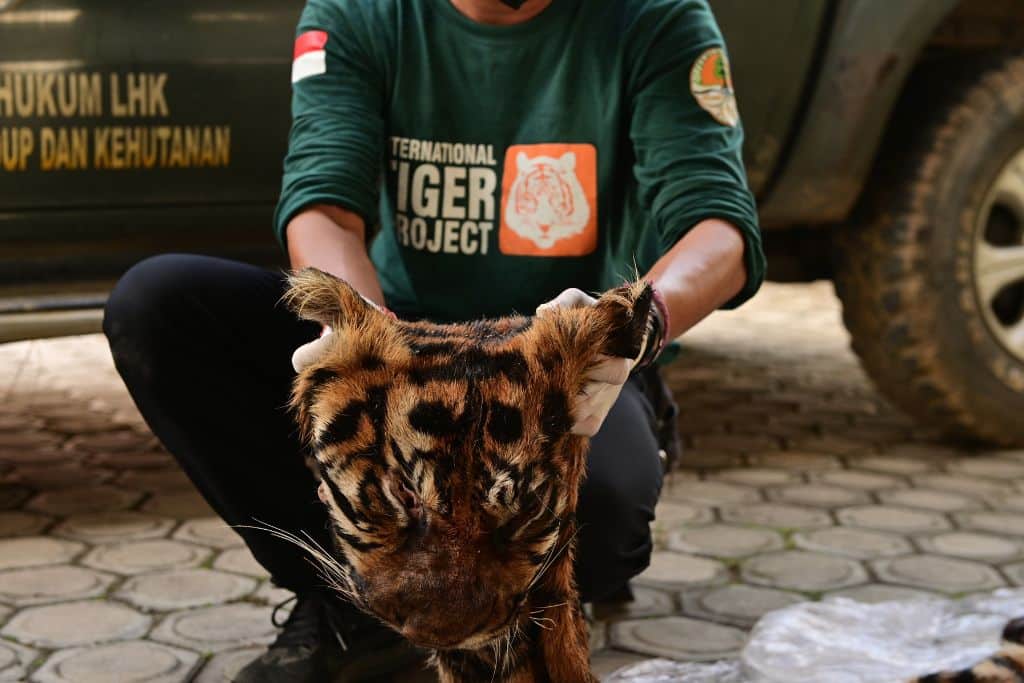
Wildlife trafficking encompasses a wide array of activities, from capture, import, and export to consumption of wild flora and fauna, along with items derived from these organisms. It targets a wide range of species, from iconic animals like elephants and tigers to marine life, reptiles, and rare tree species. This reflects yet again how human actions have fallen short in protecting these exceptional species, pushing many toward extinction for material gain.
How and Where
Different factors drive criminality associated with wildlife trafficking at different stages of the trade chain, including illegal sourcing, cross-border trade, and demand in end markets. The trade involves various actors, from poachers at the source to traffickers who move products across borders and consumers who drive demand for rare and endangered species. For most participants, financial gain remains the primary motivation.
In many regions, wildlife trafficking is closely linked to organized crime. These groups often use the same covert routes and networks employed for trafficking drugs and weapons. For example, in Mexico, drug cartels have become involved in the illegal fishing and trade of totoaba swim bladders, which are highly valued for medicinal and culinary use in parts of Asia. What began as territorial control over coastal communities engaged in totoaba fishing later developed into a profitable supplementary criminal enterprise. Similar links between organized crime and wildlife trafficking have also been documented in the illegal abalone trade in South Africa.
These networks continue to profit largely due to their ability to integrate wildlife trafficking into existing criminal operations. Sources also confirm that professional, remote gangs have been active in elephant and tiger poaching. The convergence of wildlife trafficking with other illicit businesses is often supported by power relationships with local communities, corruption, access to illegal firearms, and opportunities for money laundering.
Beyond criminal networks themselves, weak legislation and limited enforcement capacity further enable the trade. Traffickers frequently exploit inconsistencies between national laws.
For instance, timber harvested illegally may be laundered into legal supply chains, manufactured into furniture, and sold in another country where there is no legal basis for intervention, even if a crime occurred at the source. Several case studies in recent reports show that, despite political will, agencies responsible for regulating wildlife trade often lack the resources and capacity needed to enforce laws effectively.

Case Studies
Live orchids: Europe’s hidden role in wildlife trade
Despite being among the most threatened plant groups in the world, orchids are often overlooked in discussions around wildlife crime. With over 29,000 species globally, many of them rare or endemic to small regions, wild orchids have become highly sought-after collectibles. While the legal trade is dominated by artificially made hybrids, thousands of wild orchids are still illegally harvested to meet demand from specialist collectors willing to pay thousands of dollars for rare or newly discovered species.
Europe has emerged as a key destination market, with many illegally sourced orchids entering through postal shipments or personal luggage. Traffickers frequently launder wild plants through legitimate nurseries, allowing them to be sold as legally propagated specimens.
Social media and online marketplaces have further intensified this trade, enabling rapid sales and making enforcement difficult. In some cases, newly discovered orchid species have been almost entirely wiped out within months of being publicized, highlighting how demand can push even obscure plants to the brink of extinction.
Pangolin scales: The world’s most trafficked mammal
Pangolins are among the most heavily trafficked mammals in the world, with demand for their scales driving widespread illegal trade across Africa and Asia. Used primarily in traditional medicine, pangolin scales have placed all eight species under severe pressure, leading to their listing under CITES Appendix I in 2016, which bans international commercial trade of pangolins and their parts.

Despite these protections, trafficking has continued to grow. Today, pangolin scales are the dominant product in the illegal market. Individual seizures have exceeded 10 tonnes, and with each pangolin yielding only 0.5-3.5 kilogram of scales, such shipments represent the killing of thousands of animals. Because pangolins are solitary and must be captured individually, the trade relies on extensive local hunting networks linked to organised criminal groups.
Seizure data shows a sharp rise in pangolin scale trafficking after 2015, peaking in 2019, when record shipments were intercepted in Singapore. Nigeria has emerged as a major transit hub, connected to over 190 tonnes of seized scales between 2010 and 2021, representing an estimated hundreds of thousands of pangolins sourced largely from Central and West Africa. Key destination markets include mainland China, Hong Kong, and Vietnam.
Although some countries have taken steps to reduce demand, including removing pangolin scales from official medical lists, legal stockpiles and weak oversight continue to create opportunities for laundering illegally sourced products. As long as demand persists, pangolin trafficking remains one of the most severe threats to the species’ survival.
You might also like: Ending the Illegal Pangolin Trade: A Case Study
Dried seahorses: The overlooked marine trade
Seahorses are widely trafficked in dried form, primarily for use in traditional medicine. Although all seahorse species were listed under CITES Appendix II in 2004, illegal trade continues due to persistent demand and weak enforcement.
Unlike many trafficked species, seahorses are rarely targeted deliberately. Most enter illegal markets as by-catch, especially through bottom trawling, a fishing method associated with high levels of unintended catch. While legal international trade has declined sharply following export bans by major supplier countries, demand has not disappeared.
Between 2015 and 2021, more than 10 tonnes of dried seahorses were seized globally, indicating ongoing illegal trade. Peru has emerged as a key source country, with seizures revealing organised smuggling routes to China and Vietnam, often concealed within shipments of animal hides or fish products.
This case highlights how opportunistic harvesting, combined with limited enforcement capacity and continued demand in end markets, allows wildlife trafficking to persist even where international protections exist.
Learning from Success Stories
Nepal has emerged as a global model for wildlife conservation, achieving multiple years of zero rhino poaching since 2011 and becoming the first country to record zero poaching of rhinos, tigers and elephants in 2014. This success has been driven by strong government commitment, strict enforcement, community involvement, and coordinated anti-poaching strategies such as WWF’s Zero Poaching Toolkit. Nepal’s approach has been internationally recognized by the UN Office on Drugs and Crime and is now shared as best practice across Asia.
Similarly, China’s 2017 ivory trade ban demonstrates the impact of demand-side interventions. Following the ban, consumer intent to purchase ivory fell from 43% before 2017 to under 20% by 2020. While a small group of committed buyers remains, particularly among frequent overseas travelers, public awareness campaigns combined with strict enforcement have significantly reduced demand, highlighting the importance of consumer-focused policies in tackling illegal wildlife trade.
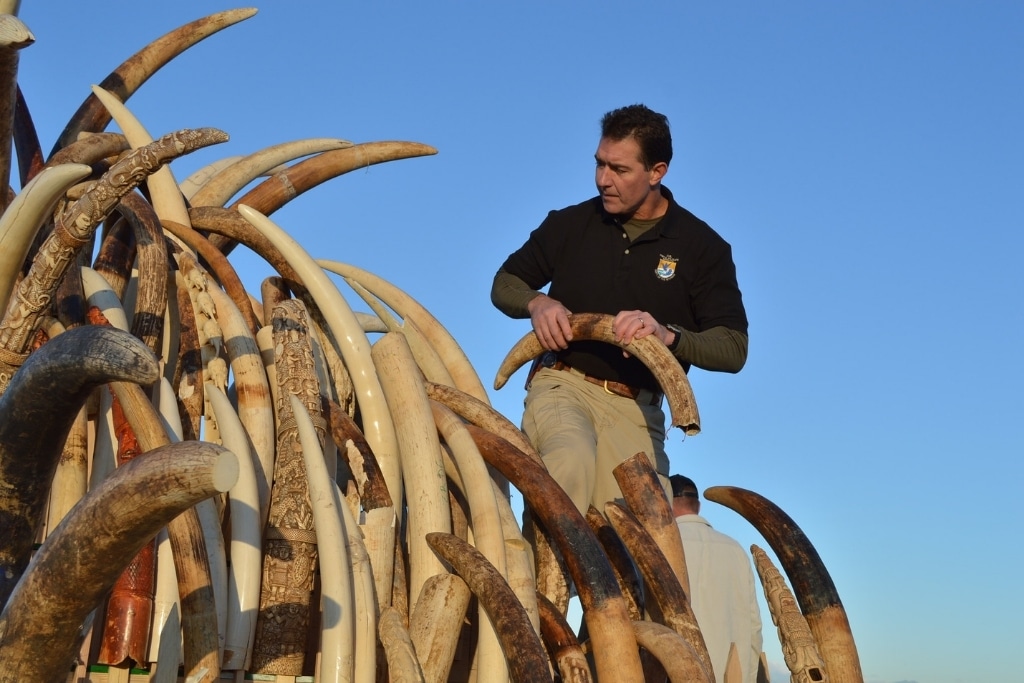
Enforcement-based approaches, including anti-poaching patrols and intelligence-led policing, play a key role in preventing wildlife trafficking by improving surveillance and rapid response in protected areas. These approaches are most effective when law enforcement agencies collaborate with local communities to share information and detect illegal activities. However, experiences also show that overly militarized enforcement can damage relationships with Indigenous and local communities.
At the same time, experience from wildlife crime enforcement also shows that not all strategies work as intended. Focusing too heavily on arrests, seizures, and stricter enforcement without properly evaluating their impact can create new problems instead of solving them. In some cases, crime simply shifts to new locations or targets. In others, harsh enforcement leads to community resentment and high social and economic costs, especially when low-level offenders are punished rather than the networks behind them.
These challenges demonstrate that enforcement alone is not enough. To be effective, wildlife crime prevention needs well-planned, evidence-based strategies that are regularly monitored and adjusted, so efforts focus on what actually reduces harm rather than just appearing tough on crime.
Illegal wildlife trade is one of the most harmful and sorrowful crimes against nature, yet it has become disturbingly common. The loss of species is not just an environmental issue but a threat to the balance that sustains life on this planet.
While governments, organizations and enforcement agencies continue to work towards reducing wildlife crime, real change depends on people understanding the value of nature and recognizing how deeply these crimes affect ecosystems, communities and future generations. The world will only protect us if we protect it in return. Valuing the beauty of our surroundings and the life they support is essential, because once a species is lost, it can never be brought back.
Featured image: Gavin Shire/USFWS.
You might also like: AI in the Wild: Applications to Combat the Illegal Wildlife Trade
This story is funded by readers like you
Our non-profit newsroom provides climate coverage free of charge and advertising. Your one-off or monthly donations play a crucial role in supporting our operations, expanding our reach, and maintaining our editorial independence.
About EO | Mission Statement | Impact & Reach | Write for us