

The UN Pact For Future offers a blueprint to tackle 21st-century challenges – from conflicts and environmental threats to financing development. It also includes two annexes towards a responsible and sustainable digital future and the protection of future generations.
—
The United Nations General Assembly on Sunday adopted a blueprint to bring the world’s increasingly divided nations together to tackle the challenges of the 21st century.
The 42-page “Pact for the Future” covers a broad range of themes, including peace and security, sustainable development, climate change, digital cooperation, human rights, gender, youth and future generations, and the transformation of global governance. It also includes two annexes: a Global Digital Compact and a Declaration on Future Generations.
“We are here to bring multilateralism back from the brink,” said UN Secretary-General António Guterres as he thanked world leaders and diplomats for unlocking “the door” to a better future. “Now it is our common destiny to walk through it. That demands not just agreement, but action.”
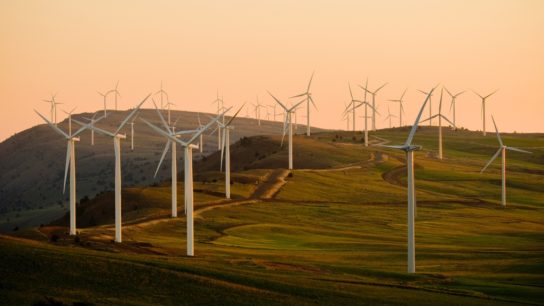
Among the 56 actions and commitments that countries pledged to achieve are some addressing the climate crisis, such as accelerating efforts to meet obligations under the United Nations Framework Convention on Climate Change (UNFCCC) and the Paris Agreement. The signatories also reaffirmed the COP28 deal – which calls on nations to “transition away from fossil fuels in energy systems, in a just, orderly and equitable manner to achieve net-zero by 2050” and to triple renewable energy capacity by 2030 – and their commitment to the conservation targets set in the Kunming-Montreal Global Biodiversity Framework.
The pact also addresses climate finance, with countries “recognizing” the importance of adaptation finance and committing to “further operationalize and capitalize” new funding arrangements for the Loss and Damage Fund, which was formally adopted at COP27 in 2022. Contributions to the fund at last year’s UN climate summit in Dubai reached just over $700 million, less than 0.2% of the economic and non-economic losses developing countries face every year from global warming.
More on the topic: Explainer: What Is ‘Loss and Damage’ Compensation?
COP29 host Azerbaijan last week announced its plans to launch two climate finance initiatives during the summit, which will take place in the capital Baku in November. However, there is little indication that countries will be able to agree on a new global climate fundraising goal, which a recent UN report says needs to reach at least $500 billion per year.
The “game-changing” pact – as Guterres described it – was adopted despite a last-minute, isolated sabotage attempt on the grounds that it represented western interests. Russia’s deputy minister of foreign affairs, Sergey Vershinin, introduced an amendment emphasizing the “principle of non-interference in the internal affairs of states,” a move backed by Belarus, North Korea, Iran, Nicaragua, Sudan and Syria. The amendment was overwhelmingly dismissed and the pact was subsequently adopted was adopted by 143 votes in favour to 7 against and 15 abstentions.
“Petrostates tried to derail the Pact for the Future but… transitioning away from fossil fuel & tripling renewables still stands,” said Andreas Sieber, Associate Director of Policy & Campaigns at 350.org. “As countries prepare to unveil their emissions targets, leaders have one job to do: deliver 1.5-aligned climate goals.”
But according to 350.org, “the real will be the delivery” of the commitments. Indeed, the pact and its annexes are non-binding, raising concerns about their implementation.
Featured image: Xabi Oregi/Pexels.
This story is funded by readers like you
Our non-profit newsroom provides climate coverage free of charge and advertising. Your one-off or monthly donations play a crucial role in supporting our operations, expanding our reach, and maintaining our editorial independence.
About EO | Mission Statement | Impact & Reach | Write for us