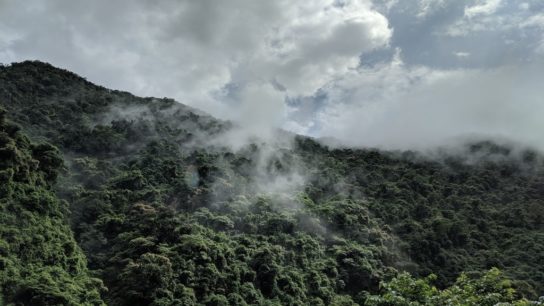


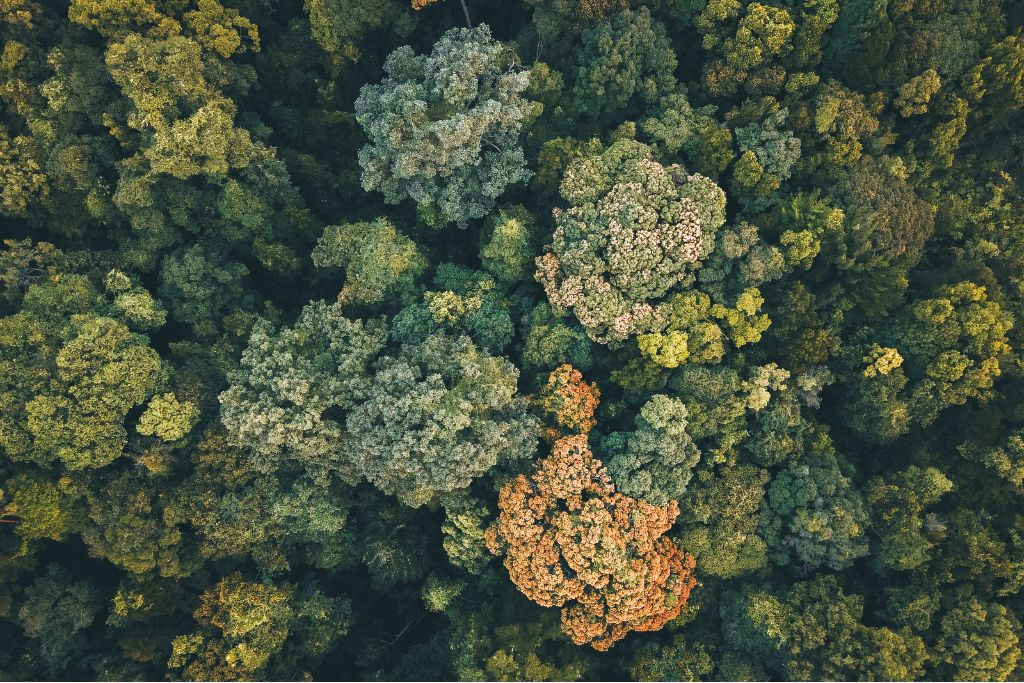
Nature-based solutions like forest restoration are powerful, cost-effective strategies to combat climate change. These vital ecosystems sequester carbon and provide long-term benefits for biodiversity and local communities, making them essential for achieving global climate goals.
—
Forests cover one-third of the Earth’s land mass, serving as vital pillars for both environmental health and human well-being. Forest ecosystems are rich in biodiversity, and provide a habitat for 80% of all terrestrial species. According to a 2023 report by the UN Environment Programme (UNEP), approximately 1.6 billion people depend directly on forests for food, water, wood, and employment, with an estimated economic value of US$150 trillion. Additionally, roughly 90% of people living in extreme poverty depend on forest resources for their survival.
Aside from their economic value, forests play a pivotal role in mitigating climate change through a process called carbon sequestration. Through photosynthesis, trees absorb carbon dioxide (CO2) and store it in trunks, roots, and soil. A 2022 report by the World Wildlife Fund estimates that between 2001 and 2019, forests absorbed 18% of all human-caused emissions per year. The Food and Agriculture Organization of the United Nations gave an even more significant estimate in their 2020 Global Forests Resources Assessment, indicating that the world’s forests store an estimated 662 gigatonnes of carbon in their living biomass. This represents approximately 44% of the total carbon held in the global forest ecosystem.
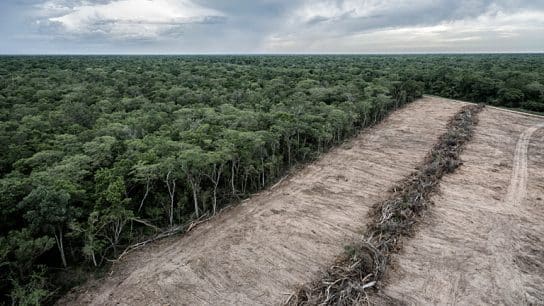
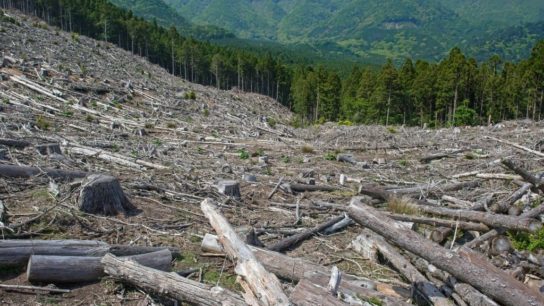
Yet, rapid deforestation and land degradation continue to release a significant amount of carbon back into the atmosphere, undermining this critical natural balance. UNEP estimates that deforestation stands as a substantial contributor to nearly 15% of global carbon emissions.
Consequently, if we do not halt deforestation and reverse biodiversity loss, the Paris Agreement target of limiting global warming rise to or below 1.5C will become unattainable.

When degraded forests are restored, they not only resume absorbing carbon but also begin replenishing soils, improving water cycles, and providing habitats for wildlife. Unlike engineered carbon capture technologies, which are costly and rather ineffective on the global level, forests are a tried-and-tested system that humanity and species have relied on for millenia.
Economic and Health Concerns
The health of forests is not only an environmental concern but also carries significant economic and health implications.
As forests degrade, industries that directly rely on them – paper, timber agriculture and pharmaceuticals, among others – face resource shortages that can reduce profitability. UNEP’s Finance Initiative (UNEP-FI) has proven that financial institutions are also indirectly affected, with risks arising from non-performing loans, stranded assets, and potential defaults linked to companies dependent on resources provided by forests.
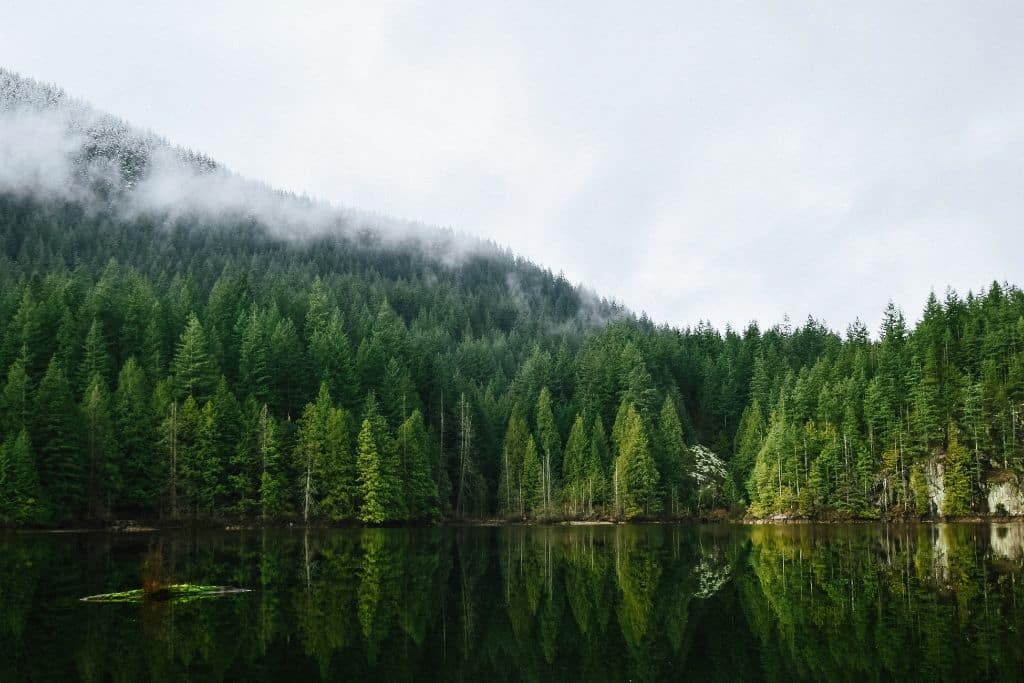
Forests also regulate rainfall. Losing them can increase the likelihood of disasters, such as floods and landslides, and pollute the water for millions of people. They also provide medical plants that support local livelihoods and act as buffers against zoonotic diseases.
Global Forest Restoration Projects
Several large-scale efforts to restore forests and ecosystems are already underway. The UN Decade on Ecosystem Restoration has listed several forest restoration projects across the world, and how they benefit local communities and biodiversity.
In South America, the Trinational Atlantic Forest Pact includes the efforts of organizations to protect and restore the Atlantic Forest, which covers Brazil, Argentina and Paraguay. More than 700,000 hectares have already been restored, creating wildlife corridors for endangered species, providing water security for people and building resilience to climate change.
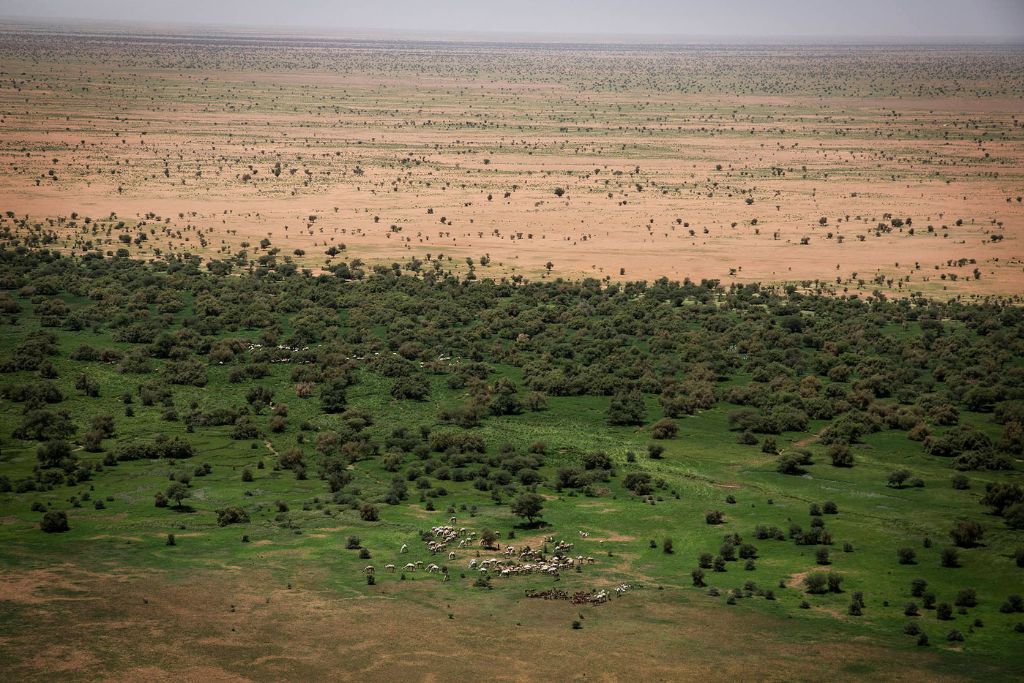
In Africa, the Great Green Wall project aims to restore 100 million hectares across 20 countries, creating green jobs and mitigating climate change. Since its launch in 2007, about 30 million hectares have been restored. However, during the 2022 UN Summit on Desertification in the Ivory Coast, President Alain Richard Donwahi warned that the 2030 target may not be reached due to funding gaps and humanitarian crises.
More on the topic: The Great Green Wall: A Wall of Hope or a Mirage?
In India, the Namani Gange initiative is rejuvenating the Ganges River basin, with 30,000 hectares restored and a target of reducing 7 million tons of greenhouse gas emissions by 2030. Small island states such as Vanuatu, St. Lucia, and Comoros are restoring coastal and ridge-to-reef ecosystems, with over 4,000 hectares already restored and 1,800 green jobs expected by 2030. In Kazakhstan, the Altyn Dala Conservation Initiative has revived steppe habitats and the Saiga antelope population. The project has protected 5 million hectares and has restored saiga antelope numbers from a low of 20,000 to over 2.8 million.
Elsewhere, Central America’s agroforestry systems across the Dry Corridor are boosting soil fertility and biodiversity, while Indonesia’s Building With Nature program is allowing mangroves to regenerate naturally. Finally, China’s Shan-Shui Initiative integrates large-scale restoration across mountains, rivers, and urban areas, covering millions of hectares.

Indigenous Peoples and Local Communities: Guardians of Forests
Indigenous Peoples and Local Communities (IPLCs) are recognized as vital stewards of forests, bringing generations of knowledge that combine culture, governance, and conservation. Over time, these communities have repeatedly produced conservation results that exceed government-managed protected areas. For example, a 2000-2012 study of the Amazon found that annual deforestation rates on Indigenous lands were two to three times lower than outside these areas.
Indigenous stewardship of forests has become increasingly critical amid accelerating forest loss. The World Bank estimates that about 36% of remaining intact forests are on Indigenous lands. What’s worse, IPLCs have often struggled to be heard. For example, in Canada, First Nations and Métis communities such as the Meadow Lake Tribal Council co-manage millions of hectares of forests, combining centuries of knowledge with modern forestry practices to support biodiversity and economic development. Similarly, in Nepal, the Terai Arc Landscape Initiative, has engaged tens of thousands of local community members to restore 66,800 hectares of forest, creating wildlife corridors, and reviving tiger populations, while improving the livelihoods of nearly 500,000 households.
These examples highlight how IPLCs are not only guardians of forests but also catalysts of sustainable development. They show that when local knowledge and collaborative governance are respected, forests and the people that depend on them thrive together.
The adoption of Article 8(J) during the 2024 UN Biodiversity Conference in Cali, Colombia is an inspiring path forward, as it secures the protection of Indigenous Peoples and recognizing them as stewards of biodiversity, reminding us that the future of forests lies in the hands of those who care for them most.
More on the topic: The Silent Cry of the Forest: How Deforestation Impacts Indigenous Communities
The Path Forward
Forest restoration is not just an environmental ambition; it is a pathway to sustainable development and well-being. By investing in forests and empowering IPCLs as key partners, we can restore the balance between people and nature and mitigate climate change. Global projects, from the Atlantic Forest to the Terai Arc Landscape Initiative, illustrate that with commitment and collaboration, ecosystems and societies can thrive together.
Ultimately, nature-based solutions offer a tested and inclusive approach to confronting the climate crisis while safeguarding the planet for generations to come and contributing to economic growth. Even if further investment from both the public and private sectors and trust to local communities is needed, there is still reason for hope.
This story is funded by readers like you
Our non-profit newsroom provides climate coverage free of charge and advertising. Your one-off or monthly donations play a crucial role in supporting our operations, expanding our reach, and maintaining our editorial independence.
About EO | Mission Statement | Impact & Reach | Write for us