

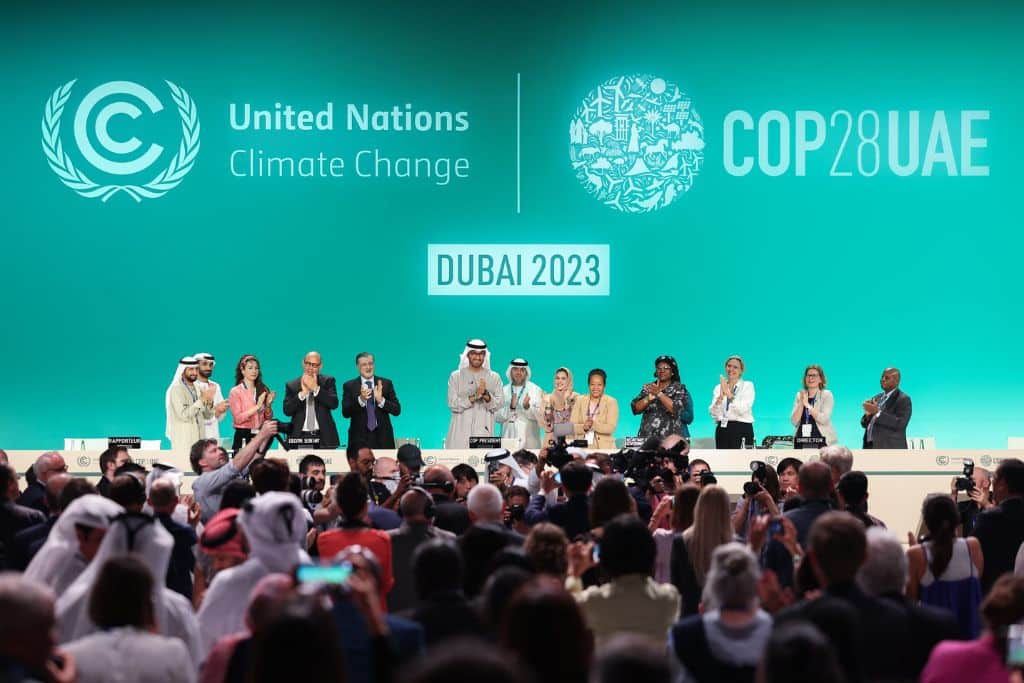
The UN Conference of the Parties, or COP, was established under the United Nations Framework Convention on Climate Change (UNFCCC). It brings together nearly all nations to address the pressing challenges posed by climate change. At COP meetings, which take place annually, countries work on strategies and agreements on climate change adaptation and mitigation, climate finance, justice, global health and sustainable development.
—
Additional reporting by Martina Igini
Every year, nations that are part of the United Nations Framework Convention on Climate Change (UNFCCC) gather for the Conference of the Parties, better known as COP.
The summit serves to evaluate their progress on climate through a formal, continuous cycle of national reporting, international review, and a five-yearly Global Stocktake (GST). Countries also negotiate collective strategies to combat climate change and foster international cooperation on climate issues. 198 Parties are currently part of the Convention – 197 states and the European Union.
The UNFCCC is a multilateral treaty established in 1992, following the release in 1990 of the first Scientific Assessment report by the Intergovernmental Panel on Climate Change (IPCC) – the world’s most authoritative scientific body on climate change. The report provided a comprehensive evaluation of the scientific understanding of climate change at that time. Since then, the IPCC has completed six comprehensive Assessment Reports.
More on the topic: Explainer: What Is the IPCC?
The UNFCCC’s primary goal is to stabilize atmospheric greenhouse gas concentrations – the single-largest driver of climate change – at a level that prevents harmful, human-induced interference with the climate system.
Since entering into force in 1994, the UNFCCC and its annual gatherings have built the foundation for international climate negotiations, resulting in significant agreements such as the 1997 Kyoto Protocol and the 2015 Paris Agreement.
More on COP30 from Earth.Org (click to view)
News
- Did COP30 Succeed or Fail?
- COP30 Week 2: Recap
- COP30 Week 1: Recap
- Reactions Pour in After Weak COP30 Agreement
- No Mention of Planet-Warming Fossil Fuels in COP30 Agreement
- Misinformation Becomes a Political Weapon Over Fire at COP30
- Business Coalition at COP30 Urges Transition Away From Fossil Fuels
- 83 Countries Join Call to End Fossil Fuels at COP30
- ‘People’s COP’ Marked By Civil Society Protests and Direct Action Events
- American States, Institutions Scramble to Fill Gap Left by US Absence at COP30
- Disability Activists Seek Official Recognition at COP30
- Brazilian Government Announces Ordinances to Recognize 10 Indigenous Lands
- Six Countries Pledge $58.5 Million to Adaptation Fund As UN Warns of $310 Billion Deficit
- Pope Leo Upholds Environmental Legacy of ‘Green’ Pope Francis, Urging Concrete Action on Climate at COP30
- Brazil to Demarcate Indigenous Territories Following Munduruku Protest at COP30
- COP30 Launches Global Declaration to Combat Climate Misinformation, Fake News
- Brazilian Government Seeks to Advance Discussion on Ending Fossil Fuels at COP30
- COP30: Fossil Fuel Lobbyists Outnumber Every Country Delegation Except Brazil
- COP30: Brazilian Government Puts Owners of the World’s Largest Beef Producer on ‘VIP List’
- Despite Record Turnout, Only 14% of Indigenous Brazilians Are Expected to Access Decision-Making Spaces at COP30
- Countries’ Climate Pledges Put World on Track for 12% Reduction in Emissions, UN Says
- Current National Climate Pledges Fall Far Short of What Is Needed to Limit Warming to 1.5C, Report Shows
Explainers
- COP30 Glossary: What You Need to Know About This Year’s UN Climate Summit in Brazil
- COP30 Volunteers Make World’s Biggest Climate Event Possible
- Navigating COP: A Deep Dive into the UN Climate Conference Process
- Oceans at COP30: Moving Beyond Pledges to Build an Architecture for Change
- Climate Adaptation at COP30: What to Expect
- Climate Finance at COP30: What to Expect
- Explainer: Why Gender Will Be High on the Agenda at COP30
- COP30 Volunteers Make World’s Biggest Climate Event Possible
- COP30 Youth ‘Go Bananas’ for Nuclear
Opinion
- Why COP30’s Success Depends on Comprehensive Food System Action
- Why COP30 Needs Indigenous Voices
- At COP30, Wealthy Nations Must Close the Adaptation Gap – My Home of Bangladesh Depends on It
Pre-COP30
- US Will Not Send High-Level Representatives to COP30, White House Says
- EU Agrees on Weakened Emissions Reduction Target Ahead of COP30
- 40 Elite Athletes Call for Urgent Adaptation Finance at COP30 Amid Climate Threat
- UN Climate Chief Urges Countries to Step Up Climate Action, Finance Ahead of COP30
- COP30 Host Brazil Calls For Bold National Emissions Reduction Plans Ahead of September Deadline
- COP30 Presidency Calls For Initiatives to Promote Information Integrity Amid Rampant Climate Disinformation
- Local Leaders to Tackle Climate Issues in Brazil Prior to COP30
- UN Climate Chief Says Energy Transition ‘Unstoppable’ Despite US Exit From Paris Accord, Urges Countries to Deliver on Climate Finance at COP30
The hosting of COP meetings rotates among the five UN regional groups: Africa, Asia-Pacific, Eastern Europe, Latin America and the Caribbean, and Western Europe and Others. According to the UN, members of these groups decide which country will host each conference.
The inaugural COP was held in Berlin, Germany, in 1995. This year’s summit, COP30, will take place between November 10 and November 21 in Belém, Brazil. It is the first UN climate change conference to be held in the Amazon rainforest region, a location widely described as being at the “epicenter” or “heart of the climate crisis”.
Not Just Climate COPs
The term COP can also denote governance meetings of other treaty bodies. For example, in addition to the UNFCCC COP29, two other significant environmental COPs took place last year:
- The UN Convention on Biological Diversity, also known as COP16, which centered on nature and biodiversity, took place in October in Cali, Colombia.
- The UN Convention to Combat Desertification (UNCCD) took place in December in Saudi Arabia.

COP meetings have marked significant milestones in the climate movement by setting standards and promoting initiatives aimed at reducing carbon emissions, expediting the shift to renewable energy, and helping countries adapt to and enhance their resilience against climate-related challenges. These conferences play a crucial role in bringing governments together and uniting the private sector, industries, and individuals to address every aspect of the climate crisis.
COP Structure
COP meetings are vital for advancing global climate action under the UNFCCC. These meetings typically begin with plenary sessions, wherein representatives from nearly every country gather to discuss key issues, attend speeches and introduce major agenda items for negotiations.
To facilitate more focused discussions, the agenda is split across various negotiations groups that tackle specific topics such as mitigation, adaptation, finance and technology transfer. This structure allows for detailed dialogue and the development of proposals to be presented in plenary.
COP30 Two-week Agenda and Thematic Days (click to view)
November 10-11 will highlight the themes of Adaptation, Cities, Infrastructure, Water, Waste, Local Governments, Bioeconomy, Circular Economy, Science, Technology, and Artificial Intelligence, laying the groundwork for climate readiness and resilience across all systems, sectors, communities, and regions.
November 12–13 Health, Jobs, Education, Culture, Justice and human rights, Information integrity, and Workers. These days also introduce the Global Ethical Stocktake, reinforcing equity and moral responsibility in climate governance.
November 14–15 zoom in on systems transformation across Energy, Industry, Transport, Trade, Finance, Carbon markets, and Non-CO₂ gases, supporting the global push to triple renewable energy, double energy efficiency, and transition away from fossil fuels in a just, orderly, and equitable manner.
November 17–18 elevate both planetary and community stewardship — centering on Forests, Oceans, and Biodiversity, while spotlighting Indigenous peoples, Local and traditional communities, Children and Youth, and Small and medium entrepreneurs, showcasing inclusive, grounded, and nature-aligned solutions.
November 19-20 will address food, agriculture, and equity at their roots, covering Agriculture, Food Systems and Food Security, Fisheries, and Family Farming. They will also emphasize debates related to Women, Gender, Afro-descendant, and Tourism.
Alongside such proceedings, dozens of side events are held organized by governments, NGOs and other stakeholders. These provide opportunities for networking, collaboration and showcasing innovative climate solutions.

Many COP meetings include exhibitions and pavilions where countries and organizations showcase their climate initiatives and new technologies. At the end of each COP, the outcomes are compiled into a final document called the “COP Decision.” The document outlines the agreements reached and commitments made, serving as a reference for countries as they implement their climate pledges and highlighting the importance of accountability in the negotiation process.
Milestones
Kyoto Protocol
The Kyoto Protocol is an international treaty adopted at the 1997 COP3 in Kyoto, Japan. It commits its parties to reduce greenhouse gas emissions in recognition of the reality of global warming and the role of human-made carbon dioxide emissions. It established legally binding targets for developed countries, aiming for an overall reduction of 5.2% below 1990 levels during the first commitment period from 2008 to 2012.
To support compliance, the Protocol introduced flexibility mechanisms such as emissions trading, the Clean Development Mechanism (CDM), and Joint Implementation (JI), enabling countries to meet their targets in a cost-effective manner. It also acknowledged the principle of differentiated responsibilities, emphasizing that developed countries have a greater obligation to reduce emissions due to their historical contributions to climate change. Additionally, the Protocol mandated that parties monitor and report their emissions, ensuring both transparency and accountability.
While the Kyoto Protocol represented a significant advancement in international climate policy and set the stage for future agreements like the Paris Agreement, it encountered challenges, including the withdrawal of key emitting countries and the need for broader involvement from developing nations.
Paris Agreement
The Paris Agreement is a legally binding international treaty on climate change. It was adopted by 196 Parties at the UN Climate Change Conference (COP21) in Paris, France, on December 12, 2015 and entered into force in November 2016.
The agreement united nations in a shared commitment to limit global warming to “well below 2C” above pre-industrial levels, with an aspirational goal of limiting the temperature increase to 1.5C. It emphasizes the need for nations to enhance their capacity to adapt to climate change and build resilience. Additionally, the Paris Agreement underscores the importance of aligning financial flows with low greenhouse gas emissions and climate-resilient development, ensuring that funding supports sustainability and mitigates climate risks.

Central to the agreement is the obligation for all parties to submit Nationally Determined Contributions (NDCs), detailing their specific plans to reduce greenhouse gas emissions and improve climate resilience. The agreement follows a five-year cycle, prompting countries to regularly review and enhance their commitments over time.
Check out our book review: ‘Landing the Paris Agreement’ By Todd Stern.
What Happened at COP29?
Last year’s COP29 summit in Baku, Azerbaijan, COP29 is widely considered a failure due to insufficient progress on climate finance and a lack of strengthened commitment to phasing out fossil fuels.
While countries reached a last-minute agreement on a new finance deal – $300 billion per year by 2035 – it was heavily criticized by Global South delegates, who had been pushing for “trillions, not billions”. They called the agreement a “joke” and “insultingly low”, given that experts put the amount needed to deal with the consequences of climate change at some $1.3 trillion annually.
Despite the previous summit, COP28, ending with an unprecedented call to “transition away” from fossil fuels, and scientists having long warned that curbing fossil fuel extraction and consumption is the only way to curb climate change and secure a liveable future, COP29 saw few related announcements.

The COP29 Presidency found itself at the center of numerous controversies.
Azerbaijan, last year’s host, is a highly fossil fuel-dependent state and the oldest oil-producing region in the world. According to the International Energy Agency (IEA), oil and gas account for about 90% of the nation’s exports’ revenue and 60% of the government’s budget. Last April, Azeri President Ilham Aliyev said his country will continue to invest in gas production in order to meet European Union demand for energy in a “sign of responsibility.” He also called fossil fuels “a gift of God,” a statement he reiterated during the first week of the summit.
Climate activists have long called COP meetings a “farce” due to the presence of thousands of fossil fuel representatives. Some 1,773 oil and gas lobbyists attended the summit in Baku. At COP28, at least 2,456 lobbyists were granted access, while COP27 allowed some 636 people linked to the fossil fuel industry to join the climate talks.
More on the topic: Did COP29 Succeed or Fail?
Future of COP
Despite the significance of COPs, the conferences face several notable challenges that will impact their future. The effectiveness of negotiations is often hindered by differences in political will between developed and developing countries. Even when agreements are successfully made, the challenges of ensuring compliance and effective implementation persist. Additionally, securing adequate financial support for developing nations to adapt to climate change and transition sustainable practices remains a challenge.

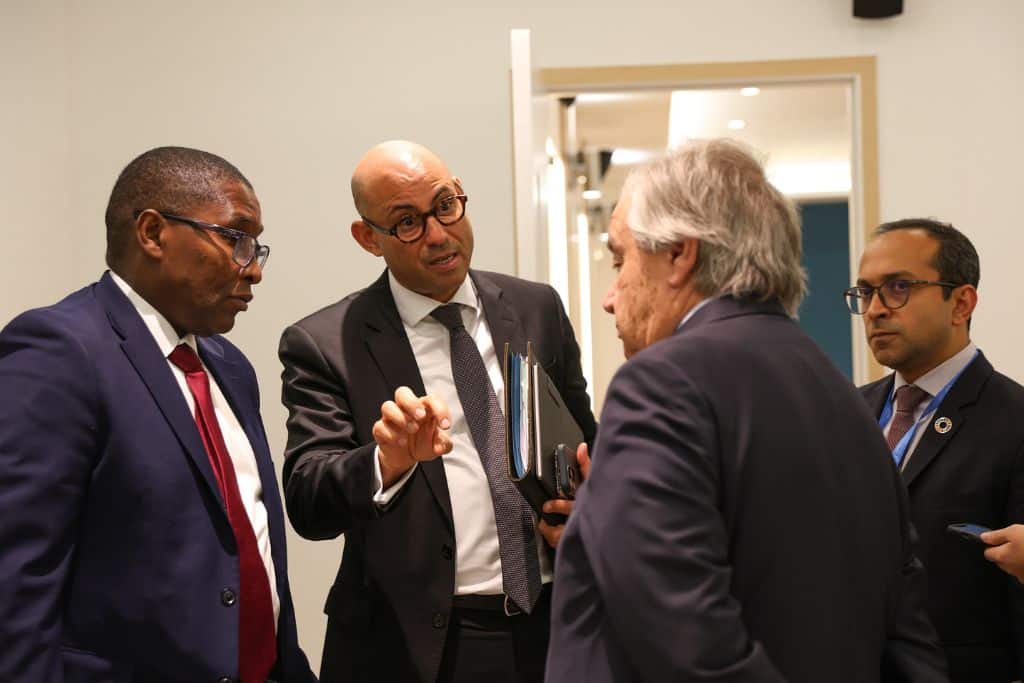
As UNFCCC Executive Secretary Simon Stiell put it at the end of COP29, the Azerbaijani presidency left Brazil with “a mountain of work to do.”
“The many other issues we need to progress may not be headlines but they are lifelines for billions of people. So this is no time for victory laps, we need to set our sights and redouble our efforts on the road to Belém. Even so, we’ve shown the UN Paris Agreement is delivering, but governments still need to pick up the pace. Let’s not forget, without this UN-convened global cooperation, we’d be headed towards 5 degrees of global warming,” Stiell said.
This story is funded by readers like you
Our non-profit newsroom provides climate coverage free of charge and advertising. Your one-off or monthly donations play a crucial role in supporting our operations, expanding our reach, and maintaining our editorial independence.
About EO | Mission Statement | Impact & Reach | Write for us
This article was originally published on November 7, 2024.