
“This month’s UN Convention to Combat Desertification Conference of Parties in Mongolia marks an opportunity for countries to fight the growting threat of invasive species on rangelands,” writes Dereje Tadesse Wakjira, Director of the IGAD Center for Pastoral Areas and Livestock Development.
—
By Dereje Tadesse Wakjira
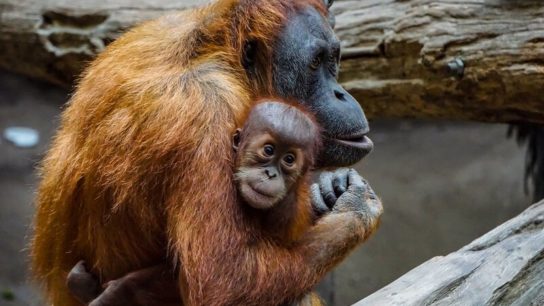
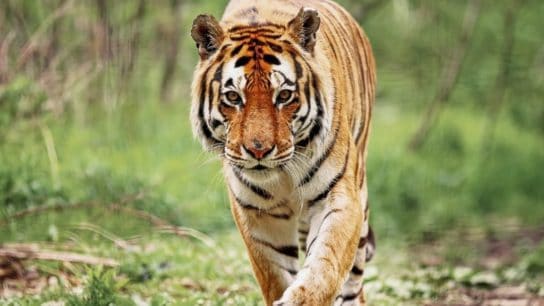
Rangelands cover half of the Earth’s land, support the livelihoods of 500 million pastoralists, sequester carbon, maintain water cycles and provide shelter for rich biodiversity, including many of the world’s protected mega species.
However, a quiet and sinister invasion is marching across the world’s rangelands, with non-native non-rangeland plants taking over millions of hectares.
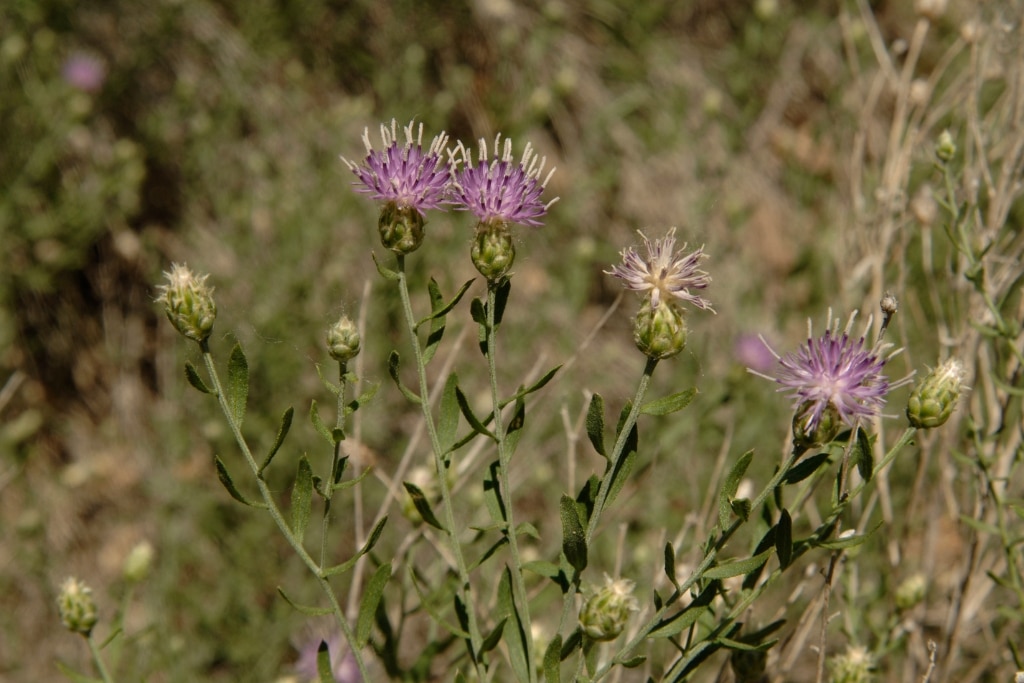
Many of these invaded rangelands look green and lush, dotted with flowers worth stopping to admire. But they are not what they seem. These invasive plants choke out native vegetation, dry up water sources, imprison livestock and people in smaller areas, and cause them injury and even death.
Some invasive species were introduced intentionally, brought in for agroforestry, soil conservation, as ornamentals or fodder, while countless others have arrived by accident. Once established, they spread easily by wind, water, people, vehicles and even livestock.
Taking over prime grazing lands along riverbanks, they push livestock onto whatever land is left, driving overgrazing and exacerbating soil erosion. Many of these plants are also toxic to livestock, have thorns or high sugar levels that rot teeth, threatening the food security and the livelihoods of the millions of pastoralists who depend on them.
The threat posed by invasive plants is growing exponentially, and global economic costs from invasive plants has quadrupled every decade since 1970.
In the Ethiopia’s Afar Region alone, Prosopis has spread over millions of hectares, expanding along river valleys and transport corridors, resulting in ecosystem service losses of approximately US$$602 million over 31 years. For the wider continent, invasive species already cost the agricultural sector alone US$65.6 billion annually through reduced crop and livestock production, degraded grazing land, and increased management costs.
Left unchecked, climate variability will only worsen this trajectory. Under a business-as-usual scenario, the total number of alien species globally is projected to be a third higher by 2050 than it was in 2005. The total cost of invasive alien plant species is likely to run into the trillions of dollars, given their sheer number across several landscapes.
One of the fundamental barriers to managing invasive plants is that not enough governments, environmental agencies and land users are taking action. The problem is worse in communal rangelands where tenure security is low, offering little incentive to invest time and resources in preventing and managing these invasions.
The UN’s Convention to Combat Desertification Conference of Parties (UNCCD COP17) – held this month in Mongolia – is the moment to confront this threat head on. It is a global platform with significant potential to raise attention to the urgent need to tackle invasive species, mobilize coordinated action at highest levels, and improve global monitoring, with invasive species as an official indicator of landscape degradation.
As of 2022, 196 countries have national invasive alien species inventories, yet 83% of them still lack the national legislation, regulations, finance or coordination structures needed to turn their pledge into concrete and measurable action. Currently, only few voluntarily record invasive species in their Land Degradation Neutrality (LDN) reporting.
Requiring countries to monitor invasive plants as a core LDN indicator would draw much-needed attention to the scale of the challenge, and help drive the policies and investment needed to prevent and manage the invasion.
Beyond monitoring, countries and their development partners must invest far more in communal rangelands tenure, governance and management, including cross-border coordination, since invasive plants do not respect national boundaries.
The next round of Global Environment Facility-funded projects is now in development. This is a real opportunity to direct resources toward this challenge at a global and national level before it gets worse. Similarly, investment in pastoralist food systems and climate resilience should prioritize invasive species in rangelands as an area of intervention. Other funding sources and strong technical support to guide successful sustainable interventions are urgently required.
Finally, action must reach the communities living with invasive species. Pastoralists are often the first to notice a new invasion but the last to get help fighting it. Training them, providing access to control methods and technologies, and offering incentives to invest and persevere will determine whether control efforts take root or fail.
For too long, people have mistaken “green” for “healthy”. Lush growth can look like a thriving ecosystem, but just because it is green, it doesn’t mean that it is good.
Monitoring, investment and community-based communal rangelands governance are the three pillars of a serious response to invasive species on rangelands. COP17 is the moment for leaders to commit to all three. Now is the time for global action before our rangelands completely disappear.
Featured image: Wikimedia Commons.
This article was developed with support from the GEF-funded IUCN implemented and ILRI executed project Sustainable Investments for Large-Scale Rangeland Restoration (STELARR) and the CGIAR Science Program on Multifunctional Landscapes. We thank all donors for their support including those that contribute to the CGIAR Trust Fund.
—
About the author: Dereje Wakjira is Director at the IGAD Center for Pastoral Areas and Livestock Development (ICPALD) since April 2022. He joined IGAD in February 2015 and led different projects that supported the IGAD Drought Disaster Resilience and Sustainability Initiative (IDDRSI). Previously, he worked in Ethiopia’s forestry and natural resources sector for 18 years with the government of Ethiopia, Worldwide Fund for Nature (WWF), Frankfurt Zoological Society (FZS) and others. Wakjira obtained his PhD in Social and Environmental Sustainability from University of Aberdeen in Scotland; Master’s Degree (MSc) in Land Management and Land Tenure from Technical University of Munich (TUM); and Bachelor Degree (B.Sc) in General Forestry from Haramay University in Ethiopia.
This story is funded by readers like you
Our non-profit newsroom provides climate coverage free of charge and advertising. Your one-off or monthly donations play a crucial role in supporting our operations, expanding our reach, and maintaining our editorial independence.
About EO | Mission Statement | Impact & Reach | Write for us