Sign Up
  • Earth.Org Newsletters

    Sign up to our weekly and monthly, easy-to-digest recap of climate news from around the world.

  • This field is for validation purposes and should be left unchanged.
Earth.Org PAST · PRESENT · FUTURE
Environmental News, Data Analysis, Research & Policy Solutions. Read Our Mission Statement

The 30th UN Conference of the Parties (COP30) – hosted in Belém, Brazil, and attended by over 55,000 people – concluded on Sunday, bringing the year’s most pivotal climate summit to a close. Despite high expectations for the “COP of Truth” to deliver on climate finance, deforestation, and Indigenous rights, the final agreement reflected a complex mix of progress and contention.

Key takeaways from COP30 Week 1 and Week 2

With 56,118 delegates registered, the 30th edition of the United Nations Conference of the Parties (COP) was the second-largest COP in history, behind only COP28 in Dubai, which was attended by more than 80,000 people. Among them were some 2,500 Indigenous people and about 1,600 fossil fuel lobbyists.

Brazil and China sent the biggest delegations – 3,805 and 789 delegates, respectively. For the first time in 30 years, the US sent none, a move that some said “cast a shadow” over the debates and intensified the deadlock on core issues such as climate finance and loss and damage.

COP30 was sharp in focus on ramping up climate finance for hard-hit developing nations and tackling deforestation.

Brazil President Luiz Inácio Lula da Silva said at the opening ceremony that COP30 would be the “COP of Truth…the moment for world leaders to prove the seriousness of their commitment to the planet.” For many, that promise did not materialize.

“The truth at COP30, dubbed the ‘COP of Truth,’ is that countries are failing their legal duties,” Erika Lennon, Senior Attorney at the Center for Environmental Law, said on Sunday. We are gathering reactions here.

Read on as Earth.Org recaps the main achievements and failures of COP30.

More on COP30 from Earth.Org (click to view)

News

Explainers

Opinion

Pre-COP30

Achievements and Failures

Fossil Fuels

The biggest failure of COP30, many agree, is that the final agreement omits any mention of planet-warming fossil fuels. It comes despite an unprecedented number of countries (more than 80 and led by Colombia) and more than 100 organizations, explicitly asked the presidency to develop a roadmap to transition away from fossil fuels. In a letter seen by the Guardian, a group of 29 countries – including Austria, Colombia, Germany, Iceland, Panamá, Mexico and Vanuatu – had even threatened to block any agreement that would not mention a commitment to phase out fossil fuels.

Marina Silva, Brazil's Minister of Environment and Climate Change, and André Corrêa do Lago, COP30 President, at the COP30 Closing Plenary.
Marina Silva, Brazil’s Minister of Environment and Climate Change, and André Corrêa do Lago, COP30 President, at the COP30 Closing Plenary. Photo: UN Climate Change/Kiara Worth via Flickr.

Under pressure from major petrostates, including Saudi Arabia and Russia, COP30 President André Corrêa do Lago ultimately announced a compromise: a voluntary “roadmap” for transitioning away from fossil fuels. This roadmap will proceed outside the formal UN process and be merged with the plan of the Colombia-led “coalition of the willing.” Separately, Colombia announced it will host the world’s first International Conference on the Just Transition Away from Fossil Fuels in April.

According to the Guardian, developing the roadmap would involve science-led high-level dialogues among governments, industry and civil society over the next year, with results to be reported back to COP.

“It took decades for the need to transition away from fossil fuels to be named at COP28. It’s a grave injustice that two years later, historical polluters are still blocking progress in ending the era of fossil fuels by withholding commitment to pay up their climate debt to the Global South on all fronts,” said Avril De Torres, Deputy Executive Director at the Center for Energy, Ecology, and Development.

The closest commitment to a fossil fuel phase-out included in the final agreement was a concession that nations should implement carbon-cutting plans “taking into account the decisions” made over years of UN climate talks, including the unprecedented commitment made at COP28 to “transition away from fossil fuels.”

Climate finance

The final agreement on adaptation “calls” for the tripling of funding for climate adaptation, to be provided by rich countries to protect vulnerable nations from the escalating impacts of climate change. It builds on a previous pledge made at COP26 in 2021 to double adaptation funds to $40 billion by 2025, although details of how that will be implemented, or what the exact amount will be, were left out.

The initial suggested date for disbursing what’s estimated to be $120 billion a year was also pushed back from 2030 to 2035.

The need for adaptation financing in developing countries is significant. In October, the UN Environment Programme estimated this amount to be between $310 billion and $365 billion per year until 2035 – 12 to 14 times more than current financing flows.

Action Adaptation Finance Now demonstration at COP30.
Action Adaptation Finance Now demonstration at COP30. Photo: UN Climate Change/Zô Guimarães via Flickr.

Nations also reached long-awaited consensus on a set of indicators to measure progress on the Global Goal on Adaptation (GGA) established in the Paris Agreement, narrowing it down from 10,000 to just 100. The GGA seeks to increase countries’ adaptive capacity, strengthen their resilience, and reduce their vulnerability to climate change through an adequate response to the damage that is already occurring.

Aside from the indicators, the agreement includes a call to launch of the Belém–Addis vision on adaptation – a two-year process to further operationalize the indicators. Addis Abeba, Ethiopia will host COP32 in 2027.

Just Transition

A major outcome was an agreement to establish a just transition “mechanism”, ensuring a fair green transition that takes account the rights of all people, from workers and women to Indigenous people and frontline communities. Parties requested the 64th Sessions of the UNFCCC Subsidiary Bodies, scheduled for June 2026, to recommend a draft decision in order to operationalize the mechanism at next year’s COP31.

“We came here to get the Belém Action Mechanism – for families, for workers, for communities. The adoption of a Just Transition mechanism was a win shaped by years of pressure from civil society,” said Tasneem Essop, Executive Director at Climate Action Network International. “This outcome didn’t fall from the sky; it was carved out through struggle, persistence, and the moral clarity of those living on the frontlines of climate breakdown. Governments must now honour this Just Transition mechanism with real action. Anything less is a betrayal of people – and of the Paris promise.”

Deforestation

Despite being deliberately sited in the heart of the Amazon, COP30 delivered little on forest protection. Although Brazil’s Environment Minister Marina Silva pushed for strong language, the final agreement failed to mention deforestation.

Instead, President Corrêa do Lago announced a separate, voluntary roadmap for forest preservation, mirroring the parallel initiative established for fossil fuels.

Marina Silva, Brazil's Minister of Environment and Climate Change, at the COP30 Closing Plenary.
Marina Silva, Brazil’s Minister of Environment and Climate Change, at the COP30 CLosing Plenary. Photo: UN Climate Change/Kiara Worth via Flickr.

“For a COP hosted in the Amazon, it’s shattering that deforestation took a back seat,” said Kelly Dent, Director of External Engagement for World Animal Protection. “The wildlife, indigenous people and traditional communities who call the forest their home deserved better than this.”

President Lula’s flagship initiative to pay for rainforest protection also failed to reach the success initially predicted. 53 countries endorsed the fund, with total pledges standing at $6.6 billion – far off the initial investment target of $25 billion.
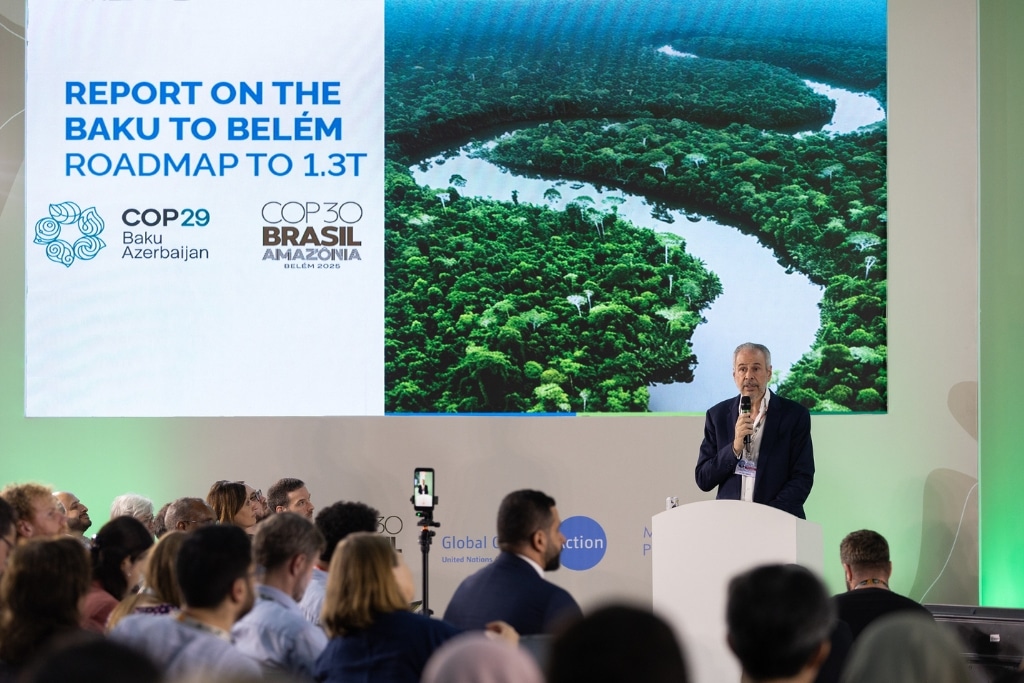
André Corrêa do Lago, COP30 President and Ambassador of Brazil, speaks during an event on the Baku to Belém Roadmap to 1.3T at COP30.
André Corrêa do Lago, COP30 President and Ambassador of Brazil, speaks during an event on the Baku to Belém Roadmap to 1.3T at COP30. Photo: UN Climate Change/Kiara Worth via Flickr.

18 board members, equally representing rainforest nations and donor countries, are set to oversee the initiative, which will support up to 70 eligible developing nations. A minimum of 20% must be allocated towards Indigenous groups and traditional communities.

Indigenous Participation

Hosting the conference in Belém, at the heart of the Amazon Basin, was a deliberate choice. Lula called it “a political and symbolic decision,” aimed at showing that the Amazon is an essential part of the climate solution, not merely a topic for debate.

The Brazilian government also committed to unprecedented Indigenous participation, with some 2,500 Indigenous people attending the summit. It marked the first time Indigenous leadership, rights, and knowledge were placed so centrally in global climate negotiations. 

“Indigenous Peoples want to take part, not just show up,” said Brazil’s Minister for Indigenous Peoples, Sônia Guajajara. “We want to lead and be part of the solution.” But achieving political influence requires more than participation, and COP30 failed on this front, allowing only 14% (360 individuals) accreditation for the Blue Zone, the restricted area for official negotiations.
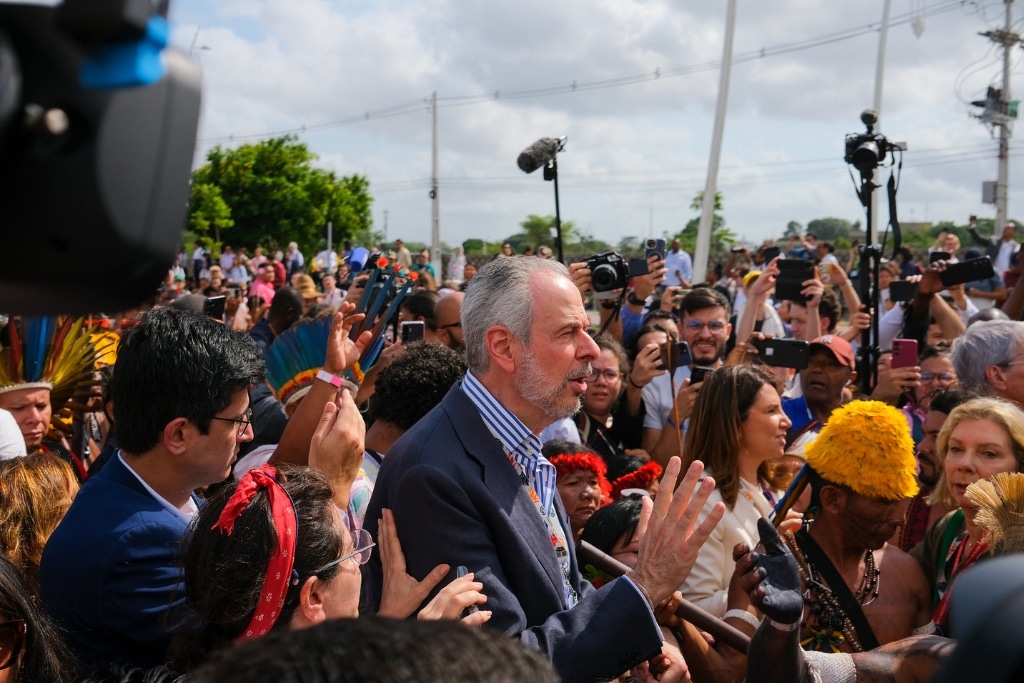
André Corrêa do Lago, COP30 President and Ambassador of Brazil during the Munduruku indigenous people hold a demonstration.
André Corrêa do Lago, COP30 President and Ambassador of Brazil during the Munduruku indigenous people hold a demonstration. Photo: UN Climate Change/Diego Herculano via Flickr.

Despite this exclusion, Indigenous-led protests proved impactful: Colombia declared the Amazon an exclusion zone for extractivism, while Brazil announced the demarcation of 10 Indigenous lands– a key demand – during a high-level meeting of the conference. Ministers from several countries and philanthropic leaders participated and signed land protection commitments, recognizing Indigenous people and traditional communities as essential guardians of the forests and central actors in the climate agenda.

During the ceremony, Guajajara also signed a commitment to allocate an additional 59 million hectares of public land to Indigenous peoples to implement Brazil’s National Policy for Territorial and Environmental Management of Indigenous Lands and to consolidate land tenure after the removal of non-Indigenous occupants.

Meeting with Indigenous representatives at COP30.
Meeting with Indigenous representatives at COP30. Photo: UN Climate Change/Kiara Worth via Flickr.

According to Indigenous leaders present at the event, the package of ordinances meets a historical demand for territories to finally be recognized as part of the climate solution, given the proven role of Indigenous lands in containing deforestation and preserving the Amazon.

“The recognition of Indigenous Peoples rights – especially those in voluntary isolation and initial contact – including their right to self-determination, is an important victory of this COP, held for the first time in the Amazon, home to most of the world’s isolated peoples,” said Gisela Hurtado, Senior Amazonia Campaigner at a grassroots environmental organization Stand.earth.

“But let’s be clear: COP30 fell short of delivering the historic decision the world urgently needed. A just transition won’t be possible with the expansion of fossil fuel extraction, nor can it ignore the social, environmental, and human rights risks of the mining boom that is already impacting Indigenous territories.”

Members of civil society during the People’s Plenary at COP30.
Indigenous people during the People’s Plenary at COP30. Photo: UN Climate Change/Kiara Worth via Flickr.

Controversies at COP30

For some years now, the presence of fossil fuel lobbyists at COPs has been a given – and COP30 was no different.

An analysis by the Kick Big Polluters Out (KBPO) coalition revealed that one in 25 participants (some 1,600 people) represented the fossil fuel industry. They outnumber all countries’ delegations except Brazil, which has 3,805 delegates in attendance. The group also calculated that lobbyists have received two thirds more passes to COP30 than all the delegates from the 10 most climate vulnerable nations combined.

Civil society actions at COP30 on Friday, November 14.
Civil society actions at COP30 on Friday, November 14. Photo: UN Climate Change/Kiara Worth via Flickr.

Climate activists have long called COP meetings a “farce” due to the presence of thousands of fossil fuel representatives, with Global Witness’ investigation reigniting debates over the role of fossil fuels in the summit.

Three petrostates – Azerbaijan, the United Arab Emirates, and Egypt – hosted the last three summits. At each summit, the presence of fossil fuel lobbyists was significant: at least 1,773 at last year’s COP29, at least 2,456 oil and gas lobbyists at COP28 (a record), and more than 630 people at COP27.

A COP30 participant wears a badge reading 'I'm not a fossil fuel lobbyist!!'
A COP30 participant wears a badge reading ‘I’m not a fossil fuel lobbyist!!’. Photo: UN Climate Change/Zô Guimarães via Flickr.

What’s Next?

Next year’s COP31 climate summit will be held in Turkey after Australia dropped its bid to host the annual talks after months of negotiations. Instead, Australia agreed to support the Turkish bid in return for their minister chairing the talks – a highly unusual arrangement has taken observers by surprise. The COP Presidency is typically held by the host country⁠. Turkey has proposed holding the 2026 summit in Antalya, a resort city of 2.7 million people.⁠

Featured image: UN Climate Change/Kiara Worth via Flickr.

COP30 climate negotiations in the Brazilian city of Belém, in the heart of the Amazon rainforest, concluded Sunday with an agreement that calls for renewed commitments to tackle rising temperatures but omits any mention of planet-warming fossil fuels.

Reactions to the COP30 agreement are pouring in from around the world. The two-week summit in Brazil concluded with what many have called “weak” commitments to scaling up climate finance for developing countries and lacked any mention of the primary cause of climate change: fossil fuels.

Follow Earth.Org as we gather reactions from green groups around the world.

Climate Action Network

Tasneem Essop, Executive Director, CAN International

We came here to get the Belém Action Mechanism – for families, for workers, for communities. The adoption of a Just Transition mechanism was a win shaped by years of pressure from civil society. This outcome didn’t fall from the sky; it was carved out through struggle, persistence, and the moral clarity of those living on the frontlines of climate breakdown. Governments must now honour this Just Transition mechanism with real action. Anything less is a betrayal of people – and of the Paris promise.

Civil society held steady at this COP – together with frontline countries and movements who refused to let justice be pushed aside, even as some developed countries dug in their heels and tried to block agreement. 

We will continue to fight for Adaptation – that is essential for protecting people by investing in their resilience to climate impacts, securing the resources they need to withstand rising risks, and ensuring no community is left exposed. Without Adaptation finance and a just, equitable, and fully funded plan to transition away from fossil fuels, governments are not confronting the root cause of the crisis. We have a win for justice from COP30, but we keep fighting.

Chiara Martinelli, Director at CAN Europe

Delivering BAM was a major civil society win, it creates a coordinated institutional home to drive forward progress on the Just Transition. Beyond this success though, COP30 leaves us with a grim picture when it comes to the whole justice package we came here for. Adaptation was sidelined, and fossil fuels were erased from the outcome. Ten years after Paris, we expected courage. Instead, world leaders delivered the bare, bare minimum.

COP30 Closing Plenary. Photo: UN Climate Change/Kiara Worth via Flickr.
COP30 Closing Plenary. Photo: UN Climate Change/Kiara Worth via Flickr. Photo: UN Climate Change/Kiara Worth via Flickr.

Greenpeace

Carolina Pasquali, Executive Director, Greenpeace Brazil

President Lula set the bar high in calling for roadmaps to end fossil fuels and deforestation, but a divided multilateral landscape was unable to hurdle it. This was a crossroad – a properly funded path to 1.5°C or a highway to climate catastrophe – and while many governments are willing to act, a powerful minority is not.

This weak outcome doesn’t do justice to everything else that happened in Belém. The biggest Indigenous participation in a climate COP, but also the marches and protests organised outside led to the demarcation of 14 lands – four of those in the very final stage of the process, securing over 2.4 million hectares of land for its original peoples in Brazil.

Indigenous Peoples’ and local communities’ rights, tenure and knowledge and the rights of people of African descent, were also formally acknowledged – a confirmation that can help shift future discussions. The two roadmaps and a strong finance outcome would have provided a historic result to raise ambition, but the work now continues.

Jasper Inventor, Deputy Programme Director, Greenpeace International

COP30 started with a bang of ambition but ended with a whimper of disappointment. This was the moment to move from negotiations to implementation – and it slipped. The outcome failed to match the urgency demanded. The 1.5°C limit is not just under threat, it’s almost gone. It’s this reality that exposes the hypocrisy of inaction of COP after COP after COP.

COP30 didn’t deliver ambition on the 3Fs – fossil fuels, finance and forests. No agreed pathway to phase out fossil fuels, no concrete plan to protect forests and no meaningful step-up in climate finance. But the millions globally and the tens of thousands on Belém streets show that hope lives outside the conference walls as communities continue to resist and rise up for our people and our planet.

Potsdam Institute for Climate Impact Research (PIK)

Johan Rockström, Earth system scientist and PIK Director

Ten years after Paris, COP30 was declared to be the COP of ‘truth and implementation’. Scientifically, this was an appropriate label. But leaders gathered in Belém failed to fulfil this promise. The ‘truth’ is that our only chance of ‘keeping 1.5°C within reach’, is to bend the global curve of emissions downward in 2026 and then reduce emissions by at least 5% per year. ‘Implementation’ requires concrete roadmaps to accelerate the phase out of fossil fuels and the protection of nature. We got neither. And this happened despite a committed, science-aligned and astute Brasilian Presidency of the COP. At this critical juncture of imminent risks, false hope is the last thing the world needs now. Within just 5-10 years we are likely to breach 1.5°C, entering the terrain of danger, both for billions of people affected by rising weather extremes, and of the risk of crossing tipping points, among them, Earth’s richest biomes – the Amazon and tropical coral reef systems. Unfortunately, COP30 continues to add to the legacy since the Paris Agreement; to spread false hope. What the world needs is real delivery, with a credible plan and set of policies and regulations to achieve it, starting by phasing-out fossil-fuels in an accelerated, orderly and just way. This would be real hope.

Ottmar Edenhofer, climate economist and PIK Director

The COP30 declaration cannot be characterised as groundbreaking. The states are promising too little, and they are not keeping their promises. The clear messages from the Intergovernmental Panel on Climate Change (IPCC) are obviously not being sufficiently heard. And once more, the COP28 pledge of “transitioning away from fossil fuels” has not been further developed. The COP could develop into a more innovative platform for designing policy initiatives. In Belém, it was discussed how air and sea transport could be taxed. The debate on climate tariffs was controversial, but helped to make the connection between climate and trade clear. A major initiative to finance global rainforest protection has been launched, and minilateral agreements between China and the EU to finance emission reductions emerge as an option for the future. Even if many of these projects are currently still fraught with problems: the COP should strengthen its profile in terms of launching and evaluating promising climate action initiatives.

Center for Energy, Ecology, and Development (CEED)

Avril De Torres, Deputy Executive Director, CEED

It took decades for the need to transition away from fossil fuels to be named at COP28. It’s a grave injustice that two years later, historical polluters are still blocking progress in ending the era of fossil fuels by withholding commitment to pay up their climate debt to the Global South on all fronts. While we welcome the acknowledgement of the need to address the interlinked crises of climate, biodiversity loss, and degradation of ecosystems, as well as the inclusion of a new mechanism for a just transition, these are gravely undermined by a failure to stop continued destruction caused by coal, gas, and oil.

Center for International Environmental Law (CIEL)

Rebecca Brown, CIEL’s President and CEO

Multilateralism remains our best hope for a livable future—but it must prove it can move: decisions that phase out fossil fuels, protect human rights, and finance a just transition—free of corporate capture. When consensus becomes veto, we need rules that let the global majority act. That’s how multilateralism demonstrates impact—and changes outcomes.

Erika Lennon, CIEL Senior Attorney

The truth at COP30, dubbed the ‘COP of Truth,’ is that countries are failing their legal duties. The International Court of Justice confirmed that keeping the temperature rise to below 1.5 °C is a legal benchmark. It’s not a slogan or words on paper, but a necessity for billions, and failure is measured in lives. Without a commitment to a full and equitable fossil fuel phaseout and adequate public climate finance, this COP30 deal disregards the law. Petrostates and industry lobbyists use the consensus rule to block action and ambition. We now need to reform the UNFCCC so the global majority can act, starting with conflict of interest rules and allowing majority voting.

We Mean Business Coalition  

Maria Mendiluce, CEO, We Mean Business Coalition

The formal outcomes of COP30 fell way short of what is needed and do not match the speed of transition in the real economy.  This is a missed opportunity to further accelerate the transition and its benefits. The support shown in Belém for stronger outcomes from many countries and the private sector – based on the clear evidence that clean electrification is already lowering costs, strengthening resilience and driving competitiveness – were not reflected sufficiently in the final text. While there is recognition of the urgency and gap in ambition, the signal of how countries will collectively respond to that remains weaker than what markets and technology demand. 

We welcome Brazil’s announcement in the final plenary that it will drive new Presidency-led roadmaps on fossil fuels and deforestation – with multistakeholder input – as potential next steps in shaping clearer direction for implementation. If these roadmaps provide practical guidance, engage ambitious businesses, and provide a platform for coordinated action, they can help countries and businesses navigate the transition with greater confidence. 

This goes some way to responding to the call from more than 80 countries, representing one third of global fossil fuel imports, who showed their leadership in backing a roadmap away from oil, gas and coal because they see the transition makes economic sense. Nonetheless, those who put their line in the sand against a formal roadmap because of vested fossil fuel interests need to understand that blocking does not stop the transition, it simply lessens the chance to manage it in an orderly, equitable and fair way through the Paris Agreement. But business does not wait for perfect politics and will continue to scale clean solutions because it’s economically sound; and investment into renewables, clean electrification, EVs, grids and storage will continue to surge. 

Global Climate and Health Alliance

Howard Catton, CEO, International Council of Nurses (GHCA member organization)

Nurses carry the memories of patients whose suffering is tied to fossil fuels. We see the child gasping for air, the family grieving after climate disasters, and Indigenous communities losing health, land, and safety. These harms are not abstract. They deepen inequities and push health systems beyond their limits. Nurses are the ones who sit beside the patient, witnessing their pain and knowing these harms are not random, but driven by human choices. They are preventable if leaders listen to those on the frontlines. We are calling for urgent investment in resilient health systems and a strong health workforce, and we are calling for a rapid and just phase out of fossil fuels to protect the health of people and the planet.

Emily Bancroft, Emily Bancroft, Health Care Without Harm US (GHCA member organization)

The lesson from COP30 is clear: you cannot have healthy people without a healthy planet. COP30 highlighted real progress—from the launch of the Belém Health Action Plan to healthcare’s strengthened commitments to Race to Zero. Yet it also exposed the gaps we must confront: the political will to accelerate a just transition away from fossil fuels and inadequate financing to protect the most vulnerable. Without closing these gaps, people’s lives and the planet on which we depend remain at risk. The health community will continue to lead by example, driving the action, evidence, and accountability needed to move the world toward a climate-resilient, equitable future.

Marina Silva, Brazil's Minister of Environment and Climate Change, and André Corrêa do Lago, COP30 President, at the COP30 Closing Plenary.
Marina Silva, Brazil’s Minister of Environment and Climate Change, and André Corrêa do Lago, COP30 President, at the COP30 Closing Plenary. Photo: UN Climate Change/Kiara Worth via Flickr.

Alliance of Small Island States

The clock has struck down on the final moments here at the COP of Truth”. For our vulnerable countries who are suffering the unjust, disproportionate and escalating impacts of climate change, the progress made in these final moments mean everything.

What is the truth for small island developing states and least developed countries? The truth is that we are dangerously close to a 1.5°C global warming overshoot, driven by the actions of bigger countries – and unless we push forward on the path of course correction as we advance from COP30, leaders are dooming our world to disaster.

The truth is that countries agreed on the Paris Agreement text in clear terms, yet many commitments have not been kept.

The truth is that right now, our people are losing their lives and livelihoods from storms of unprecedented strength which are being powered by warming seas. The truth is that our coral reefs, the lifeblood of our islands’ food systems, culture, and economies, are at a tipping point in dieback at 1.3°C. Forest ecosystems are at a tipping point. The window to protect lives and economies is closing.

This COP30 outcome must advance momentum for urgent action to close the ambition and implementation gaps. AOSIS expresses our appreciation to all countries which have helped us forge progress here, amidst a difficult geopolitical context. However, there can be no doubt that we collectively must do much more to achieve our Paris Agreement temperature goal of 1.5°C. Our vulnerable communities are counting on us to speak this truth to power on their behalf.

Global Renewables Alliance

Bruce Douglas, CEO of the Global Renewables Alliance (GRA)

COP30 missed an opportunity to agree a formal roadmap to manage the inevitable transition away from fossil fuel – the elephant in the (burning) room. 85 countries made it clear they want a roadmap – that signal should not be underestimated. The Presidency’s decision to take this forward outside the negotiations keeps momentum alive. The action agenda, especially the strong grids and storage package, shows countries and companies are already implementing the next phase. The renewables industry stands ready to translate that political intent into delivery.

Transparency International

Brice Böhmer, Climate & Environment Lead, Transparency International

As COP30 concluded, we must reckon with both its modest gains and its shortcomings. Branded the “COP of Truth”, the summit often fell short of that promise. It did little to restore confidence in global climate negotiations, and the final hours underscored the urgent need for reforms to strengthen this crucial multilateral process.

Civil society, especially Indigenous and frontline communities, reminded negotiators what is truly at stake. Stories from communities such as the Garifuna, whose lands were seized for palm oil expansion, highlighted how climate justice is inseparable from human rights, land sovereignty, and transparency. Some safeguards were reflected in the just transition work programme.

But these steps were overshadowed by the overwhelming presence of polluting industries. Once again, fossil fuel lobbyists outnumbered many delegations from the countries most affected by the climate crisis. Industrial agriculture and carbon capture and storage lobbyists further expanded corporate influence, pushing narratives that risk delaying the real transition the world urgently needs and attempting to weaken essential rules for carbon markets. Meanwhile, no progress was made on fossil fuels or deforestation, with negotiators leaving only with a commitment from the COP President that Brazil will develop two roadmaps.

While industry actors enjoyed unprecedented access, many Indigenous and frontline representatives struggled to be heard. Although the COP30 President and CEO engaged with demonstrators, the heavy security presence, including militarised zones, reinforced a sense of exclusion. When those most affected are sidelined while those most responsible shape the agenda, the credibility of the COP process is fundamentally undermined.

World Animal Protection

Kelly Dent, Director of External Engagement for World Animal Protection

COP30 has been dubbed the ‘COP of truth’, yet a truth not being acknowledged is we cannot tackle the climate crisis while turning our back on the destruction and suffering caused by industrial animal agriculture.

For a COP hosted in the Amazon, it’s shattering that deforestation took a back seat. The wildlife, indigenous people and traditional communities who call the forest their home deserved better than this.

We are pleased to see an emerging recognition of food systems in the negotiations as well as in in the Belem Declaration on Hunger, Poverty and Human-Centred Climate Action. It’s positive to see recognition in the text of the role of small-scale farmers, however it’s concerning there is no mention of animal welfare, when the health of animals and our environment are so importantly intertwined.

Although closed door negotiations provided little room for civil society, COP30 gave the opportunity for movements supporting animals to have their voices heard, from outside protests directly calling out big agribusiness, to official events where we demonstrated the power of food systems that reduce emissions, are kinder to animals and support small scale farmers.  

The Belem Political Package falls short of what animals, people and planet need to thrive. It fails to acknowledge that agriculture is the major driver of deforestation, and that cutting down our forests is supercharging emissions.

Climate Crisis Advisory Group

Sir David King, Chair of the Climate Crisis Advisory Group

The science could not be clearer. Fossil fuels are driving the overshoot we are living through today, with devastating impacts already unfolding. But progress on a phase out remains blocked because the historical fossil-fuel producing countries have still not committed to a strategy for deep and rapid emissions reduction or to a concessional finance that developing countries need for a fair transition. These gaps feed one another, and they explain why COP30 ends without the decisive outcome the world needs.

What does give hope is the new coalition of more than 80 countries that have, for the first time, united behind a roadmap to phase out fossil fuels, from Africa to Latin America to the Pacific and Europe. Outside the COP process, momentum must now become delivery. This governments must turn this political signal into real finance, real emissions cuts and credible just transition pathways. That is how we shorten overshoot, protect the most vulnerable and rebuild trust in the global response.

Dr Arunabha Ghosh, CCAG Member and CEO, CEEW, and Special Envoy to COP30 representing South Asia

Climate negotiations risked being disconnected from climate reality and the action that is already happening. At COP30 in Brazil, the real world finally came back into the room.

In a year where climate multilateralism has been challenged, getting a good deal was better than failing to get any deal in pursuit of the best deal. The simple truth is that the world is not binary. Real transitions happen amid complex and hard development choices.

We saw important steps calling for at least tripling adaptation finance (even though by 2035); recognising diverse national pathways for a just transition; deciding to establish a two-year work programme on climate finance, including on Article 9.1 in the context of Article 9 as a whole; reaffirming that measures taken to combat climate change, including unilateral ones, should not constitute a means of arbitrary or unjustifiable discrimination; and finally, deciding to launch a Global Implementation Accelerator, including a high-level dialogue next year.

We need genuine investment pathways, honest recognition of the scale of loss & damage, adequate concessional finance, and a system that judges COPs the way company boards judge annual performance — not on plans, but on delivery.

The developing world is injecting real-world clarity—and real solutions—into a debate long stuck in abstraction. Delivery is the only currency of trust. The negotiations have delivered. Now action must.

COP30 Closing Plenary.
COP30 Closing Plenary. Photo: UN Climate Change/Kiara Worth via Flickr.

Oxfam Australia

Josie Lee, Policy and Advocacy Lead, Oxfam Australia

While we made some incremental progress, the main obstacle to meaningful action at this and every other global climate summit is developed countries like Australia failing to meet our obligation to provide adequate climate funding to low-income countries. 

Australia and other developed countries have grown wealthy in large part from using polluting fossil fuels for energy. We now know that this has had global consequences and we have the responsibility to not only phase out climate pollution at home, but to financially support low-income countries to respond. Next year we must deliver new and scaled-up funding to low-income countries or risk making the climate crisis worse.

Power Shift Africa

Mohamed Adow, Director, Power Shift Africa

With an increasingly fractured geopolitical backdrop, COP30 gave us some baby steps in the right direction, but considering the scale of the climate crisis, it has failed to rise to the occasion. 

Among the green shoots to emerge was the creation of a Just Transition Action Mechanism — a recognition that the global move away from fossil fuels will not abandon workers and frontline communities.

COP30 kept the process alive — but process alone will not cool the planet. Roadmaps and workplans will mean nothing unless they now translate into real finance and real action for the countries bearing the brunt of the crisis.

Despite calling themselves climate leaders, developed countries have betrayed vulnerable nations by both failing to deliver science-aligned national emission reduction plans and also blocked talks on finance to help poor countries adapt to climate change caused by the global north.

Rich countries cannot make a genuine call for a roadmap if they continue to drive in the opposite direction themselves and refuse to pay up for the vehicles they stole from the rest of the convoy.

Christian Aid

Mariana Paoli, Christian Aid’s Global Advocacy Lead

Brazil said this would be the ‘COP of truth’ – but the truth is, this was a disappointing outcome with only mild gains made in tackling the climate crisis.

The elephant in the room was the lack of finance from rich countries to fund the energy transition away from fossil fuels and help vulnerable communities adapt to a climate crisis they have done nothing to create. This is why there is an increasing lack of trust in the process from poor countries.“If rich nations had been willing to meet their finance obligations, a roadmap to phase out fossil fuels would have been on the cards. But without the money that became an impossible task.

While there was a positive outcome at COP31 in the form of the Just Transition Action Mechanism to ensure the global shift from dirty to clean energy doesn’t hurt workers in the fossil fuel industry, meaningful outcomes on helping vulnerable countries adapt to climate change were missing. 

Overall it feels like this year’s summit was a missed opportunity for a COP taking place in the Amazon to step up meet the climate challenge head on. Without a better vision for what is required, poor and vulnerable people will continue to suffer from a problem they didn’t create.

Featured image: UN Climate Change/Kiara Worth via Flickr.

More on COP30 from Earth.Org (click to view)

News

Explainers

Opinion

Pre-COP30

After a first week marked by major pledges, key announcements, and large-scale protests, week two of COP30 began with a significant development: concessions by the Brazilian government on long-sought Indigenous land demarcations. The week’s core focus quickly shifted back to fossil fuels, specifically the contentious debate over whether a phase-out should be included in the final agreement. With all eyes on the delegates in Belém to deliver a meaningful deal, here are the main takeaways from the second half of the UN climate summit.

COP30 Week 1: Recap

A lot has happened in Belém this week, from a fire in the Blue Zone that disrupted negotiations on Thursday afternoon to dozens of countries and hundreds of businesses calling for a fossil fuel phase-out.

The week was also marked by both small- and large-scale protests and direct action events, following two large Indigenous-led protests on week one. They are a stark contrast from past conferences in Baku, Azerbaijan, and Dubai, UAE, where tight security cracked down on demonstrations.

“We haven’t seen protests like this in years,” Astrid Puentes Riaño, UN Special Rapporteur on the human right to a clean, healthy and sustainable environment and a COP veteran of many years, told Earth.Org. “It’s important to note that the Brazil presidency has tried to incorporate people’s voices, with the Global Ethical Stocktake, Children’s Day, special envoys… But it’s not finished. The process still has a long way to go.”

More on the topic: ‘People’s COP’ Marked By Civil Society Protests and Direct Action Events

Participants also used different forms of art – dancing, photography, sculpture, poetry, and painting – to engage with their audiences and bring marginalized voices to the fore.

Our reporter spoke with several activists about the message they brought to COP30 – from pro-nuclear activists handing out bananas to passersby seeking to demystify concerns around radioactivity to disability activists demanding greater information accessibility, better consideration of people with disabilities in climate adaptation, and an official seat at the table.

Nuclear for Climate member hands out a banana to a COP30 participant.
Nuclear for Climate member hands out a banana to a COP30 participant. Photo: Maximilien Struys/Nuclear for Climate.

Of course, none of this would be possible without the hundreds of volunteers that help run every aspect of the conference. This year, more than 1,900 residents of Belém were trained as volunteers, after a selection process where they had to demonstrate English skills and other competencies. Our reporter spoke to some of them.

If you want to take a step back and learn more about the UN climate negotiations process, check out this guide on the history of the COP and this glossary to help you navigate the negotiations.

Below is a recap of the main announcements and events from COP30 Week 2.

More on COP30 from Earth.Org (click to view)

News

Explainers

Opinion

Pre-COP30

Fossil Fuels

On Tuesday, the COP30 Presidency published a draft text on a “global mutirão” – a cover decision for COP30. The text drew together four big issues to be discussed: finance, trade, transparency and ambition. It also mentioned a roadmap to transition away from fossil fuels – a pledge adopted at COP28 two years ago – although only as an option.

“The current reference in the text is weak and it’s presented as an option. It must be strengthened and it must be adopted,” Tina Stege, Climate Envoy for the Marshall Islands, said at a press conference alongside representatives from more than a dozen supportive countries.

Participants during the “High-Level Roundtable on Just Transition” session at COP30.
Participants during the “High-Level Roundtable on Just Transition” session at COP30. Photo: UN Climate Change/Diego Herculano via Flickr.

Throughout the week, calls for the phaseout of fossil fuels gathered support from more than 80 countries joined a coalition, among them most Small Island Developing Nations and most EU countries, the UK, and Brazil. The movement is unprecedented in the history of the UN climate conferences.

EU Climate Commissioner Wopke Hoekstra on Wednesday proposed the creation of a “mutirão road map” to accelerate the energy transition away from planet-warming fossil fuels. “We need to keep our ambitions high when it comes to lowering the emissions. It requires implementation,” he said, according to Bloomberg.

More than 100 organizations, including businesses and business groups, have also urged governments to agree to start developing a roadmap to transition away from fossil fuels. “A robust, credible roadmap would help countries and businesses plan the shift to clean energy, strengthen energy security and reduce costs for consumers. Anchoring the roadmap in real-world momentum toward clean energy and electrification would provide much-needed clarity for investment and national implementation,” the coalition wrote in a letter to the COP30 Presidency. 

André Corrêa do Lago, COP30 President and Ambassador of Brazil, speaks during the Third High-level ministerial dialogue on climate finance at COP30.
André Corrêa do Lago, COP30 President and Ambassador of Brazil, speaks during the Third High-level ministerial dialogue on climate finance. Photo: UN Climate Change/Kiara Worth via Flickr.

However, “[t]here’s little expectation that a fully realized plan on fossil fuels will emerge by Friday,” Bloomberg wrote this week, with “a commitment to discuss it over the next year or longer” as one potential solution. COP30 CEO Ana Toni told a press conference that a “great majority” of country groups they had consulted saw a fossil-fuel roadmap as a “red line”, while COP30 President André Corrêa do Lago spoke of “significant resistance” to the idea.

Mutirão text

The COP30 Presidency’s latest version of the mutirão text published on Friday does not include mentions of fossil fuels. It calls on parties to “urgently advance actions to enable the scaling up” of finance from all sources and for “efforts” to triple adaptation finance.

Shortly after, the Guardian revealed that a group of 29 countries had written a letter to the presidency in which they threatened to block any agreement that would not mention a commitment to phase out fossil fuels. Signatories include: Austria, Belgium, Chile, Colombia, Costa Rica, Croatia, Czechia, Estonia, Finland, France, Germany, Guatemala, Honduras, Iceland, Ireland, Liechtenstein, Luxembourg, the Marshall Islands, México, Monaco, the Netherlands, Panamá, Palau, Slovenia, Spain, Sweden, Switzerland, the UK and Vanuatu.

“We express deep concern regarding the current proposal under consideration for a take it or leave it…We cannot support an outcome that does not include a roadmap…We respectfully yet firmly request that the presidency present a revised proposal…The success of the presidency will lie in presenting a balance and forward-looking outcome, rather than in asking others to accept only what the least ambitious are willing to allow,” the letter read.

More on the topic: Increasing Fossil Fuel Exploration Threatens Biodiversity Hotspots, Say Activists at COP30

Deforestation

Tropical Forest Forever Fund

On Wednesday, German Environment Minister Carsten Schneider said that the German government will invest one billion euros (US$1.15 billion) in the Tropical Forest Forever Facility (TFFF) – Brazil’s flagship initiative to pay for forest conservation – over the next decade. “This is about protecting the tropical rainforests, the lungs of our planet,” said Schneider.

53 countries endorsed the fund last week, but its initial investment target of $25 billion was cut back significantly, with initial pledges reaching just $5.5 billion.

18 board members, equally representing rainforest nations and donor countries, are set to oversee the initiative, which will support up to 70 eligible developing nations. A minimum of 20% must be allocated towards Indigenous groups and traditional communities.

UN Secretary-General António Guterres and Brazilian President Luiz Inácio Lula da Silva attend the launch of the Tropical Forests Forever Facility.
UN Secretary-General António Guterres and Brazilian President Luiz Inácio Lula da Silva attend the launch of the Tropical Forests Forever Facility. Photo: UN Climate Change/Kiara Worth via Flickr.

Land rights

On Monday, Brazil’s Minister of Indigenous Peoples Sonia Guajajara announced that declaratory ordinances will be issued for 10 new Indigenous lands. Declaratory ordinances are one of the last formal steps in the process to demarcate an Indigenous Land in Brazil. They recognize the perimeter of the area and establish the physical boundaries of the territory. After this phase, the land is officially approved and registered to be exclusively used by populations living there.

According to Indigenous leaders present at the high-level meeting where the announcement was made, the package of ordinances meets a historical demand for territories to finally be recognized as part of the climate solution, given the proven role of Indigenous lands in containing deforestation and preserving the Amazon.

Meeting with Indigenous representatives at COP30.
Meeting with Indigenous representatives at COP30. Photo: UN Climate Change/Kiara Worth via Flickr.

The decision followed two large-scale Indigenous demonstrations at the COP30 venue that had already prompted the Brazilian government to move forward with the demarcation of two Indigenous Lands belonging to the Munduruku people. One of them – the Sawré Ba’pim – appears on the list released this Monday with territories to be declared. With this list, the number of indigenous territories whose demarcation processes have advanced that were announced by Brazil’s government during the climate conference in Belém should rise to 11.

Indigenous protesters at the 'Global March: The Answer is US' at COP30.
Indigenous protesters at the ‘Global March: The Answer is US’ at COP30. Photo: UN Climate Change/Diego Herculano via Flickr.

More on the topic: Brazilian Government Announces Ordinances to Recognize 10 Indigenous Lands

US Absence

The official absence of the United States at COP30 was highlighted at a US Climate Action Network press conference on Monday, on the seventh day of the climate event in Belém, Brazil. Representatives of US organizations stated that, even without a government delegation present, the country “casts a shadow” over the debates and increases the deadlock on core issues such as climate finance and loss and damage.

The US might not be sitting at the negotiating table this year, but it is not entirely absent from Belém. An independent association of federally elected officials, the Sustainable Energy & Environment Coalition (SEEC), is holding bilateral discussions onsite. Individual US states and their leaders – including California governor Gavin Newsom and New Mexico Governor Michelle Lujan Grisham – as well as former vice president Al Gore, also flew to Brazil.

Gavin Newsom, Governor of California, speaks on a panel at COP30.
Gavin Newsom, Governor of California, speaks on a panel at COP30. Photo: UN Climate Change/Zô Guimarães via Flickr.

COP31 Host

And finally, next year’s COP31 climate summit will be held in Turkey, after Australia dropped its bid to host the annual talks.⁠

After months of negotiations, Australia this week agreed to support the Turkish bid in return for their minister chairing the talks – a highly unusual arrangement has taken observers by surprise. The COP Presidency is typically held by the host country⁠

Turkey has proposed holding the 2026 summit in Antalya, a resort city of 2.7 million people.⁠

“Whatever the forum, whoever the President, the urgency and focus cannot change, and phasing out fossil fuels and ending deforestation must be at the core of the COP31 agenda,” Greenpeace Australia Pacific CEO David Ritter said following the announcement.

He called out Australia for “not fighting hard enough for our future”, criticizing the country for not supporting a roadmap to end fossil fuels.

“Australia has the global responsibility as COP31 President to show the kind of leadership for the world that is being demanded by  Pacific nations . As over 80 countries have already made clear at COP30 in Bélem, there needs to be a rapid global phase out of fossil fuels and a clear roadmap to do so. The Albanese government must end approvals for new coal and gas projects, and deliver a clear national plan and timeline for the managed phase-out of all fossil fuels, including exports,” he added.

In Pictures

Participantduring the “COP30 High-Level Dialogue on Gender -Towards a people-centered climate action: recognizing the role of women and girls of African descent” session.
Participantduring the “COP30 High-Level Dialogue on Gender -Towards a people-centered climate action: recognizing the role of women and girls of African descent” session. Photo: UN Climate Change/Diego Herculano via Flickr.
Participants during the “Baku High-Level Dialogue on Adaptation” session at COp30.
Participants during the “Baku High-Level Dialogue on Adaptation” session at COP30. Photo: UN Climate Change/Zô Guimarães via Flickr.
Civil society actions at COP30 on November 17, 2025.
Volunteer workers at COP30.
Volunteer workers at COP30. Photo: UN Climate Change/Zô Guimarães via Flickr.
Brazilian 'artivist' Mundano's “COP30: Rise for Forests” installation at COP30, in partnership with Greenpeace.
Brazilian ‘artivist’ Mundano’s “COP30: Rise for Forests” installation at COP30, in partnership with Greenpeace. Photo: UN Climate Change/Kiara Worth via Flickr.
Protesters during the “Launch of Don't Gas the South and Don't Gas Latin America" at COP30.
Protesters during the “Launch of Don’t Gas the South and Don’t Gas Latin America” at COP30. Photo: UN Climate Change/Zô Guimarães via Flickr.

Featured image: UN Climate Change/Kiara Worth via Flickr.

Long before the disastrous impact of coal on the global climate was well understood, it was already wreaking havoc on human lives in the United States – even as it powered America’s dramatic industrial transformation throughout the 19th and 20th centuries. Black Gold charts the individual stories of the people who wrought that transformation, those who suffered from it, and the surprising crusaders seeking to bring about its decline.

Related in non-chronological, self-contained chapters, the book opens with a dramatic account of the power coal held over the United States at its peak: when the threats of union action just after the second World War forced President Harry S. Truman to intervene directly lest the country’s economy collapse.

From this beginning, the author moves to a terrifying scene of a deadly coal mine disaster in southern Illinois (later immortalized in a song by Woody Guthrie). It would not be the first time – nor the last – that coal companies, bent on extraction at any cost, would ignore the safety of the people who unearthed it and those who suffered from its use. 

While the book is purportedly about coal as a fuel, its true focus is the people at the coalface of the industry.

Always through the eyes of individuals directly involved, the author explores the origins of coal and its beginnings as a fuel. The reader accompanies scientists who explore the era hundreds of millions of years ago when coal was formed, a time when five-foot centipedes and giant dragonflies held sway. From there, we learn how early promoters of coal dug it out from sources close to the surface and strove to promote it as an alternative to wood. 

It is extraordinary to learn that coal almost didn’t make it. While coal had been used as a fuel in small quantities for many thousands of years, the difficulty of getting anthracite to light up (even though it burns much longer than wood) stymied the coal sellers who sought to bring it into the mainstream of American households and factories. 

The author makes it clear how inextricably coal is entwined with American history over the past two centuries – this is more of a history text than an environmental screed. In particular, he shows how the industries of coal, steel, and railroads grew interdependently: railways needed steel for tracks and bridges, steel needed coal for its manufacture, and coal needed railways for transport. For this reason, much of the central section of the book traces the companies and men who led and powered these industries. While we learn stories of the executives in charge (Andrew Carnegie, Henry Clay Frick, John D. Rockefeller, Jr., Alexander Cassatt, and other well-known names), the author never forgets to bring the reader back to the workers who suffered from coal’s reign, living in slums and dying in droves.

Midway through the book, the first clues of coal’s other victims begin to emerge: those who endured the horrors of coal smoke. And it is here that we learn about a surprising group of environmental activist pioneers: the Salt Lake City Ladies Literary Club. Women had long suffered from the worst effects of coal smoke in the home, but lacked political power in 1913 when their club turned its attention to coal. Nevertheless, they were behind the first anti-pollution movement targeting coal smoke. This forms the first clue of coal’s eventual downfall and the roots of what today is called environmental justice. It took time: only in 1940 did the first anti-pollution legislation with teeth take hold, in St. Louis, Missouri. This became a turning point in the history of American coal. 

As such, the final third of the book lays out the steps towards coal’s decline, which today seems to have been inevitable but would have once been unthinkable. It is a decline marked throughout by environmental damage (including that from acid rain) and human deaths: those lost in anti-union massacres, from black lung, and in mining catastrophes. 

Only in the final chapters does the author mention the words “climate change”. Those taking this long-term view have harassed and hampered at every turn, including the scientists in Hawaii who traced atmospheric CO2 concentrations to the foes of a coal export terminal in Washington state. The author also touches on the efforts of entrenched interests to sow doubt and resist any public policy shift. The book was completed before the American presidential election in 2024, and thus does not include the nation’s recent backsliding on coal policy.

Overall, the book’s journalistic style makes for an absorbing read: each of the chapters in the book can be read independently, in or out of order. Additionally, the book’s relentless focus on individuals and families brings their stories to vibrant life. Their photos, no matter how obscure, are included throughout the book, a reflection of the intensive research efforts of the author. The references and index attest to these efforts – whether it is the minutes of a 1913 ladies’ club meeting, steel patents from the 1850s, or verbatim quotes from black steelworkers in Pennsylvania in the last century.

This journalistic approach sometimes leaves out more detailed information that might have added context: for example, an exploration of the technical aspects of how coal was replaced by other fuel sources throughout the 20th century. And even given the impossibility of untangling the coal-steel-rail triumvirate, the author’s lengthy discussion of railroads (including a long history of Penn Station in New York) sometimes exceeds what is needed. Furthermore, while the book never makes claims to focus on anything other than coal’s American story, one wonders whether this history occurred in such total national isolation as it appears here.

Black Gold is a vital book for anyone seeking to understand American history over the past two centuries and how coal lay at the black heart of its most important industrial, social, and economic developments. Most of all, by helping the reader understand America’s coal-fired past, it offers a timely lesson for the future.

Black Gold: The Rise, Reign, and Fall of American Coal
Bob Wyss
2025, University of California Press, 312pp

Check out more Earth.Org book reviews here.

The 30th United Nations climate change conference (COP30) kicked off on Monday in Belém, Brazil Some 56,000 people are attending, making it the second-largest COP in historyBuilding on previous negotiations, the UN climate summit is expected to seal deals on climate finance for developing countries, carbon markets, and forest protection. Here is a recap of the main events and announcements from Week 1.

COP30 officially kicked off on Monday. With 56,118 delegates registered, COP30 is provisionally the second-largest COP in history, behind only COP28 in Dubai, which was attended by more than 80,000 people. Some 1,600 participants – one in every 25 – is a fossil fuel lobbyist, according to Kick Big Polluters Out. Representatives from the fossil fuel and meat industries are also in attendance.

Civil society actions at COP30 on Friday, November 14.
Civil society actions at COP30 on Friday, November 14. Photo: UN Climate Change/Kiara Worth via Flickr.

Brazil and China sent the biggest delegations – 3,805 and 789 delegates, respectively – according to Carbon Brief. For the first time in 30 years, the US sent none, a move in line with the Trump administration’s anti-climate stance. Aside from President Donald Trump, other world leaders – including Chinese President Xi Jinping and those of Russia and Japan, Australia, Indonesia and Turkey – are also set to skip the summit.

California Governor Gavin Newsom arrived in Belém on Wednesday to attend a series of events – the highest-ranking US official to show up at COP30. Speaking on several panels, the Democratic governor accused US president Donald Trump of having “abandoned any sense of duty” by not showing up to the summit.⁠

“I’m here because I don’t want the United States of America to be a footnote at this conference, and I want you to know that we recognise our responsibility, and we recognise our opportunity,” Newsom told the summit’s audience.⁠

Gavin Newsom, Governor of California, speaks on a panel at COP30.
Gavin Newsom, Governor of California, speaks on a panel at COP30. Photo: UN Climate Change/Zô Guimarães via Flickr.

The 30th UN Conference of the Parties is taking place in Belém, Brazil, at the heart of the Amazon Basin. The Brazilian government has committed to unprecedented Indigenous participation, with some 2,500 Indigenous people attending the summit. It is the first time Indigenous leadership, rights, and knowledge are placed so centrally in global climate negotiations. Yet only 14% (360 individuals) secured accreditation for the Blue Zone, the restricted area for official negotiations, InfoAmazonia revealed. 

“To be here, you need accreditation, and in my region, only two people received it. The process is also expensive. They are not interested in hearing from those who truly need to be heard,” said Lucas Tupinambá, a young Indigenous leader from the Tapajós-Arapiuns Indigenous Council and resident of Santo Amaro village along the Tapajós River. Lucas spent two days traveling by boat to reach COP30.

Delegates attend the opening plenary of COP30.
Delegates attend the opening plenary of COP30. Photo: UN Climate Change/Kiara Worth via Flickr.

We have put together a list of points you can expect on two major fronts: climate finance and adaptation. And if you want to take a step back and learn more about the UN climate negotiations process, check out this guide on the history of the COP and this glossary with the key terms you will most definitely come across in the coming days.

Below is a recap of the main announcements, reports, and protests from COP30 Week 1.

More on COP30 from Earth.Org (click to view)

News

Explainers

Opinion

Pre-COP30

Finance

Loss and Damage Fund

On Monday, a long-sought fund for responding to climate change-caused loss and damage launched its first call for project proposals, with the initial package totaling $250 million. Countries vulnerable to climate change have six months to submit funding approvals from mid-December, with grants of up to $20 million per project expected to be disbursed from mid-2026.

The Loss and Damage Fund was launched at COP27 in Sharm El Sheikh, but sat mostly empty until now. In March, President Trump withdrew the US from the fund’s board. It was not clear from the letter whether this also meant the country was pulling out entirely from the fund, which is hosted by the World Bank.

As of June 30, a total of US$788.80 million has been pledged to the fund, mostly from European countries. $17.5 million came from the US.

climate crisis; Climate advocates campaign for a “loss and damage” fund at COP27 in Sharm el-Sheikh, Egypt, on November 19, 2022.
Climate advocates campaign for a “loss and damage” fund at COP27 in Sharm el-Sheikh, Egypt, on November 19, 2022. Photo: UN climate change/Flickr.

Baku to Belém Roadmap to 1.3T

Last week, the UNFCCC issued the Report on the Baku to Belém Roadmap to 1.3T. The document aims to “provide a coherent action framework reflecting initiatives, concepts and leverage points to facilitate all actors coming together to scale up climate finance in the short to medium term.” It outlines five “action fronts” to help deliver on the $1.3 trillion aspiration, incorporating regional considerations, with a deliberate focus on addressing the needs of the poor and particularly vulnerable, including Small Island Developing States and Least Developed Countries. It also sets out short-term deliverables.

André Corrêa do Lago, COP30 President and Ambassador of Brazil, speaks during an event on the Baku to Belém Roadmap to 1.3T at COP30.
André Corrêa do Lago, COP30 President and Ambassador of Brazil, speaks during an event on the Baku to Belém Roadmap to 1.3T at COP30. Photo: UN Climate Change/Kiara Worth via Flickr.

Meanwhile on Thursday, the Independent High-Level Expert Group on Climate Finance (IHLEG) laid out what it calls an “entirely feasible path” to mobilizing $1.3 trillion in climate funding for developing countries by 2035. It comes as negotiations on a pathway to scale up climate finance from a large variety of sources from last year’s $300 million pledge to $1.3 trillion are underway.

The group, chaired by economist Nicholas Stern, says about half of the $1.3tn could be met by the private sector.

More on the topic: Brazilian Government Seeks to Advance Discussion on Ending Fossil Fuels at COP30

Philanthropies

On Thursday, a coalition of more than 35 leading global philanthropies announced a joint $300 million commitment to tackle the escalating public health crisis driven by climate change. Funders include Bloomberg Philanthropies, the Gates Foundation, Wellcome, Rockefeller Foundation, IKEA Foundation and CIFF.

Action Adaptation Finance Now demonstration at COP30.
Action Adaptation Finance Now demonstration at COP30. Photo: UN Climate Change/Zô Guimarães via Flickr.

“The immediate focus for the first $300 million will be to accelerate solutions, innovations, policies and research on extreme heat, air pollution and climate-sensitive infectious diseases. The funds will also strengthen the integration of critical climate and health data to support resilient health systems that protect people’s lives and livelihoods,” according to a press release.

Meanwhile, a report published this week by the ClimateWorks Foundation found that philanthropic funding for climate adaptation and resilience efforts worldwide reached $870 million last year – a historic high.

More on what to expect from COP30 on finance here.

Reports

Global emissions

Speaking of reports, the International Energy Agency (IEA) just launched its 2025 World Energy Outlook, which shows that more renewables will be built between now and 2030 than in the last 40 years combined. Oil and coal are expected to peak by 2030.

A separate analysis by Carbon Brief revealed that China’s CO2 emissions have now been flat or falling for 18 months, with the country hitting its target of peak CO2 emissions well ahead of schedule. China is the world’s largest single greenhouse gas emitter. Massive growth in solar and wind power generation – by 46% and 11%, respectively, in the third quarter of this year – compensated for a rise in demand for electricity.

UN Secretary-General António Guterres attends Thematic Session 2: The Energy Transition, at the Belém Climate Summit.
UN Secretary-General António Guterres attends Thematic Session 2: The Energy Transition, at the Belém Climate Summit. Photo: UN Climate Change/Kiara Worth via Flickr.

NDC update

⁠On Monday, UN Climate Change Executive Secretary Simon Stiell unveiled a graph showing that the historic 2015 Paris climate agreement is working. ⁠

Without the agreement, we would be looking at an increase of emissions between 20-48% by 2035 compared to 2019 levels. But 86 new national climate plans submitted by 113 countries ahead of COP30 – also known as Nationally Determined Contributions – put us on track to cut emissions by 12% in the next 10 years. ⁠

“That’s a big deal,” said Stiell. “We are now bending the curve of planet heating emissions downwards – for the very first time.”⁠

Based on the total number of 86 NDCs submitted by 113 Parties between January 1, 2024 and November 9, 2025, total global GHG emissions in 2035 are projected to be around 12% below 2019 levels.
Based on the total number of 86 NDCs submitted by 113 Parties between January 1, 2024 and November 9, 2025, total global GHG emissions in 2035 are projected to be around 12% below 2019 levels. Image: UNFCCC.

This doesn’t mean we are doing enough.

Atmospheric concentrations of all three major greenhouse gases – CO2, methane and nitrous oxide – all reached record levels in 2024, and are set to increase further this year. Climate Action Tracker now estimates that the world is on track for 2.6C of warming.

Deforestation

Tropical Forest Forever Fund

Brazilian President Luiz Inácio Lula da Silva last week announced his flagship initiative to pay for forest conservation, known as the Tropical Forest Forever Fund. 53 countries have endorsed the fund, but its initial investment target of $25 billion was cut back significantly, with only five other nations – Norway, Indonesia, Portugal, France, and the Netherlands – committing significant money. A total of $5.5 billion have been pledged so far.

China has reportedly declined to invest in the fund, arguing that developed nations should bear primary responsibility.

Land rights

A dozen countries have pledged to formally recognize land rights across 80 million hectares inhabited by Indigenous, Afro-descendant and other communities by 2030.

UN Secretary-General António Guterres and Brazil’s President Luiz Inácio Lula da Silva during the Photograph of Heads of Delegation at the Belém Climate Summit.
UN Secretary-General António Guterres and Brazil’s President Luiz Inácio Lula da Silva during the Photograph of Heads of Delegation at the Belém Climate Summit. Photo: UN Climate Change/Kiara Worth via Flickr.

Carbon Markets

Another one of Lula’s flagships initiatives at COP30 is a coalition aimed at improving collaboration on carbon markets by aligning practices and standards. The European Union and China joined it last week, along with the UK, Canada, Chile, Armenia, Zambia, France, Mexico and Germany.

“Brazil believes that integrating carbon markets could be one of the most important legacies of COP30 as it would facilitate trade and ultimately help to curb emissions,” according to Bloomberg.

Climate Disinformation

Wednesday saw the launch of the Declaration on Information Integrity on Climate, bringing together countries, UN agencies, and civil organizations in a global commitment to combat misinformation that threatens the fight against the climate crisis. 12 countries have so far signed the declaration: Belgium, Brazil, Canada, Chile, Denmark, Finland, France, Germany, the Netherlands, Spain, Sweden and Uruguay

The Declaration calls on governments to create policies of transparency and safety for journalists, scientists, and environmental advocates, and to ensure public access to climate data. It also encourages the private sector to adopt responsible and transparent advertising practices and invites funders and universities to support information integrity projects, especially in developing countries.

The urgency expressed in the Declaration on Information Integrity on Climate, launched at COP30, is backed up by science. Recent studies show that combating misinformation is as essential as cutting emissions to tackle the climate crisis.

It marks the first time that any states have formally committed to rooting out climate misinformation.

Read more on this: COP30 Launches Global Declaration to Combat Climate Misinformation, Fake News

Protests

Indigenous protesters storm venue

Media reported “chaotic scenes” at COP30 on Wednesday after a group of Indigenous protesters stormed the conference’s venue, clashing with security guards. Politico called it the “most serious act of unrest seen in years” at a COP. The protesters were demanding greater Indigenous representation in the conference’s discussions.

Gabriel Braga, a student and spokesperson for the movement, said: “It’s not possible to discuss a new kind of society without addressing the climate. Our region was used for natural resource exploitation, decimating Indigenous peoples and their territories.”

Meeting with Indigenous representatives at COP30.
Meeting with Indigenous representatives at COP30. Photo: UN Climate Change/Kiara Worth via Flickr.

“What happened at COP30 isn’t chaos, it’s clarity,” said Robin Roels, Policy Officer for Raw Materials at the European Environmental Bureau.

“After decades of oil and mining companies invading Indigenous lands, poisoning rivers, displacing entire peoples, and erasing cultures in the name of profit, those same communities are standing up on the world’s biggest climate stage and saying: enough. They’ve lived through genocide, land grabbing, and corporate colonisation dressed up as ‘development.’ Now, they’re bringing that truth into the halls of power, and the world can’t look away,” Roels wrote in a post on LinkedIn.

More on the topic: Despite Record Turnout, Only 14% of Indigenous Brazilians Are Expected to Access Decision-Making Spaces at COP30

On Friday, around 90 Indigenous people from the Munduruku Indigenous group staged a peaceful protest, blocking the main entrance to the Blue Zone. Access was halted for about an hour, with the army called in to reinforce security.

Munduruku indigenous people hold a demonstration at COP30.
Munduruku indigenous people hold a demonstration. Photo: UN Climate Change/Diego Herculano via Flickr.

AgriZone

On Monday, climate campaigners confronted Big Agriculture lobbyists in a protest at the COP30 “AgriZone”, an exclusive zone at COP30 dedicated entirely to agribusiness interests and sponsored by Nestlé and Bayer.⁠

The AgriZone is the latest development in the growing trend of COP – the world’s only multilateral decision-making forum on climate change – being co-opted by big polluters and business interests. More than 5,000 fossil fuel lobbyists have been given access to the UN climate talks since COP26, according to a recent report by The Guardian.⁠

Industrial agriculture is the main driver of deforestation in the Amazon and responsible for a third of global greenhouse gas emissions. ⁠

The campaigners, part of the Global Campaign to Demand Climate Justice, condemned Brazil’s decision to host the AgriZone, emphasizing the danger of allowing the industry to influence the climate negotiations.⁠

Climate campaigners confront Big Agriculture lobbyists in a protest at the COP30 “AgriZone” on November 10, 2025.
Climate campaigners confront Big Agriculture lobbyists in a protest at the COP30 “AgriZone” on November 10, 2025. Photo: supplied.

“It is deeply concerning to see a third zone popping up at COP30 dedicated entirely to agribusiness interests,” said Elodie Guillon, World Animal Protection. “Industrial animal agriculture is not only a leading cause of emissions, but a major driver of deforestation and farmed and wild animal suffering.”⁠

In Pictures: COP30 Week 1

Meeting with Indigenous representatives at COP30.
Meeting with Indigenous representatives at COP30. Photo: UN Climate Change/Kiara Worth via Flickr.
Demonstrators stand in front of the entrance of the COP30 venue.
Demonstrators stand in front of the entrance of the COP30 venue. Photo: UN Climate Change/Diego Herculano via Flickr.
André Corrêa do Lago, COP30 President and Ambassador of Brazil during the Munduruku indigenous people hold a demonstration.
André Corrêa do Lago, COP30 President and Ambassador of Brazil during the Munduruku indigenous people hold a demonstration. Photo: UN Climate Change/Diego Herculano via Flickr.
A COP30 attendee wearing a 'Make Science Great Again' hat.
A COP30 attendee wearing a ‘Make Science Great Again’ hat. Photo: UN Climate Change/Zô Guimarães via Flickr.
Indigenous people at COP30 in Belém, Brazil.
Campaigners at COP30. Photo: UN Climate Change/Zô Guimarães via Flickr.
Munduruku indigenous people hold a demonstration at COP30.
Munduruku indigenous people hold a demonstration. Photo: UN Climate Change/Kiara Worth via Flickr.
Members of civil society demonstrate in the corridors of COP30.
Members of civil society demonstrate in the corridors of COP30. Photo: UN Climate Change/Kiara Worth via Flickr.
Indigenous people at COP30 in Belém, Brazil.
Indigenous campaigners at COP30. Photo: UN Climate Change/Zô Guimarães via Flickr.
President of COP29 is Mukhtar Babayev of Azerbaijan. formally transfers the presidency to COP30 President André Corrêa do Lago during the Opening of the 30th Conference of the Parties to the United Nations Framework Convention on Climate Change (COP30) in the Brazilian Amazon.
President of COP29, Mukhtar Babayev of Azerbaijan, formally transfers the presidency to COP30 President André Corrêa do Lago during the Opening Ceremony at COP30 in the Brazilian Amazon. Photo: UN Climate Change/Diego Herculano via Flickr.
UN Secretary-General António Guterres and EU Commission President Ursula von der Leyen attend Thematic Session 2: The Energy Transition at the Belém Climate Summit.
UN Secretary-General António Guterres and EU Commission President Ursula von der Leyen attend Thematic Session 2: The Energy Transition at the Belém Climate Summit. Photo: UN Climate Change/Kiara Worth via Flickr.

Featured image: UN Climate Change/Zô Guimarães via Flickr.

Follow our COP30 coverage.

Climate change is about more than the environment – it is also a rising demographic force that is reshaping where and how people live. In this deeply personal book, Indigenous scientist Jessica Hernandez explores the experience of climate migrants from Indigenous communities around the world, with a particular focus on Oaxacan people in California. 

“Like papaya, my mother told me, displaced Indigenous peoples are either loved or hated,” the author says in the first part of the book. Loosely linked by the overarching metaphor of the papaya tree and fruit, the book contains chapters on displacement overall, the impact of climate change, land use and energy, youth, and climate justice. It is bookended by “A love letter to our ancestral lands” and “A love letter to displaced Indigenous peoples”. Her stated aim is to create solidarity by addressing and describing the common problems Indigenous people face: these include the difficulties of emigration, questions of identity and language, education and rights, and, most of all, the Indigenous voice.

The two main themes of the book – climate migration and the Indigenous experience – sometimes jostle for primacy. This confusion is justified, since multiple issues are at play: it is already difficult to make a direct link between climate change and migration, but when the complexities of Indigenous rights are added to the mix, things get even more complicated. 

As the daughter of an Oaxacan climate migrant, the author mainly brings a first-person perspective to the topic. We hear about her mother’s wrenching decision to leave her baby sister behind; her father’s trips to Mexico, where cops demand bribes from him because of his Salvadoran heritage; and her own bitter experience as a child in the United States, where she is lumped into a nebulous “Latinx” category.

The book contains many beautiful descriptions of the Earth’s natural bounty (including papayas, of course) and of scenes of community, family, and food, as well as a poignant meditation at a lakeside on the relationship between humankind and land. The importance of Indigenous connection to the land is a persistent theme in the book: indeed, throughout, the word Land (or Lands) is always capitalized as if it were, itself, a nation.

Multiple times and in multiple places throughout the book, the author explores the interrelated roots and impacts of Indigenous climate migration rather than providing a strictly linear path of reasoning. Several messages emerge from this flow. 

One is the understanding of the environment as an extension of the self, rather than a separate resource to be exploited (an interesting feature of the author’s definition of “migration” is that it includes animals). No one could believe climate change was a hoax, the author points out, if they weren’t so disconnected from their environments.

Another is the need to include Indigenous voices – on climate change committees, in policy on land use rights, whether this is in decisions to locate wind farms or lithium mines on Indigenous land, or in the acknowledgement of Indigenous knowledge such as medicinal plants. 

The author also comes back several times to the tension between Indigenous approaches and capitalist or colonialist systems, including the new green colonialism: “As Indigenous Lands are taken over for renewable energy projects, the very people who historically cared for these environments are pushed aside.” Western science, according to the author, is “presented as acultural, apolitical, and ahistorical” but Indigenous contributions are disrespected. Direct conflicts have come into the limelight several times, for example at the proposed lithium mining in Nevada at Thacker Pass, opposed by the Paiute-Shoshone Tribe because of its status as the site of a massacre in 1865, and the successful rejection of the Fenix Nickel Mine in Guatemala by the Maya Q’eqchi’ people.

While the book purports to take a global view of Indigenous people’s migration and climate change, and it does bring in perspectives from other parts of the world throughout, it is at its best with the specifics of Indigenous Salvadoran and Oaxacan people in South and Central America, and their situation in California.

Additionally, more detail would have been welcome in several areas of the book. For example, the author mentions but never elaborates on the claim that “Greenwashing is a silent genocide that has led to the displacement of over six million people since 2023 alone.” Likewise, we learn about the fact that activist Ridrigo Tot and Guatemalan Nobel laureate Rigoberta Menchu succeeded in their battles, but nothing about how they managed it. And in a sobering section about violence against Indigenous people, we learn that between 2012 and 2023, more than 2,000 land and environmental defenders have been murdered globally – but no further information is provided.

The latter part of the book, focusing on climate justice, is timely. In today’s deeply divided world, the author states, “Being Indigenous means being radical … and being radical is perceived as extremist.” At the same time, she urges solidarity not only among Indigenous peoples but among everyone. After all, she says, there is such an extreme imbalance that the richest 1% emit half of global emissions, and the rest of us – the “poorest” 99% of global citizens – would need 1,500 years to produce as much carbon as billionaires do in one year. The author’s tone is wry as she cites the 2020 viral social media statement: “You are significantly closer to being a climate refugee than a billionaire.”

In this part of the book, she points out that in areas as far flung as Ethiopia, Gaza, Syria, Yemen, and Myanmar, conflict or war is exacerbated by climate change, is itself a cause of further emissions, and contributes to climate migration. The author’s empathy comes through with lines like, “I wonder how I would react if my community were to start a genocide. Would I have the courage to speak out against the atrocities, or would I be silent?”

In the end, the book reminds us, nobody actually wants to migrate – and when they do, they feel “profound loss and disconnection.” In a world where climate change is exacerbating every other issue and contributing to the drive to leave home, the situation of Indigenous migrants deserves attention and action.

Growing Papaya Trees: Nurturing Indigenous Roots During Climate Displacement
Jessica Hernandez, Ph.D
2025, Penguin Random House, 224pp

Check out more Earth.Org book reviews here.

Roughly 60,000 delegates from nearly all countries in the world are gathering in the Brazilian city of Belém for the 30th UN Conference of the Parties (COP30). Here is a breakdown of the key terms and topics from the next two weeks – from Article 6 and NDCs to the New Collective Quantified Goal.

—  

UN Framework Convention on Climate Change (UNFCCC)

The United Nations Framework Convention on Climate Change (UNFCCC) is a multilateral treaty aiming to prevent “dangerous” human interference with the climate system. It was established in 1992, building upon the release in 1990 of the first Scientific Assessment report by the Intergovernmental Panel on Climate Change (IPCC) – the world’s most authoritative scientific body on climate change. The report provided a comprehensive evaluation of the scientific understanding of climate change at that time.

While the UNFCCC does not set concrete targets, it provides a framework for future agreements and policies. Its primary objective is to stabilize greenhouse gas concentrations in the atmosphere at a level that prevents dangerous interference with the climate systems. Such levels, it says, “should be achieved within a time-frame sufficient to allow ecosystems to adapt naturally to climate change, to ensure that food production is not threatened, and to enable economic development to proceed in a sustainable manner.”

A fundamental principle of the UNFCCC is the recognition of “common but differentiated responsibility”. The principle acknowledges that, while all countries share responsibility in addressing climate change, industrialized countries are historically major contributors to greenhouse gas emissions and therefore bear greater burden in combating this global issue.

The convention also pushes for the provision of financial and technological support to developing countries for action on climate change. 

More on COP30 from Earth.Org (click to view)

News

Explainers

Opinion

Pre-COP30

UN Secretary-General António Guterres and Brazil’s President Luiz Inácio Lula da Silva during the Photograph of Heads of Delegation at the Belém Climate Summit.
UN Secretary-General António Guterres and Brazil’s President Luiz Inácio Lula da Silva during the Photograph of Heads of Delegation at the Belém Climate Summit. Photo: UN Climate Change/Kiara Worth via Flickr.

What Is COP?

Central to the UNFCCC is the annual Conferences of Parties (COP), the decision-making body of the convention. Its purpose is reviewing and advancing the implementation of the Convention. Countries who have joined the UNFCCC (197 states and the European Union) meet to measure progress and negotiate multilateral responses to climate change.

COPs brings together not only the government but also the private sector and thousands of representatives from the civil society, including non-governmental organizations, as well as green and polluting industries to tackle the climate crisis. They have created global milestones for the climate movement, setting standards and advancing action.

More on this topic: Navigating COP: A Deep Dive into the UN Climate Conference Process

COP Presidency

The COP presidency is held by the host country of the annual COP. The host country is responsible for hosting the event, which includes setting the agenda, leading negotiations, and guiding discussions on international climate policy.

The position rotates annually between the five UN regional groups: Africa, Asia, Central and Eastern Europe, Latin America and the Caribbean, and Western Europe.

Ana Toni, Chief Executive Officer at COP30, Marina Silva, Brazil's Minister of Environment and Climate Change; and André Corrêa do Lago, President of COP30 at the closing plenary of COP29 in Baku, Azerbaijan.
Ana Toni, Chief Executive Officer at COP30, Marina Silva, Marina Silva, as Brazil’s Minister of Environment and Climate Change; and André Corrêa do Lago, President of COP30 at the closing plenary of COP29 in Baku, Azerbaijan. Photo: Peter Kronish via UNFCCC/Flickr.

This year, COP30 takes place in Belém, Brazil. Its chief negotiator is veteran climate diplomat André Aranha Corrêa do Lago, who is currently serving as Vice-Minister for Climate, Energy and Environment at the Ministry of Foreign Affairs. The COP30 Executive Director is Ana Toni, Brazil’s National Secretary for Climate Change at the Ministry of the Environment and Climate Change.

Paris Agreement

This year marks the 10th anniversary of the Paris Agreement, a significant milestone for global climate action.

At the 2015 COP21 in Paris, world leaders agreed to accelerate and intensify the actions needed for a sustainable future. The agreement sets out a framework for limiting global warming to below 1.5C or “well below 2C” above pre-industrial levels by the end of the century. 

Secretary-General Ban Ki-moon (second left); Christiana Figueres (left), Executive Secretary of the UN Framework Convention on Climate Change (UNFCCC); Laurent Fabius (second right), Minister for Foreign Affairs of France and President of the UN Climate Change Conference in Paris (COP21) and François Hollande (right), President of France celebrate after the historic adoption of Paris Agreement on climate change.
Secretary-General Ban Ki-moon (second left); Christiana Figueres (left), Executive Secretary of the UN Framework Convention on Climate Change (UNFCCC); Laurent Fabius (second right), Minister for Foreign Affairs of France and President of the UN Climate Change Conference in Paris (COP21) and François Hollande (right), President of France celebrate after the historic adoption of Paris Agreement on climate change. Photo: United Nations Photo/Flickr.

The 1.5C goal is now virtually dead, with World Meteorological Organization’s Secretary-General Celeste Saulo warning last week that is it now “virtually impossible” to limit global warming to 1.5C “without temporarily overshooting this target.”

However, the world has managed to avoid the worst-case scenario, with projected warming decreasing from 4C to 2.5-2.9C.

Nationally Determined Contributions (NDCs)

Nationally Determined Contributions (NDCs) are national climate plans that each signatory to the agreement must submit to the UNFCCC. These plans detail mitigation and adaptation goals, forming the foundation of the world’s collective efforts to tackle climate change. They must be updated every five years, reflecting progressively higher ambition and taking into account each country’s capacity.

Dozens of countries missed a September deadline to submit their updated plans. Only 79 countries, representing 64% of global emissions, have so far submitted new NDCs outlining their climate action plans through 2035, according to Climate Watch’s tracker.

Countries that have submitted a new NDC in 2025, as of November 11, 2025.
Countries that have submitted a new NDC in 2025, as of November 11, 2025. Image: Climate Watch.

Last month, the UN published its latest Synthesis Report on Nationally Determined Contributions (NDCs), which looks at current climate commitments and progress toward the goals set out in the Paris Agreement.

The report is based on 64 new NDCs submitted between January 2024 and September 2025. Collectively, they represent just one-third of global emissions, and put the world on track to slash emissions by 17% below 2019 levels by 2035. But scientists say that staying within a 1.5C warming limit will require a reduction of global greenhouse gas emissions of approximately 43% by 2030 compared to 2019 levels, peaking no later than 2025.

“[H]umanity is now clearly bending the emissions curve downwards for the first time, although still not nearly fast enough,” said Simon Stiell, UNFCCC’s Executive Secretary. “We have a serious need for more speed.”

UNFCCC Executive Secretary Simon Stiell signs an MOU with Huang Runqiu, Minister of Ecology and Environment, China at COP30.
UNFCCC Executive Secretary Simon Stiell signs an MOU with Huang Runqiu, Minister of Ecology and Environment, China at COP30. Photo: UN Climate Change/Kiara Worth via Flickr.

Baku to Belém Roadmap/NCQG

At last year’s COP29, delegates reached a last-minute deal to establish a structure for the New Collective Quantified Goal (NCQG), a key element of the 2015 Paris Agreement aimed at setting a new financial target to support developing countries in their climate actions post-2025. They settled on $300 billion per year by 2035, replacing the existing $100 target originally proposed at COP15 in 2009 but not met until 2022

The target infuriated Global South delegates, who called it a “joke” and “insultingly low.” They had been pushing for “trillions, not billions” throughout the summit, in line with reports that put the amount needed to deal with the consequences of climate change at some $1.3 trillion annually.

Protesters gather outside the COP29 negotiation hall on November 24, 2024.
Protesters gather outside the COP29 negotiation hall on November 24, 2024. Photo: UN Climate Change/Kiara Worth via Flickr.

A coalition of Small Island Developing States (SIDS) and Least Developed Countries (LDCs) secured language in the final text that established a process to boost climate finance towards the $1.3 trillion goal. That effort was part of the “Baku to Belém Roadmap to 1.3T”, which was tasked with looking for additional resources to “support low greenhouse gas emissions and climate-resilient development pathways.”

More on the topic: Climate Finance at COP30: What to Expect

Last week, the UNFCCC issued the Report on the roadmap, which outlines five “action fronts” to help deliver on the $1.3 trillion aspiration. These incorporate regional considerations, with a deliberate focus on addressing the needs of the poor and particularly vulnerable, including SIDS and LDCs. It also sets out short-term deliverables.

However, the plan can only be considered a theoretical proposal without buy-in from the parties at COP30. The plan itself states: “The Roadmap should not be interpreted, in any way, as an attempt to prejudge the Party-driven process on the implementation of the NCQG decision.”

Article 6

At last year’s COP29 in Baku, Azerbaijan, the presidency fast-tracked the adoption of a centralized carbon trading mechanism, which allows countries to buy credits for removing/avoiding planet-warming pollution around the world, for example by planting trees or protecting rainforests.

The move cleared the way for the long-awaited global carbon market set out in Article 6.4 of the Paris Agreement, which will be open to countries and companies to trade through under UN supervision, to become operational. But while this is viewed as tangible progress Article 6, which has been stuck on issues that have plagued it since the Paris Agreement was signed in 2015, there is still no clarity on the methodology to implement it.

Civil society actions at COP29; climate protest; climate justice; loss and damage; polluters pays
Civil society actions. Photo: UN Climate Change/Kiara Worth.

At COP30, the focus will be on how countries are preparing to use the new Article 6 rules, including the necessary administrative steps to enable transactions.

The COP30 Presidency has also been promoting the integration of global carbon markets. Last week, Brazil announced a coalition aimed at improving collaboration on carbon market, bringing together countries to align practices and standards for monitoring, reporting and verification of markets. There are currently more than 40 carbon taxes and 35 emissions trading systems worldwide, according to Bloomberg.

Among the countries joining the coalition on Friday were the European Union, China, the UK, Canada, Chile, Armenia, Zambia, France, Mexico and Germany. Others may join later.

Global Goal on Adaptation (GGA)

At COP30, negotiators are expected to narrow down and finalize a list of indicators that can be used to measure progress towards the Global Goal on Adaptation (GGA) established in Article 7.1 of the Paris Agreement. It is a set of objectives and targets that aims to guide and measure the progress and effectiveness of climate adaptation at the global level.

The GGA is intended to serve as a unifying framework that can drive political action and finance for adaptation on the same scale as mitigation. However, defining and operationalizing it has been a complex and contentious process involving multiple challenges over defining its scope, indicators, and mechanisms – 10 years on from the Paris Agreement, there is still not an agreed way to measure progress towards this goal.  

While adaptation finance has increased in recent years, it still represents less than 10% of global climate investments. Most of these investments go to mitigation initiatives, such as efforts to reduce greenhouse gas emissions, which are driving global warming. The UN Environment Programme (UNEP) estimates the cost of adaptation finance needed in developing countries at between $310 billion and $365 billion per year by 2035 – a figure 12-14 times greater than current international public funding levels.

At this rate, and as the impacts of climate change multiply, the commitment made by developing countries at COP26 in Glasgow to double international public adaptation finance from 2019 levels by 2025 will not be achieved, UNEP warns.

At COP30, LDCs are pushing to boost adaptation finance to about $120 billion a year by 2030.

A 2019 study by the Global Commission on Adaptation found that investing $1.8 trillion between 2020 and 2030 in five areas of adaptation (early warning systems, climate-resilient infrastructure, improved dryland agriculture, mangrove protection, and water resources management) could generate $7.1 trillion in net benefits by 2030.

Featured image: UN Climate Change/Kiara Worth via Flickr.

Follow our COP30 coverage.

The UN Conference of the Parties, or COP, was established under the United Nations Framework Convention on Climate Change (UNFCCC). It brings together nearly all nations to address the pressing challenges posed by climate change. At COP meetings, which take place annually, countries work on strategies and agreements on climate change adaptation and mitigation, climate finance, justice, global health and sustainable development.

—  

Additional reporting by Martina Igini

Every year, nations that are part of the United Nations Framework Convention on Climate Change (UNFCCC) gather for the Conference of the Parties, better known as COP.

The summit serves to evaluate their progress on climate through a formal, continuous cycle of national reporting, international review, and a five-yearly Global Stocktake (GST). Countries also negotiate collective strategies to combat climate change and foster international cooperation on climate issues. 198 Parties are currently part of the Convention – 197 states and the European Union.

The UNFCCC is a multilateral treaty established in 1992, following the release in 1990 of the first Scientific Assessment report by the Intergovernmental Panel on Climate Change (IPCC) – the world’s most authoritative scientific body on climate change. The report provided a comprehensive evaluation of the scientific understanding of climate change at that time. Since then, the IPCC has completed six comprehensive Assessment Reports.

More on the topic: Explainer: What Is the IPCC?

The UNFCCC’s primary goal is to stabilize atmospheric greenhouse gas concentrations – the single-largest driver of climate change – at a level that prevents harmful, human-induced interference with the climate system.

Since entering into force in 1994, the UNFCCC and its annual gatherings have built the foundation for international climate negotiations, resulting in significant agreements such as the 1997 Kyoto Protocol and the 2015 Paris Agreement.

More on COP30 from Earth.Org (click to view)

News

Explainers

Opinion

Pre-COP30

Behind the scenes at COP29: UN Secretary-General.
Behind the scenes at COP29: UN Secretary-General. Photo: UN Climate Change/Kiara Worth via Flickr.

The hosting of COP meetings rotates among the five UN regional groups: Africa, Asia-Pacific, Eastern Europe, Latin America and the Caribbean, and Western Europe and Others. According to the UN, members of these groups decide which country will host each conference.

The inaugural COP was held in Berlin, Germany, in 1995. This year’s summit, COP30, will take place between November 10 and November 21 in Belém, Brazil. It is the first UN climate change conference to be held in the Amazon rainforest region, a location widely described as being at the “epicenter” or “heart of the climate crisis”.

Follow our COP30 coverage.

Not Just Climate COPs

The term COP can also denote governance meetings of other treaty bodies. For example, in addition to the UNFCCC COP29, two other significant environmental COPs took place last year:

  • The UN Convention on Biological Diversity, also known as COP16, which centered on nature and biodiversity, took place in October in Cali, Colombia.
  • The UN Convention to Combat Desertification (UNCCD) took place in December in Saudi Arabia.
Colombian indigenous people participate in the inauguration and opening ceremony of the Maloka amazonica at the 16th United Nations Biodiversity Summit (COP16) in Cali, Colombia, October 21, 2024.
Colombian indigenous people participate in the inauguration and opening ceremony of the Maloka amazonica at the 16th United Nations Biodiversity Summit (COP16) in Cali, Colombia, October 21, 2024. Photo: UN Biodiversity/Flickr.

COP meetings have marked significant milestones in the climate movement by setting standards and promoting initiatives aimed at reducing carbon emissions, expediting the shift to renewable energy, and helping countries adapt to and enhance their resilience against climate-related challenges. These conferences play a crucial role in bringing governments together and uniting the private sector, industries, and individuals to address every aspect of the climate crisis.

COP Structure

COP meetings are vital for advancing global climate action under the UNFCCC. These meetings typically begin with plenary sessions, wherein representatives from nearly every country gather to discuss key issues, attend speeches and introduce major agenda items for negotiations.

To facilitate more focused discussions, the agenda is split across various negotiations groups that tackle specific topics such as mitigation, adaptation, finance and technology transfer. This structure allows for detailed dialogue and the development of proposals to be presented in plenary. 

COP30 Two-week Agenda and Thematic Days (click to view)

November 10-11 will highlight the themes of Adaptation, Cities, Infrastructure, Water, Waste, Local Governments, Bioeconomy, Circular Economy, Science, Technology, and Artificial Intelligence, laying the groundwork for climate readiness and resilience across all systems, sectors, communities, and regions.

November 12–13 Health, Jobs, Education, Culture, Justice and human rights, Information integrity, and Workers. These days also introduce the Global Ethical Stocktake, reinforcing equity and moral responsibility in climate governance.

November 14–15 zoom in on systems transformation across Energy, Industry, Transport, Trade, Finance, Carbon markets, and Non-CO₂ gases, supporting the global push to triple renewable energy, double energy efficiency, and transition away from fossil fuels in a just, orderly, and equitable manner.

November 17–18 elevate both planetary and community stewardship — centering on Forests, Oceans, and Biodiversity, while spotlighting Indigenous peoples, Local and traditional communities, Children and Youth, and Small and medium entrepreneurs, showcasing inclusive, grounded, and nature-aligned solutions.

November 19-20 will address food, agriculture, and equity at their roots, covering Agriculture, Food Systems and Food Security, Fisheries, and Family Farming. They will also emphasize debates related to Women, Gender, Afro-descendant, and Tourism.

Alongside such proceedings, dozens of side events are held organized by governments, NGOs and other stakeholders. These provide opportunities for networking, collaboration and showcasing innovative climate solutions. 

Indigenous Protest at COP29.
Protest at COP29. Photo: UN Climate Change/Kamran Guliyev via Flickr.

Many COP meetings include exhibitions and pavilions where countries and organizations showcase their climate initiatives and new technologies. At the end of each COP, the outcomes are compiled into a final document called the “COP Decision.” The document outlines the agreements reached and commitments made, serving as a reference for countries as they implement their climate pledges and highlighting the importance of accountability in the negotiation process.

Milestones 

Kyoto Protocol

The Kyoto Protocol is an international treaty adopted at the 1997 COP3 in Kyoto, Japan. It commits its parties to reduce greenhouse gas emissions in recognition of the reality of global warming and the role of human-made carbon dioxide emissions. It established legally binding targets for developed countries, aiming for an overall reduction of 5.2% below 1990 levels during the first commitment period from 2008 to 2012.

To support compliance, the Protocol introduced flexibility mechanisms such as emissions trading, the Clean Development Mechanism (CDM), and Joint Implementation (JI), enabling countries to meet their targets in a cost-effective manner. It also acknowledged the principle of differentiated responsibilities, emphasizing that developed countries have a greater obligation to reduce emissions due to their historical contributions to climate change. Additionally, the Protocol mandated that parties monitor and report their emissions, ensuring both transparency and accountability.

While the Kyoto Protocol represented a significant advancement in international climate policy and set the stage for future agreements like the Paris Agreement, it encountered challenges, including the withdrawal of key emitting countries and the need for broader involvement from developing nations.

Paris Agreement

The Paris Agreement is a legally binding international treaty on climate change. It was adopted by 196 Parties at the UN Climate Change Conference (COP21) in Paris, France, on December 12, 2015 and entered into force in November 2016.

The agreement united nations in a shared commitment to limit global warming to “well below 2C” above pre-industrial levels, with an aspirational goal of limiting the temperature increase to 1.5C. It emphasizes the need for nations to enhance their capacity to adapt to climate change and build resilience. Additionally, the Paris Agreement underscores the importance of aligning financial flows with low greenhouse gas emissions and climate-resilient development, ensuring that funding supports sustainability and mitigates climate risks.

Secretary-General Ban Ki-moon (second left); Christiana Figueres (left), Executive Secretary of the UN Framework Convention on Climate Change (UNFCCC); Laurent Fabius (second right), Minister for Foreign Affairs of France and President of the UN Climate Change Conference in Paris (COP21) and François Hollande (right), President of France celebrate after the historic adoption of Paris Agreement on climate change.
Secretary-General Ban Ki-moon (second left); Christiana Figueres (left), Executive Secretary of the UN Framework Convention on Climate Change (UNFCCC); Laurent Fabius (second right), Minister for Foreign Affairs of France and President of the UN Climate Change Conference in Paris (COP21) and François Hollande (right), President of France celebrate after the historic adoption of Paris Agreement on climate change. Photo: United Nations Photo/Flickr.

Central to the agreement is the obligation for all parties to submit Nationally Determined Contributions (NDCs), detailing their specific plans to reduce greenhouse gas emissions and improve climate resilience. The agreement follows a five-year cycle, prompting countries to regularly review and enhance their commitments over time.

Check out our book review: ‘Landing the Paris Agreement’ By Todd Stern.

What Happened at COP29?

Last year’s COP29 summit in Baku, Azerbaijan, COP29 is widely considered a failure due to insufficient progress on climate finance and a lack of strengthened commitment to phasing out fossil fuels.

While countries reached a last-minute agreement on a new finance deal – $300 billion per year by 2035 – it was heavily criticized by Global South delegates, who had been pushing for “trillions, not billions”. They called the agreement a “joke” and “insultingly low”, given that experts put the amount needed to deal with the consequences of climate change at some $1.3 trillion annually.

Despite the previous summit, COP28, ending with an unprecedented call to “transition away” from fossil fuels, and scientists having long warned that curbing fossil fuel extraction and consumption is the only way to curb climate change and secure a liveable future, COP29 saw few related announcements.

Executive Secretary of the UNFCCC Simon Stiell and COP29 President Mukhtar Babayev at the COP29 closing plenary in Baku, Azerbaijan on November 24, 2024.
Executive Secretary of the UNFCCC Simon Stiell and COP29 President Mukhtar Babayev at the COP29 closing plenary in Baku, Azerbaijan on November 24, 2024. Photo: Vugar Ibadov via UN Climate Change/Flickr.

The COP29 Presidency found itself at the center of numerous controversies.

Azerbaijan, last year’s host, is a highly fossil fuel-dependent state and the oldest oil-producing region in the world. According to the International Energy Agency (IEA), oil and gas account for about 90% of the nation’s exports’ revenue and 60% of the government’s budget. Last April, Azeri President Ilham Aliyev said his country will continue to invest in gas production in order to meet European Union demand for energy in a “sign of responsibility.” He also called fossil fuels “a gift of God,” a statement he reiterated during the first week of the summit.

Climate activists have long called COP meetings a “farce” due to the presence of thousands of fossil fuel representatives. Some 1,773 oil and gas lobbyists attended the summit in Baku. At COP28, at least 2,456 lobbyists were granted access, while COP27 allowed some 636 people linked to the fossil fuel industry to join the climate talks.

More on the topic: Did COP29 Succeed or Fail?

Future of COP

Despite the significance of COPs, the conferences face several notable challenges that will impact their future. The effectiveness of negotiations is often hindered by differences in political will between developed and developing countries. Even when agreements are successfully made, the challenges of ensuring compliance and effective implementation persist. Additionally, securing adequate financial support for developing nations to adapt to climate change and transition sustainable practices remains a challenge. 

Ana Toni, Chief Executive Officer at COP30, Marina Silva, Brazil's Minister of Environment and Climate Change; and André Corrêa do Lago, President of COP30 at the closing plenary of COP29 in Baku, Azerbaijan.
From the left: Ana Toni, Chief Executive Officer at COP30, Marina Silva, Brazil’s Minister of Environment and Climate Change; and André Corrêa do Lago, President of COP30 at the closing plenary of COP29 in Baku, Azerbaijan. Photo: Peter Kronish via UNFCCC/Flickr.

As UNFCCC Executive Secretary Simon Stiell put it at the end of COP29, the Azerbaijani presidency left Brazil with “a mountain of work to do.”

“The many other issues we need to progress may not be headlines but they are lifelines for billions of people. So this is no time for victory laps, we need to set our sights and redouble our efforts on the road to Belém. Even so, we’ve shown the UN Paris Agreement is delivering, but governments still need to pick up the pace. Let’s not forget, without this UN-convened global cooperation, we’d be headed towards 5 degrees of global warming,” Stiell said.

This article was originally published on November 7, 2024.

Despite an increasing number of countries restricting harmful chemicals in agriculture and food, Australia is continually falling behind. 

In the world today, an ever-growing list of nations have banned harmful pesticides such as paraquat and atrazine, yet they are still widely used in Australian agriculture. Australian food regulation is also highly permissive, enabling heavy metals like lead as well as toxic chemicals like Chlorpyrifos in foods at rates 50 times higher than the permitted European limit for some food categories. This has caused widespread chronic exposure – in 2012, the levels of Chlorpyrifos were over 85 times higher than the levels in Japanese children and 20 times as much as the US population. 

Since then, restrictions have significantly broadened for that chemical, but many food categories are still not sufficiently protected. Currently, 60 food categories have restrictions for Chlorpyrifos, but only 17 of them are as low as they need to be.

Pesticides and Herbicides in Agriculture

Pesticides are chemicals used in agriculture to kill weeds, herbs, insects and other pests – their use in agriculture can improve crop productivity by 20-50%. Although some pesticides are classed as unlikely to be hazardous by the World Health Organisation (WHO), many range from slightly hazardous to extremely hazardous to human health and the environment. 

Regions such as the European Union, through a precautionary approach, identifies chemicals that are inherently harmful and hazardous and restricts them unless proven safe. 

On the other hand, Australia, through its regulator the Australian Pesticides and Veterinary Medicines Authority (APVMA), adopts a “risk-based” approach designed to manage exposure and avoid outright bans of harmful pesticides. 

Australia allows many pesticides that are banned in both the EU and the UK (see table 1 for a non-exhaustive list). Even though Australia has tightened controls on many of these pesticides, they remain legal under specific uses instead of being banned outright.Four pesticides in particular are banned across dozens of countries but allowed in Australia: Paraquat, Atrazine, Methomyl and Chlorpyrifos. Paraquat is banned in over 74 countries, including China, Malaysia, Sri Lanka, Thailand and several African and South American countries.

ChemicalEU statusUK statusAustralia statusHuman health and environmental risk
ParaquatBannedBannedAllowedHigh toxicity to humans and aquatic life
AtrazineBannedBannedAllowedInterferes with reproduction and development and causes cancer
ChlorpyrifosBannedBannedAllowedToxic to nervous, cardiovascular and respiratory systems of humans and animals
FipronilBannedBannedAllowedHarms the nervous system and is toxic to the kidney and liver of animals and toxic to humans
IprodioneBannedBannedAllowedHighly toxic to zebrafish and potentially toxic to human beings
CarbendazimBannedBannedAllowedCauses neurodegeneration,endocrine disruption and infertility
MethomylBannedBannedAllowedHighly toxic to animals and to humans, is generally a restricted pesticide
DiuronBannedBannedAllowedHarmful to human health
Table 1: Comparison of pesticides approvals by EU, UK and Australia. ‘Banned’ here refers to non-approval/non-renewal.

A number of the pesticides in Table 1 are endocrine disruptors, meaning they interfere with the endocrine system, negatively impacting male and female hormones (such as lowering testosterone in men) and potentially causing infertility. 

Pesticide contamination in Australia has also been found to be associated with poor ecological status in numerous streams and water systems. Pesticides have had further harmful effects on the environment as they have weakened the productivity of Australia’s coral and tropical seagrass, killed around 250,000 bees in a single incident in New South Wales, and harmed Australian native carnivores via rodent pesticides.

A swarm of bees.
Fipronil, an insecticide used to control fleas and ants, is highly toxic to bees.

Additives, Heavy Metals and Weak Food Regulation

It is not only Australia’s pesticide regulator that avoids a cautionary approach. The country’s food regulator also fails to cautiously regulate chemicals in food such as additives and heavy metal contaminants. 

Food Standards Australia New Zealand (FSANZ), the national food regulator for Australia and New Zealand, has acknowledged that some of the colors and food additives permitted here are banned in other countries. FSANZ has provided a number of justifications for its differing positions, such as countries having “different dietary exposure”. In 2015, FSANZ tested canned and bottled fruits following reports of high metals in some products. The regulator conducted a survey on those products and found that the level of lead was “very small” and below maximum levels permitted by Australian regulation. Australian regulation protects Australian food by setting maximum levels of heavy metal that can contaminate food, such as lead, tin and copper.

The maximum lead levels permitted by FSANZ are based on the international standard set by the UN’s Food and Agriculture Organization (FAO), known as Codex Alimentarius.

The idea that there was a “safe level” of lead exposure for children – a principle used to set international maximum levels – was debunked by new findings. In 1986, the Joint FAO/WHO Expert Committee on Food Additives (UN JECFA) established a provisional weekly tolerable intake (PWTI) of 25 µg/kg bodyweight. This level was based on studies that found reduced intellectual performance only at blood lead concentrations above 5.7 µg/dl, which was then considered a “safety threshold.” However, in 2010, JECFA reversed its stance after concluding that even the existing tolerable intake was associated with a decrease of 3 IQ points in children. The panel subsequently withdrew the weekly limit, stating it could “no longer be health protective.”

The European Food Safety Authority’s scientific panel, also rejected the threshold previously considered safe, recognizing that lead is harmful to people even at very low levels. 

As Low as Reasonably Achievable

Since evidence has demonstrated that there is no safety threshold for lead exposure, food regulators in Europe and North America have taken steps to continually tighten lead restrictions. In 2021, the EU lowered the lead limits previously set in 2006 for various food products. The limit was further lowered in 2023 in a range of food categories from fruits to baby food. The US Food and Drug Administration has also implemented a closer-to-zero action plan aimed at progressively reducing lead limits as close to zero as possible. Evidence continues to pile up, with recent studies demonstrating that any blood lead level above 0 can cause cognitive deficits. Australia, however, continues to lean on maximum lead levels based on outdated research, with regulations affecting just 11 categories of food (see table 2).

LeadBrassicas0.3
Cereals0.2
Edible offal of cattle, sheep, pig and poultry0.5
Fish0.5
Fruit0.1
Infant formula products0.01
Meat of cattle, sheep, pig and poultry (excluding offal)0.1
Molluscs2
Salt2
Sweet corns0.1
Vegetables (except brassicas)0.1
Table 2: Australia’s limited lead protections in its Food Standards Code. Lead units: mg/kg.

The Australian food regulator claims that the maximum levels for lead are “set to protect public health and safety”, whereas in reality, they are a compromise between public health and economic objectives. This is because the Australian government has required FSANZ to set maximum levels that avoid “undue disruptions of food and feed production and trade” – a  principle that originated in the international standard Codex Alimentarius itself. 

The methodology used by Codex Alimentarius for setting maximum levels has significant problems, creating a downstream impact on the minimum standards that national regulators will set. 

Despite stated aspirations of “protect[ing] public health”, in practicality, the maximum limits are mainly designed to fit the market instead of protecting the public from health risks. An FAO report showed that with respect to maximum levels of contaminants in food, there was general support for a “maximum cut-off at 5%”. It means that when the international body sets a maximum level, it aims to set one that is achievable by 95% of products on the market, in a bid to avoid overly disrupting an industry. 

Even the EU, which tends to be more restrictive of contaminants and toxic chemicals, has acknowledged that its maximum levels in practice are set “to ensure a rejection rate of 5% or lower”, so that the “effect on trade” and the market is “limited”. 

Impact on Australian Communities

Five South Australia vineyards reported spray drift poisoning in the past.
Five South Australia vineyards reported spray drift poisoning in the past. Photo: Wikimedia Commons.

The state of South Australia has a rich and prosperous agricultural sector. According to the Australian Bureau of Statistics (ABS) in 2008, 51% of South Australia’s land was used for agricultural activity. However, this is partly attributable to extensive pesticide use. As a result, there have been reports in the past years of excessive spraying and herbicide drift, damage to crops from off-target herbicides and widespread exposure to the state’s population. 

The Australian food regulator has occasionally monitored pesticide residue in food and beverages diets through the Total Diet Survey. In 2011, the Total Diet Study detected allethrin – an insecticide – in mushroom and beef sausage.

The following year, a study by the University of New South Wales on 340 children in the state of South Australia found “widespread chronic exposure” to two major classes of insecticides: Organophosphorus (OP) and pyrethroid (PYR) compounds – the most widely used insecticides. 

Organophosphorus (OP) and pyrethroid are neurotoxins, meaning they cause either reversible or potentially permanent effects on the structure and function of nervous systems. Since both pesticide types are quickly broken down in the body, the study looked for their metabolites instead of the pesticides themselves.When compared to US and German Children, children in South Australia had significantly higher concentration of pesticide metabolites in their urine. South Australian children had 6 times as much concentration of an organophosphorus pesticide metabolite (DETP) in their urine compared to German children.

The conclusions of this study aligned with Australia’s 2011 Total Diet Study, finding that there were unusually high levels of chlorpyrifos in the 2-to-5-year-old age group. Although this was only 20% of the “acceptable daily intake” in Australia, the levels were over 85 times higher than the levels in Japanese children in Tokyo and 20 times as much as the US population.

In 2020, the EU chose not to renew the approval of chlorpyrifos as an insecticide – effectively banning the product because of toxicity and human health concerns. The EU then set the maximum residue levels at 0.01mg/kg – the lowest level that a laboratory can reliably measure. This means that any chlorpyrifos residues above this level are illegal in food products, which is as protective as technology currently allows. 

Pesticides in food harm children.
Pesticides in food harm children. Photo: rawpixel.

For its part, Australia has set the lowest detection limits for 17 out of 60 categories, such as blueberries, onions, eggs, and herbs. However, if chlorpyrifos is detected – even at much higher levels – in the remaining food categories, the toxic substance will nonetheless be allowed. 

Australia’s weak pesticide regulations allow chlorpyrifos to be used freely in crops, and when the pesticide ends up in food, its food safety laws do little to restrict the harmful pesticide residues.

A New Way Forward for Australia

The Australian government must reform its agriculture and food regulators to be more protective of the health of its citizens and the environment. The continued approval of highly toxic chemicals such as paraquat and atrazine – both banned in dozens of countries – reveals how outdated and permissive Australia’s agricultural laws have become. 

To make matters worse, Australian food regulation is based on an international standard designed to accept as many products as possible, without sufficiently filtering out the foods that have been contaminated due its poor pesticide regulation. The Australian government has similarly failed to comprehensively restrict heavy metals in food, such as lead. 

Real change will require political will and public pressure, as well as strong support to farmers to transition towards a greener future. By raising awareness and demanding accountability, Australians can push regulators and policymakers to prioritize safe, clean and healthy food systems, protecting not just consumers but the country’s ecosystems and future generations.

Featured image: Aleksander Dumała.

With over 100 nations showing shared ambition for regulating plastic pollution, marine scientist Richard Thompson OBE from the University of Plymouth discusses how essentiality, safety and sustainability criteria could transform plastic production and pave the way for slowing down plastic pollution. This approach would ensure only plastics that are essential, safe to humans and the environment, and sustainably designed for end-of-life management are produced. In an interview with Earth.Org, Thompson explores the urgent need for such criteria.  

This is part 2 of a two-part interview with Richard Thompson. Read part 1. 

Tyres are an excellent example of a plastic product that could benefit from application of essentiality, safety and sustainability criteria. Unlike the microbeads in cosmetics – a type of plastic deemed unessential and banned internationally – tyres are critical for the functioning of society and there are currently few acceptable alternatives. 

Tyres are the largest source of microplastic. The Pew Charitable Trust reported that 1.2 million tons of microplastics from tyres are released into the ocean annually. 

The chemical composition of tyres varies dramatically between manufacturers. Innovative design could reduce the amount of microplastic shedding, making them last longer and pollute less. Meanwhile, imposing safety criteria on their chemical composition could reduce associated health and environmental impacts.  

Establishing a process that rigorously tests whether a plastic is essential, safe and sustainable could ensure that only plastics that benefit society are produced.  

Campaigners at the second part of the fifth session of the Intergovernmental Negotiating Committee on plastic pollution, including in the marine environment (INC-5.2) in Geneva, Switzerland.
Campaigners at the second part of the fifth session of the Intergovernmental Negotiating Committee on plastic pollution, including in the marine environment (INC-5.2) in Geneva, Switzerland. Photo: UNEP via Flickr

The Challenge of Global Consensus 

For Thompson, achieving global consensus on the introduction of essentiality, safety and sustainability criteria will be challenging.

“The devil is in the details,” he told Earth.Org. “We might not get consensus among 180 nations via the treaty negotiations, due to the cherry picking of isolated scientific information which can be weaponized by low ambition states, when the environmental and health implications of business as usual are already well researched.”

If nations fail to reach consensus on the level of ambition needed to end plastic pollution, Thompson says a separate agreement might be needed. Adopted by so-called high-ambition states, the deal would incorporate essential safety and sustainability criteria and be supported by appropriate standards, testing and labelling. 

Implementation Framework 

According to Thompson, the alternative agreement could be facilitated by four key mechanisms: 

1. Grouping of Chemicals of Concern

Chemicals are grouped into close relatives. Close relatives of a known harmful chemical are treated as being equally harmful. This would ensure that producers are not able to manipulate legislation by producing a tweaked formulation of a known toxic material. Grouping of chemicals of concern would need to be listed in an annex so that they are prohibited. 

2. Time-bound measures

Parties would agree on deadlines to phase out chemicals of concern, giving time for innovation toward safer and more sustainable alternatives. 

3. A sectoral approach

Decisions on essentiality, safety and sustainability should be considered in relation to specific sectors that rely on plastic, such as agriculture, fisheries, and transport. 

4. Informed by an independent science body

Scientists do not stand to benefit personally from the decisions on plastic production, plastic alternatives or plastic chemicals. They would exclusively provide recommendations, for example on which chemical compositions should be in the annex listings, acting as a resource of information to help states make decisions. 

Once essentiality, safety and sustainability criteria are in place, agreed testing, standards and labeling procedures would facilitate trade of essential, safe and sustainable plastics. Currently, a lack of cohesive plastic labeling creates significant hurdles for both international trade and effective waste management, hindering the ability to identify and sort recyclable plastics, verify product sustainability, and sort waste into proper receptacles

Designing for End of Life 

Meeting the requirements of essentiality, safety and sustainability criteria calls for innovation. Product designers will need to work on plastic products that are made from fewer chemicals, that are known to be safe, and that can be adequately reused or recycled in the country the product will be used in.  

“Product designers were never asked to think about how those single-use products would be disposed of. The brief only extended as far as functionality and being attractive to the consumer. It’s hardly surprising we have a plastic pollution crisis,” said Thompson. 

Plastic bold molding plant.
Plastic bold molding plant. Photo: Wikimedia Commons.

Production vs Waste Management  

“We need to be certain that if we are designing a product with different materials or substituting for something else, we have a yardstick to know the new item is better, not merely different,” said Thompson. 

He added that bio-based or biodegradable plastics can only work if appropriate waste management systems are also in place.

The argument of producing less plastic versus improving waste management has been referenced as a key reason why we have not been able to achieve a Global Plastic Treaty. Currently, most plastic waste is either mismanaged, sent to landfill, incinerated, traded or recycled. Recycling is often praised as the preferred method; however, current levels of global recycling are minimal and vary significantly between regions. 

Northern Europe is seen to have good waste management, where on average 40.7% of plastic packaging waste is recycled. In the US, the plastic recycling rate is estimated to be approximately 5%, while in India and China, it rises to approximately 13% and 14%, respectively. Globally, most plastic is not recycled. 

According to a paper published in Nature, some 40% of plastic waste globally is either sent to landfill and 34% is incinerated. Waste incineration is linked to adverse health effects, including some cancers, reproductive issues, and infant deaths. 

Arguably, how a plastic product is managed at the end of its life is a global issue. Professor Thompson calls for criteria that addresses waste management in the design stage. This way, internationally, only essential plastic products that are safer and more sustainable are produced.  

Female workers sort out plastic bottles for recycling in a factory in Dhaka, Bangladesh 26 October 2016.
Female workers sort out plastic bottles for recycling in a factory in Dhaka, Bangladesh. October 2016. Photo: Abir Abdullah / Climate Visuals Countdown.

The Road Ahead

While an ambitious treaty that all nations agree upon is the most desirable outcome, Thompson suggests one way out of the current stalemate could be an ambitious agreement by a majority of nations with shared ambition to reduce plastic pollution. He calls for a clearly defined set of criteria that ensures plastic producers create products designed to ensure essentiality, safety and sustainability. 

As negotiations continue, the path forward may require bold action from ambitious nations rather than global consensus on a treaty so weak that it will fail to deliver. With 2,000 truckloads of plastic entering our oceans daily, the urgency for action has never been clearer. 

Subscribe to our newsletters

The best environmental stories of the week and month, handpicked by our Editor. Make sure you're on top of what's new in the climate.

SUBSCRIBE
Instagram @earthorg Follow Us