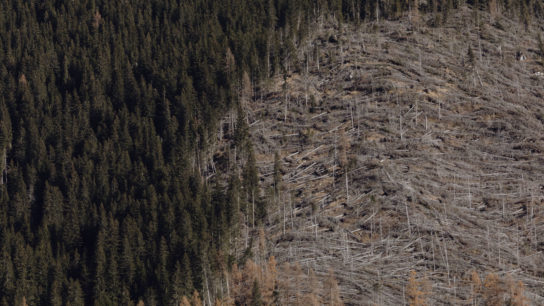



The Endangered Species Committee, comprised of six federal officials including the Interior Secretary, approved a Pentagon’s request for an exemption from the Endangered Species Act for all oil and gas exploration and development activities in the Gulf of Mexico after a 20-minute, closed-door meeting.
—
A panel comprised of Trump Administration officials on Tuesday approved an exemption from the Endangered Species Act for expanded oil and gas drilling in the Gulf of Mexico.
Last month, the Pentagon requested that Interior Secretary Doug Burgum convenes a meeting with the Endangered Species Committee to discuss an exemption from the Endangered Species Act for “all … oil and gas exploration and development activities” overseen by federal agencies in the Gulf of Mexico over “national security” concerns. Since its inception in 1973, the law, which requires federal agencies to ensure their actions do not jeopardize endangered species or destroy critical habitats, has prevented the extinction of 99% of listed species.
On Tuesday, the committee, also known as the “God squad” for its power to decide whether a species lives or dies, approved the request after a 20-minute, closed-door meeting.

Addressing the committee, Defense Secretary Pete Hegseth said that the Endangerment Species Act risked “halting or severely compromising oil and gas activity in the Gulf” that are needed to power the country and the military and that the request was a “matter of urgent national security.”
“Recent hostile action by the Iranian terror regime highlights yet again why robust domestic oil production is a national security imperative,” Hegseth said. But environmental groups say the administration is seeking an exemption to avoid interference to its fossil fuel expansion plans and warn that such an exemption could set a dangerous precedent for future fossil fuel projects.
The committee only met three times since Congress established it in 1978, the last time in 1992. It is led by the Interior Secretary and comprises five other federal officials: the Secretary of Agriculture, the Secretary of the Army, the Chairman of the Council of Economic Advisors, the Administrator of the Environmental Protection Agency, and the Administrator of the National Oceanic and Atmospheric Administration.
Species At Risk
It is the first time the committee, which has the extraordinary authority to exempt federal actions that may lead to a species’ extinction from the safeguards of the Endangered Species Act, has been convened over national security reasons, the Center for Biological Diversity said in a press release. The conservation group last month filed a lawsuit seeking to block the meeting, although a judge rejected their request on Friday.
The Gulf of Mexico is home to 20 threatened and endangered species, including sea turtles, sturgeon, manta rays, sharks, and Rice’s whales. The latters are only found in the Gulf and have just 51 individuals remaining after the population collapsed in the aftermath of the Deepwater Horizon spill.
“It’s grotesque for Pete Hegseth to use national security as a pretext for giving the oil industry a free pass to wipe out America’s most endangered whales,” said Brett Hartl, Government Affairs Director at the Center for Biological Diversity. “Hegseth is illegally perverting a narrow mechanism within the Endangered Species Act to target the Rice’s whale for extinction.”
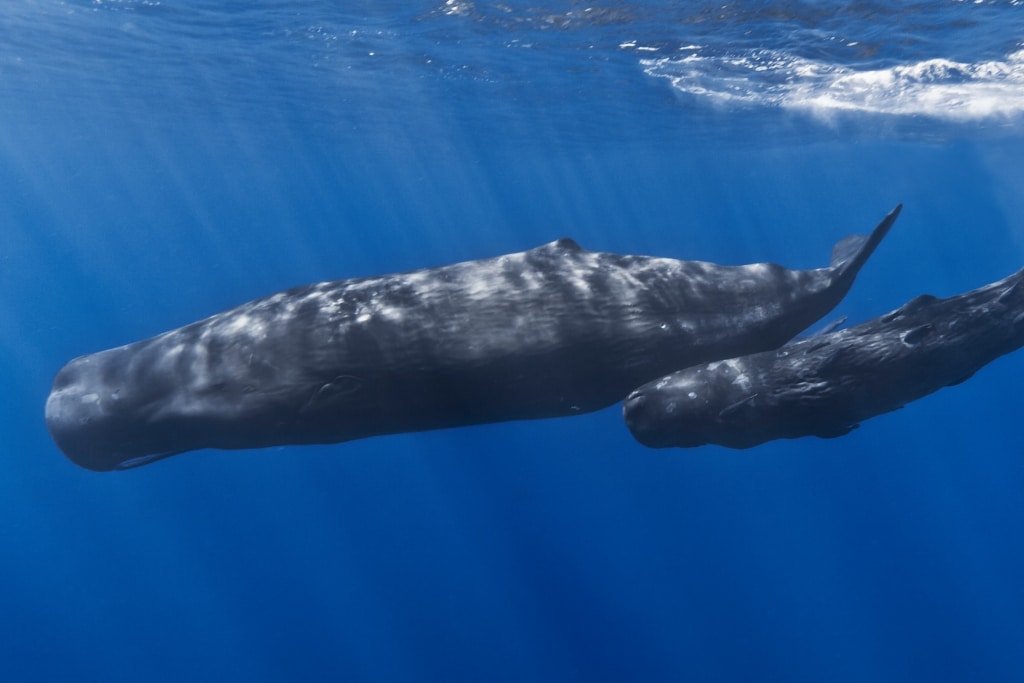
Dozens of environmentalists gathered in protest outside the Interior Department on Tuesday, chanting slogans and holding signs that read “Save the Endangered Species Act,” “Fraud Squad” and “Whales and turtles here to stay! Big Oil go away.”
“No Administration, Republican or Democrat, has ever sought such a sweeping exemption from the Endangered Species Act,” said Susan Holmes, Executive Director of the Endangered Species Coalition, which joined the protest. “This closed-door effort to weaken protections for whales, sea turtles, and the Gulf ecosystem is a direct threat to wildlife already struggling to survive. Decisions about endangered species must be guided by science, not politics or corporate pressure.”
Beth Lowell, Vice President of Oceana, an ocean conservation organization, said Tuesday’s vote “puts endangered species on an unnecessary fast track to extinction.”
“For more than 50 years, the Endangered Species Act has protected endangered and threatened wildlife by ensuring that the federal government reviews projects and provides measures to minimize the threat to species on the brink of extinction. Today’s action reverses this trend by putting profits over protections. It is not what the authors of this bedrock law intended,” said Lowell.
This story is funded by readers like you
Our non-profit newsroom provides climate coverage free of charge and advertising. Your one-off or monthly donations play a crucial role in supporting our operations, expanding our reach, and maintaining our editorial independence.
About EO | Mission Statement | Impact & Reach | Write for us