



The Interior Department is convening the Endangered Species Committee on Tuesday to negotiate an exemption from the Endangered Species Act for all oil and gas drilling activities in the Gulf of Mexico.
—
As the US-Israeli war on Iran continues to shake global energy markets, the Trump administration is citing national security concerns as it seeks to expand oil and gas drilling in the Gulf of Mexico.
The Interior Department is set to convene the Endangered Species Committee, also known as the Extinction Committee, on Tuesday to negotiate an exemption from the Endangered Species Act for expanded oil and gas drilling in the Gulf. The 1973 law requires federal agencies to ensure their actions do not jeopardize endangered species or destroy critical habitats.
According to a court filing from last Wednesday, the Pentagon requested that Interior Secretary Doug Burgum convenes a meeting with the committee to discuss an exemption for “all … oil and gas exploration and development activities” overseen by federal agencies in the Gulf of Mexico over “national security” concerns.
But environmental groups say the administration is seeking an exemption to avoid interference to its fossil fuel expansion plans and warn that such an exemption could set a dangerous precedent for future fossil fuel projects.

The court filing came in response to a lawsuit filed by the Center for Biological Diversity against Burgum earlier this month “to prevent him from convening” the committee’s meeting. A judge on Friday turned down the Center’s request, ruling that the meeting can go ahead.
“Burgum’s extinction committee is immoral, illegal and unnecessary,” said Kierán Suckling, Executive Director of the Center for Biological Diversity. “There’s no emergency, no legal basis to convene the committee, and no legal way to approve the extinction of Rice’s whales. This sham is nothing more than Burgum posturing for Trump and saving the fossil fuel industry a few dollars by allowing its boats to drive faster and more recklessly,” Suckling added.
In a court filing, Interior Department Senior Counselor Christopher Danley said that no exemption application or evidentiary hearing was required given the national security nature of the Pentagon’s request. It added that the meeting would be open to the public via livestream to “minimize” safety and security threats against government officials. The Center for Biological Diversity had previously requested that the meeting “be open to the public and not merely livestreamed,” citing a provision of the Act requiring that “[a]ll meetings and records of the Committee shall be open to the public.”
The exemption request came as the world experiences the largest supply disruption in the history of the global oil market, triggered by the US-Israel war on Iran. Iran has effectively blocked traffic in the Strait of Hormuz, one of the world’s busiest oil shipping channels and a critical global energy chokepoint.
Species At Risk
It is the first time the committee, which has the extraordinary authority to exempt federal actions that may lead to a species’ extinction from the safeguards of the Endangered Species Act, has been convened over national security reasons, the Center for Biological Diversity said in a press release.
It added that a number of species are already threatened by oil and gas activity in the Gulf, including sea turtles, sperm whales and the Rice’s whale. The latter is only found in the Gulf and has just 51 individuals remaining after the population collapsed in the aftermath of the Deepwater Horizon spill.
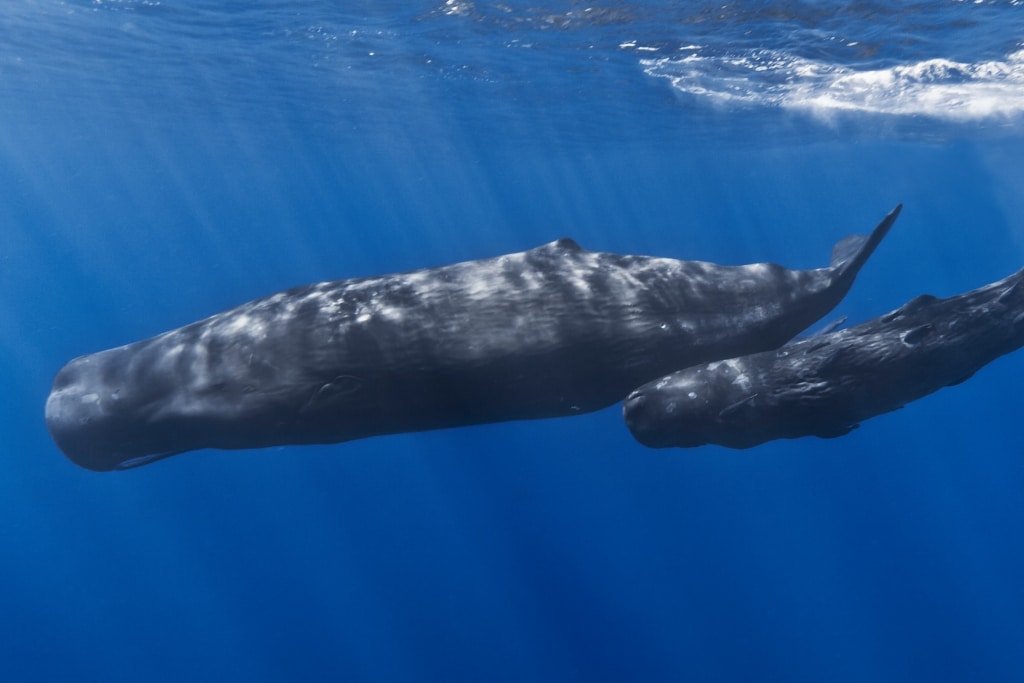
“It’s grotesque for Pete Hegseth to use national security as a pretext for giving the oil industry a free pass to wipe out America’s most endangered whales,” said Brett Hartl, Government Affairs Director at the Center. “Hegseth is illegally perverting a narrow mechanism within the Endangered Species Act to target the Rice’s whale for extinction.”
This story is funded by readers like you
Our non-profit newsroom provides climate coverage free of charge and advertising. Your one-off or monthly donations play a crucial role in supporting our operations, expanding our reach, and maintaining our editorial independence.
About EO | Mission Statement | Impact & Reach | Write for us