



The world is grappling with a host of pressing environmental challenges that demand immediate attention and action. From climate change-induced disasters, biodiversity loss and plastic pollution to the rise of artificial intelligence, the 16 biggest environmental problems of 2026 paint a stark picture of the urgent need for climate change mitigation and adaptation.
—
1. Global Warming From Fossil Fuels
Another year marked by record-breaking heatwaves and catastrophic extreme weather events has just concluded, with 2025 set to be among the three warmest on record. This wraps up more than a decade of unprecedented heat globally fuelled by human activities, with each of the past 11 years (2015-2025) being one of the ten warmest years on record. Currently, 2024 tops the ranking, followed by 2023.
Undoubtedly among the biggest environmental problems of our lifetime is the rise in greenhouse gas emissions, which trap heat the sun's heat in the atmosphere, raising Earth’s surface temperature and leading to longer and hotter heatwaves. Atmospheric concentrations of all three major planet-warming gases – carbon dioxide (CO2), methane, and nitrous oxide – have never been so high. Because of these gases’ extremely long durability in the atmosphere, the world is now committed to "more long-term temperature increase," Ko Barret, Deputy Secretary-General of the World Meteorological Organization, said last month.
“The heat trapped by CO2 and other greenhouse gases is turbo-charging our climate and leading to more extreme weather. Reducing emissions is therefore essential not just for our climate but also for our economic security and community well-being,” Barrett added.
Increased emissions of greenhouse gases have led to a rapid and steady increase in global temperatures, which in turn is causing catastrophic events all over the world – from Australia and the US experiencing some of the most devastating bushfire seasons ever recorded and locusts swarming decimating crops across parts of Africa, the Middle East and Asia to a heatwave in Antarctica that saw temperatures rise above 20C for the first time.
Scientists are constantly warning that the planet has crossed a series of tipping points that could have catastrophic consequences, such as advancing permafrost melt in Arctic regions, the Greenland ice sheet melting at an unprecedented rate, accelerating sixth mass extinction and increasing deforestation in the Amazon rainforest.
The climate crisis is causing tropical storms and other weather events such as tropical cyclones (better known as hurricanes and typhoons), heatwaves and flooding to be more intense and frequent than seen before.
Even if all greenhouse gas emissions were halted immediately, global temperatures would continue to rise in the coming years. That is why it is absolutely imperative that we start now to drastically reduce emissions, invest in renewable energy sources, and phase our fossil fuels as fast as possible.
You might also like: The Tipping Points of Climate Change: How Will Our World Change?
2. Politicization of the Climate Crisis
The undeniable reality of the climate crisis failed to prevent its politicization. Particularly in more recent years, what was once just a scientific issue has been turned into a partisan battleground where views often align with political ideology, fueled by misinformation campaigns, economic interests tied to fossil fuels, and differing views on government intervention, making consensus difficult and hindering action.
This has been particularly true in countries like the US, which under President Donald Trump has backpedaled tremendously on climate action. Since taking office in January 2025, Trump has implemented significant rollbacks of environmental policies and regulations, abandoned international organizations and climate treaties, dismantled climate research and sought to bring back destructive practices, from deep ocean mining and logging to fossil fuel production.

Dozens of companies, from social media platforms and energy companies to investment firms, airlines, big banks and even philanthropic organizations, have also backtracked on their environmental pledges to fall in line with the Trump administration’s anti-climate agenda.
The US's example reflects a broader change in the priority that governments around the world assign to climate change. The European Union is another good example of this, having recently backtracked on its climate agenda, which was once regarded as the world's most ambitious plan to tackle the climate crisis.
Globally, recent climate conferences have been criticized for failing to achieve anything meaningful as fossil fuel influence grows larger and more powerful. Last November's COP30 ended without a mention of fossil fuels, despite pressure from more than 80 countries to include a phase out plan in the final agreement. One in 25 attendees (some 1,600 people) represented the fossil fuel industry.
More on the topic: How the US Overturned Years of Climate Progress
3. Biodiversity Loss
The past 50 years have seen a rapid growth of human consumption, population, global trade and urbanisation, resulting in humanity using more of the Earth’s resources than it can replenish naturally.
A 2020 WWF report found that the population sizes of mammals, fish, birds, reptiles and amphibians have experienced a decline of an average of 68% between 1970 and 2016. The report attributes this biodiversity loss to a variety of factors but mainly land-use change, particularly the conversion of habitats, like forests, grasslands and mangroves, into agricultural systems. Animals such as pangolins, sharks and seahorses are significantly affected by the illegal wildlife trade, and pangolins are critically endangered because of it.
More broadly, a 2021 analysis has found that the sixth mass extinction of wildlife on Earth is accelerating. More than 500 species of land animals are on the brink of extinction and are likely to be lost within 20 years; the same number were lost over the whole of the last century. The scientists say that without the human destruction of nature, this rate of loss would have taken thousands of years.
In Antarctica, climate change-triggered melting of sea ice is taking a heavy toll on emperor penguins and could wipe out entire populations by as early as 2100, according to 2023 research.
Under the 2022 Kunming-Montreal Global Biodiversity Framework, countries have pledged to protect and conserve at least 30% of the world’s land and water by 2030 (also known as the “30 by 30” target). Global protection currently falls short of this goal, with only 9.6% of the ocean effectively protected.
And yet it is not all doom and gloom. Around the world, governments, civil society organizations and communities made meaningful strides to protect the natural world, preserving precious ecosystems, strengthening legislation and taking destructive industries to court.
Last year, Morocco became the 60th country to ratify the High Seas Treaty, meeting the ratification threshold for its entry into force. The treaty establishes a legal framework to create networks of marine protected (MPAs) areas in international waters – a critical step, given that protecting national waters alone will not be sufficient to meet the 30 by 30 goal. And last year, many countries including Australia and Argentina, Portugal, Colombia and São Tomé and Príncipe, French Polynesia, Spain and Pakistan took a step in the right direction.
On terra firma, governments also stepped up to expand protections. While 17.6% of land is protected globally, announcements made in 2025 suggest that momentum is building towards the 30 by 30 target. Colombia, for example, designated a first-of-its-kind territory to protect an uncontacted Indigenous group. Spanning over 1 million hectares, the new area prohibits all economic development and forced human contact, protecting both the Yuri-Passé people and the rich biodiversity who call it their home.
More on the topic: Beyond the Headlines: Defining Policy Wins for Nature in 2025
4. Plastic Pollution
In 1950, the world produced more than 2 million tons of plastic per year. By 2015, this annual production swelled to 419 million tons and exacerbating plastic waste in the environment.
Currently, roughly 14 million tons of plastic make their way into the oceans every year, harming wildlife habitats and the animals that live in them. Research found that if no action is taken, the plastic crisis will grow to 29 million metric tons per year by 2040. If we include microplastics into this, the cumulative amount of plastic in the ocean could reach 600 million tons by 2040.

Some 91% of all plastic that has ever been made is not recycled, making it only one of the biggest environmental problems of our lifetime. Considering that plastic takes 400 years to decompose, it will be many generations until it ceases to exist. There is no telling what the irreversible effects of plastic pollution will have on the environment in the long run.
To address the issue, the UN in 2022 initiated a process to create a legally binding international treaty aimed at curbing plastic pollution. It was supposed to culminate in a meeting in Busan, South Korea in November 2024, though negotiators walked away without a deal. A subsequent meeting in Geneva, Switzerland, in August 2025, also failed to produce a much needed treaty. It remains unclear when and how the negotiations will continue.

5. Deforestation
Every hour, forests the size of 300 football fields are cut down. By the year 2030, the planet might have only 10% of its forests; if deforestation is not stopped, they could all be gone in less than a century.
The three countries experiencing the highest levels of deforestation are Brazil, the Democratic Republic of Congo and Indonesia. The Amazon, the world's largest rainforest – spanning 6.9 million square kilometres (2.72 million square miles) and covering around 40% of the South American continent – is also one of the most biologically diverse ecosystems and is home to about three million species of plants and animals.
Despite efforts to protect forest land, legal deforestation is still rampant, and about one-third of global tropical deforestation occurs in Brazil’s Amazon forest, amounting to 1.5 million hectares each year.

Agriculture is the leading cause of deforestation, another one of the biggest environmental problems appearing on this list. Land is cleared to raise livestock or to plant other crops that are sold, such as sugar cane and palm oil. Besides for carbon sequestration, forests help to prevent soil erosion, because the tree roots bind the soil and prevent it from washing away, which also prevents landslides.
COP30, which took place in the heart of the Amazon, delivered little on forest protection. Although Brazil’s Environment Minister Marina Silva pushed for strong language, the final agreement failed to mention deforestation.
You might also like: 10 Deforestation Facts You Should Know About
6. Air Pollution
Among the biggest environmental problems today is also air pollution. According to the World Health Organization (WHO), an estimated 4.2 to 7 million people die from air pollution worldwide every year and nine out of ten people breathe air that contains high levels of pollutants. In Africa, 258,000 people died as a result of outdoor air pollution in 2017, up from 164,000 in 1990, according to UNICEF.
Causes of air pollution mostly comes from industrial sources and motor vehicles, as well as emissions from burning biomass and poor air quality due to dust storms.
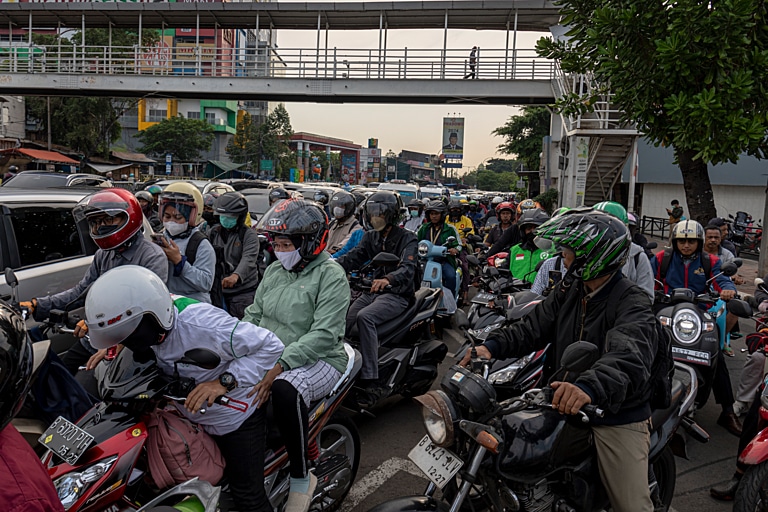
According to a 2023 study, air pollution in South Asia – one of the most polluted areas in the world – cuts life expectancy by about five years. The study blames a series of factors, including a lack of adequate infrastructure and funding for the high levels of pollution in some countries. Most countries in Asia and Africa, which together contribute about 92.7% of life years lost globally due to air pollution, lack key air quality standards needed to develop adequate policies. Moreover, just 6.8% and 3.7% of governments in the two continents, respectively, provide their citizens with fully open-air quality data.
Recent research linked nearly 280,000 deaths across the European Union in 2023 to exposure to air pollution concentrations exceeding levels deemed safe. Some 95% of Europeans are exposed to unsafe levels of air pollution, according to the European Environment Agency, which conducted the study. Meanwhile in the US, researchers found that air pollution from the oil and gas industries are attributable to 91,000 premature deaths, 10,350 preterm births and 216,000 childhood-onset asthma and 1,610 cancer cases every year in the country.
7. Food Waste
A third of the food intended for human consumption – around 1.3 billion tons – is wasted or lost. This is enough to feed 3 billion people. Food waste and loss account for approximately one-quarter of greenhouse gas emissions annually; if it was a country, food waste would be the third-largest emitter of greenhouse gases, behind China and the US.
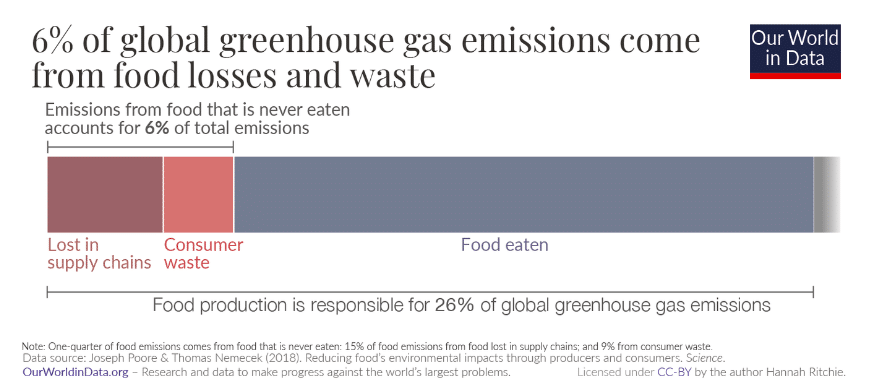
Food waste and loss occur at different stages in developing and developed countries; in developing countries, 40% of food waste occurs at the post-harvest and processing levels, while in developed countries, 40% of food waste occurs at the retail and consumer levels.
At the retail level, a shocking amount of food is wasted because of aesthetic reasons; in fact, in the US, more than 50% of all produce thrown away in the US is done so because it is deemed to be “too ugly” to be sold to consumers- this amounts to about 60 million tons of fruits and vegetables.
You might also like: How Does Food Waste Affect the Environment?
8. Melting Ice Caps and Sea Level Rise
The climate crisis is warming the Arctic more than twice as fast as anywhere else on the planet. Today, sea levels are rising more than twice as quickly as they did for most of the 20th century as a result of increasing temperatures on Earth.

Seas are now rising an average of 3.2 mm per year globally and they will continue to grow up to about 0.7 metres by the end of this century. In the Arctic, the Greenland Ice Sheet poses the greatest risk for sea levels because melting land ice is the main cause of rising sea levels.
Representing one the biggest of the environmental problems our planet faces today, this is made all the more concerning considering that temperatures during the 2020 summer triggered the loss of 60 billion tons of ice from Greenland, enough to raise global sea levels by 2.2 mm in just two months.
According to satellite data, the Greenland ice sheet lost a record amount of ice in 2019: an average of a million tons per minute throughout the year. If the entire Greenland ice sheet melts, sea level would rise by six metres.
Meanwhile, the Antarctic continent contributes about 1 millimeter per year to sea level rise, which is one-third of the annual global increase. According to 2023 data, the continent has lost approximately 7.5 trillion tons of ice since 1997. Additionally, the last fully intact ice shelf in Canada in the Arctic recently collapsed, having lost about 80 square kilometres – or 40% – of its area over a two-day period in late July, according to the Canadian Ice Service.
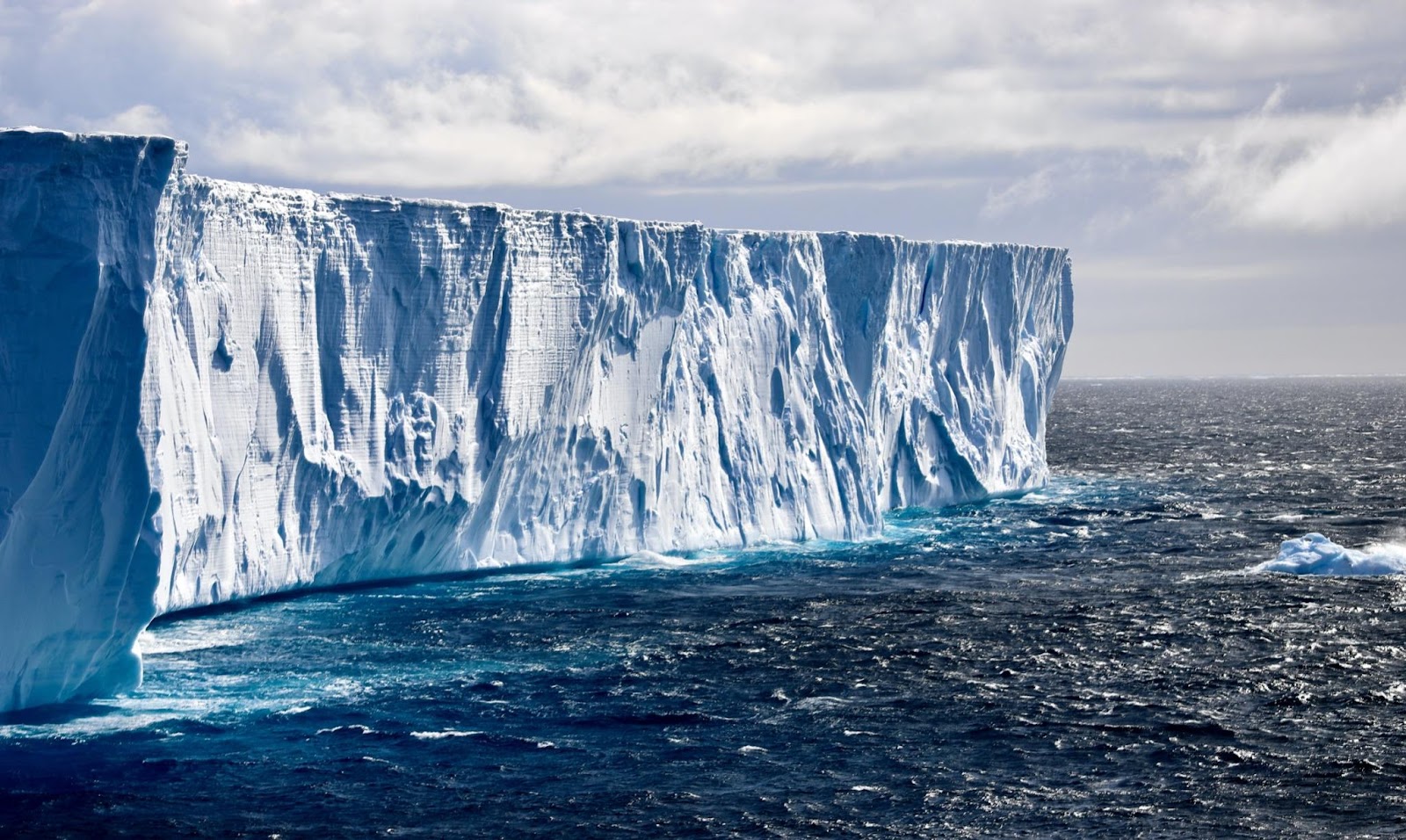
Sea level rise will have a devastating impact on those living in coastal regions: according to research and advocacy group Climate Central, sea level rise this century could flood coastal areas that are now home to 340 million to 480 million people, forcing them to migrate to safer areas and contributing to overpopulation and strain of resources in the areas they migrate to. Bangkok (Thailand), Ho Chi Minh City (Vietnam), Manila (Philippines), and Dubai (United Arab Emirates) are among the cities most at risk of sea level rise and flooding.
You might also like: Two-Thirds of World’s Glaciers Set to Disappear by 2100 Under Current Global Warming Scenario
9. Ocean Acidification
Global temperature rise has not only affected the surface but it is also the main cause of ocean acidification. Our oceans absorb about 30% of carbon dioxide that is released into the Earth’s atmosphere. As higher concentrations of carbon emissions are released thanks to human activities such as burning fossil fuels as well as effects of global climate change such as increased rates of wildfires, so do the amount of carbon dioxide that is absorbed back into the sea.
The smallest change in the acidity scale can have a significant impact on the acidity of the ocean. Ocean acidification has devastating impacts on marine ecosystems and species, its food webs, and provoke irreversible changes in habitat quality. Once acidity (pH) levels reach too low, marine organisms such as oysters, their shells and skeleton could even start to dissolve.
However, one of the biggest environmental problems from ocean acidification is coral bleaching and subsequent coral reef loss. This phenomenon occurs when rising ocean temperatures disrupt the symbiotic relationship between the reefs and algae that lives within it, driving away the algae and causing coral reefs to lose their natural vibrant colours. Some scientists have estimated coral reefs are at risk of being completely wiped by 2050. Higher acidity in the ocean would obstruct coral reef systems’ ability to rebuild their exoskeletons and recover from these coral bleaching events.
You might also like: Scientists Confirm Largest Coral Bleaching Event on Record Affecting Nearly 84% of World’s Reefs
10. Traditional Agriculture
Studies have shown that the global food system is responsible for up to one-third of all human-caused greenhouse gas emissions, of which 30% comes from livestock and fisheries. Crop production releases greenhouse gases such as nitrous oxide through the use of fertilizers.

60% of the world’s agricultural area is dedicated to cattle ranching, although it only makes up 24% of global meat consumption.
Agriculture not only covers a vast amount of land but it also consumes a vast amount of freshwater, another one of the biggest environmental problems on this list. Arable lands and grazing pastures cover one-third of Earth’s land surfaces and together, they consume three-quarters of the world’s limited freshwater resources.
Scientists and environmentalists have continuously warned that we need to rethink our current food system; switching to more sustainable farming methods and a more plant-based-oriented diet would dramatically reduce the carbon footprint of the conventional agriculture industry.
You might also like: Can We Feed the World Without Destroying It?
11. Soil Degradation
Organic matter is a crucial component of soil as it allows it to absorb carbon from the atmosphere. Plants absorb CO2 from the air naturally and effectively through photosynthesis and part of this carbon is stored in the soil as soil organic carbon (SOC). Healthy soil has a minimum of 3-6% organic matter. However, almost everywhere in the world, the content is much lower than that.
According to the United Nations, about 40% of the planet’s soil is degraded. Soil degradation refers to the loss of organic matter, changes in its structural condition and/or decline in soil fertility and it is often the result of human activities, such as traditional farming practices including the use of toxic chemicals and pollutants. If business as usual continued through 2050, experts project additional degradation of an area almost the size of South America. But there is more to it. If we do not change our reckless practices and step up to preserve soil health, food security for billions of people around the world will be irreversibly compromised, with an estimated 40% less food expected to be produced in 20 years’ time despite the world’s population projected to reach 9.3 billion people.
12. Food and Water Insecurity
Rising temperatures and unsustainable farming practices have resulted in increasing water and food insecurity.
Globally, more than 68 billion tonnes of top-soil is eroded every year at a rate 100 times faster than it can naturally be replenished. Laden with biocides and fertiliser, the soil ends up in waterways where it contaminates drinking water and protected areas downstream.
Furthermore, exposed and lifeless soil is more vulnerable to wind and water erosion due to lack of root and mycelium systems that hold it together. A key contributor to soil erosion is over-tilling: although it increases productivity in the short-term by mixing in surface nutrients (e.g. fertiliser), tilling is physically destructive to the soil’s structure and in the long-term leads to soil compaction, loss of fertility and surface crust formation that worsens topsoil erosion.
With the global population expected to reach 9 billion people by mid-century, the Food and Agriculture Organization of the United Nations (FAO) projects that global food demand may increase by 70% by 2050. Around the world, more than 820 million people do not get enough to eat.
As UN Secretary-General António Guterres remarked at a high-level virtual meeting in 2020, “Unless immediate action is taken, it is increasingly clear that there is an impending global food security emergency that could have long term impacts on hundreds of millions of adults and children.” Guterres urged for countries to rethink their food systems and encouraged more sustainable farming practices.
In terms of water security, only 3% of the world’s water is freshwater, and two-thirds of that is tucked away in frozen glaciers or otherwise unavailable for our use. As a result, some 1.1 billion people worldwide lack access to water, and a total of 2.7 billion find water scarce for at least one month of the year. By 2025, two-thirds of the world’s population may face water shortages.
You might also like: Why We Should Care About Global Food Security
13. Fast Fashion and Textile Waste
The fashion industry accounts for 10% of global carbon emissions, which makes it one of the biggest environmental problems of our time. Fashion alone produces more greenhouse gas emissions than both the aviation and shipping sectors combined, and nearly 20% of global wastewater, or around 93 billion cubic metres from textile dyeing, according to the UN Environment Programme.
What’s more, the world generates an estimated 92 million tonnes of textiles waste every year, a number that is expected to soar up to 134 million tonnes a year by 2030. Discarded clothing and textile waste, most of which is non-biodegradable, ends up in landfills, while microplastics from clothing materials such as polyester, nylon, polyamide, acrylic and other synthetic materials is leeched into soil and nearby water sources.
Monumental amounts of clothing textile are also dumped in developing countries, as seen in Chile’s Atacama Desert. Millions of tons of clothes arrive annually from Europe, Asia, and the Americas. In 2023, 46 million tons of discarded clothes were dumped and left to rotten there, according to Chilean customs statistics.

This rapidly growing issue is only exacerbated by the ever-expanding fast fashion business model, in which companies relies on cheap and speedy production of low quality clothing to meet the latest and newest trends. While the United Nations Fashion Industry Charter for Climate Action sees signatory fashion and textile companies commit to achieving net zero emission by 2050, a majority of businesses around the world have yet to address their roles in climate change.
You might also like: Fast Fashion and Its Environmental Impact
14. Artificial Intelligence
In the World Economic Forum's 2025 Global Risks report, climate change and risks related to artificial intelligence (AI) topped the chart for the top 10 global risks in the coming decade. The report also points to the interconnections of economic, geopolitical, societal risks with environmental and technological risks.
2025 has seen a tremendous growth of AI technologies around the world, which are benefiting climate fields from weather forecasting and conservation to disaster risk reduction. But the technology comes with serious environmental and ethical implications, fueling concerns about its largely unregulated growth.
The environmental impacts of AI stem from energy consumption in training the AI models, inference from daily use of AI tools, water usage to cool the data centres that power it, and hardware carbon footprint. OpenAI CEO Sam Altman recently revealed that just saying “please” and “thank you” to ChatGPT adds tens of millions in computing costs due to higher energy use.
Open AI reportedly consumed some 1,287 MWh of electricity to train its GPT-3 model – the equivalent to the energy needed to power over 120 US homes for a year. Due to the sheer volume of queries processed daily, inference accounts for over 60% of AI’s total carbon footprint.
A study on the water footprint of AI highlighted that depending on when and where AI is deployed, GPT-3 consumes a 500ml bottle of water for roughly 10-50 medium-length response. The same study also found that the water withdrawal from global usage of AI is projected to reach 4.2-6.6 billion cubic meters in 2027, exceeding the total annual water withdrawal from Denmark by 4-6 times.
Despite these impacts, there is still no standardized method to measure AI-related emissions due to the lack of transparency from providers, variability in the carbon intensity of local power grids, and the diversity of AI tools in use. So, while the allure of AI’s potential is undeniable, we must confront its negative impact head-on.
15. Overfishing
Over three billion people around the world rely on fish as their primary source of protein. About 12% of the world relies upon fisheries in some form or another, with 90% of these being small-scale fishermen – think a small crew in a boat, not a ship, using small nets or even rods and reels and lures not too different from the kind you probably use. Of the 18.9 million fishermen in the world, 90% of them fall under the latter category.
Most people consume approximately twice as much food as they did 50 years ago and there are four times as many people on Earth as there were at the close of the 1960s. This is one driver of the 30% of commercially fished waters being classified as being "overfished." This means that the stock of available fishing waters is being depleted faster than it can be replaced.
Overfishing comes with detrimental effects on the environment, including increased algae in the water, destruction of fishing communities, ocean littering as well as extremely high rates of biodiversity loss.
As part of the United Nations’ Sustainable Development Goal number 14 (SDG 14), the UN and FAO are working towards maintaining the proportion of fish stocks within biologically sustainable levels. This, however, requires much stricter regulations of the world’s oceans than the ones already in place.
In July 2022, the World Trade Organization banned fishing subsidies to reduce global overfishing in a historic deal. Indeed, subsidies for fuel, fishing gear, and building new vessels, only incentivise overfishing and represent thus a huge problem.
You might also like: 7 Solutions to Overfishing We Need Right Now
16. Cobalt Mining
Cobalt is quickly becoming the defining example of the mineral conundrum at the heart of the renewable energy transition. As a key component of battery materials that power electric vehicles (EVs), cobalt is facing a sustained surge in demand as decarbonisation efforts progress. The world’s largest cobalt supplier is the Democratic Republic of Congo (DRC), where it is estimated that up to a fifth of the production is produced through artisanal miners.
Cobalt mining, however, is associated with dangerous workers’ exploitation and other serious environmental and social issues. Southern regions of the DRC are not only home to cobalt and copper but also large amounts of uranium. In mining regions, scientists have made note of high radioactivity levels. In addition, mineral mining, similar to other industrial mining efforts, often produces pollution that leaches into neighbouring rivers and water sources. Dust from pulverised rock is known to cause breathing problems for local communities as well.
Featured image: Moniruzzaman Sazal / Climate Visuals Countdown, via Wikimedia Commons.
This article was originally published on September 14, 2020 and updated on January 9, 2026.
💡How can I contribute to a more sustainable planet?
- 🗳️ Vote for climate action: Exercise your democratic rights by supporting candidates and policies that prioritize climate change mitigation and environmental protection. Stay informed with Earth.Org's election coverage.
- 👣 Reduce your carbon footprint: Make conscious choices to reduce your carbon footprint. Opt for renewable energy sources, conserve energy at home, use public transportation or carpool, and embrace sustainable practices like recycling and composting.
- 💰 Support environmental organizations: Join forces with organizations like Earth.Org and its NGO partners, dedicated to educating the public on environmental issues and solutions, supporting conservation efforts, holding those responsible accountable, and advocating for effective environmental solutions. Your support can amplify their efforts and drive positive change.
- 🌱 Embrace sustainable habits: Make sustainable choices in your everyday life. Reduce single-use plastics, choose eco-friendly products, prioritize a plant-based diet and reduce meat consumption, and opt for sustainable fashion and transportation. Small changes can have a big impact.
- 💬 Be vocal, engage and educate others: Spread awareness about the climate crisis and the importance of environmental stewardship. Engage in conversations, share information, and inspire others to take action. Together, we can create a global movement for a sustainable future.
- 🪧 Stand with climate activists: Show your support for activists on the frontlines of climate action. Attend peaceful protests, rallies, and marches, or join online campaigns to raise awareness and demand policy changes. By amplifying their voices, you contribute to building a stronger movement for climate justice and a sustainable future.
For more actionable steps, visit our 'What Can I do?' page.
This story is funded by readers like you
Our non-profit newsroom provides climate coverage free of charge and advertising. Your one-off or monthly donations play a crucial role in supporting our operations, expanding our reach, and maintaining our editorial independence.
About EO | Mission Statement | Impact & Reach | Write for us